
It can be alarming when your dog suddenly starts limping on a front paw, especially if they were walking normally just moments before.
You may notice them holding the paw off the ground, taking shorter steps, or stopping to lick it repeatedly.
Although some paw injuries are minor, others can be surprisingly painful and require immediate veterinary care.
Table of Contents
Dog Suddenly Limping Front Paw: Why It Happens
A dog suddenly limping on a front paw may have a cut paw pad, a torn nail, a thorn or splinter, an insect sting, a sprain, or a more serious injury affecting the bones or joints.
Because dogs place a great deal of weight on their front legs, even a small injury can cause a noticeable limp.
Even if the injury is not immediately visible, persistent limping should not be ignored.
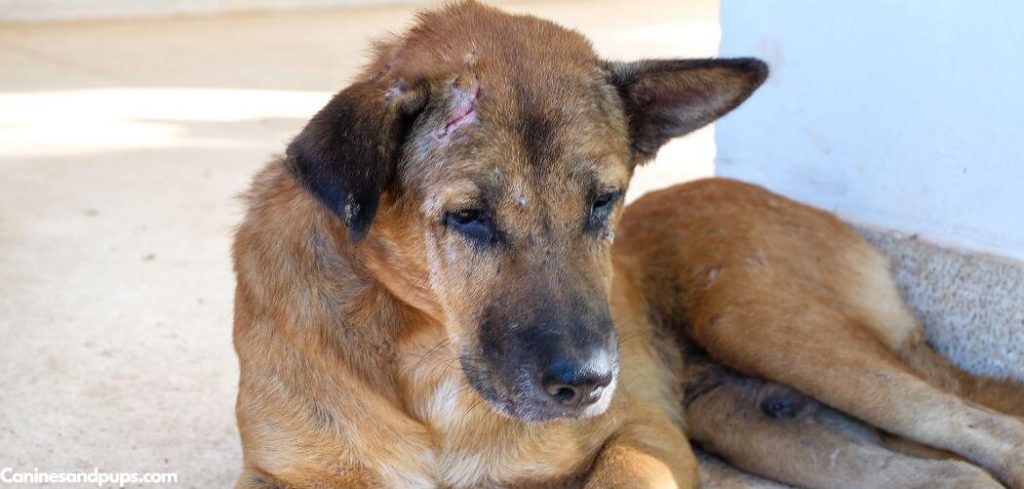
Depending on the cause, a dog may show several additional signs:
- Holding the front paw off the ground
Licking or chewing the paw
Swelling of the paw or toes
Bleeding from the paw or nail
Reluctance to walk
Sensitivity when the paw is touched
Difficulty climbing stairs or jumping
Dog Suddenly Limping Front Paw: Common Causes
Cut or Torn Paw Pad
One of the most common causes of sudden front paw limping is a cut or torn paw pad. Sharp rocks, broken glass, metal, ice, or rough surfaces can damage the thick skin on the bottom of the paw.
Dogs may leave bloody footprints, repeatedly lick the paw, or refuse to put weight on it if the injury is painful.
Read more: Dog Suddenly Limping Front Leg (Causes and treatment)
Torn or Broken Toenail
A broken nail can be extremely painful because the sensitive tissue inside the nail is exposed.
Affected dogs often limp suddenly, lick the foot constantly, and may have visible bleeding around the nail.
Torn nails usually require veterinary treatment if they are split deeply or continue bleeding.
Thorn, Splinter, or Foreign Object
Grass awns, thorns, splinters, burrs, or tiny pieces of glass can become lodged between the paw pads or toes.
Dogs typically begin limping immediately and may stop frequently during walks to lick or chew the affected paw. If left untreated, these foreign objects can cause infection.
Insect Sting or Bite
A bee sting, wasp sting, ant bite, or spider bite can cause sudden pain and swelling in the paw.
Most dogs improve within a short time, but severe allergic reactions can lead to facial swelling, difficulty breathing, vomiting, or collapse and require emergency veterinary care.
Paw Pad Burn
Hot pavement in summer or icy surfaces treated with road salt during winter can injure the paw pads.
Burned paw pads often appear red, cracked, blistered, or raw. Dogs may limp immediately after walking on the affected surface.
Read more: Dog excessively licking paw and limping (Here’s why)
Toe Sprain or Soft Tissue Injury
Twisting the paw while running, jumping, or stepping into a hole can stretch or strain the ligaments and tendons around the toes or wrist.
The paw may appear only mildly swollen, but your dog may still limp significantly due to pain.
Fracture or Dislocated Toe
A fall, collision, or heavy object landing on the paw can fracture a toe or cause a joint dislocation.
Dogs usually refuse to bear weight and may show obvious swelling or pain when the toes are touched. Veterinary X-rays are often needed to confirm the diagnosis.
Interdigital Cyst or Infection
An infection or inflamed lump between the toes can suddenly become painful enough to cause limping.
Owners may notice redness, swelling, drainage, or a raised bump between the paw pads. These conditions often require veterinary treatment to prevent worsening infection.
Read more: Old Dog Limping (Signs, causes and treatment)
Dog Suddenly Limping Front Paw: What to Do
If your dog suddenly begins limping on a front paw, gently examine the paw in a well-lit area.
Check the paw pads, between the toes, and around the nails for cuts, bleeding, swelling, grass awns, thorns, burrs, or other foreign objects.
If you find a small superficial object that is easy to remove safely, gently clean the area with warm water afterward.
Do not dig into the paw or attempt to remove deeply embedded objects, as this may cause additional injury or push the object farther into the tissue.
Restrict your dog’s activity until the cause of the limp is identified. Avoid long walks, running, jumping, or rough play that could worsen the injury.
If the paw pad is cut or bleeding, apply gentle pressure with a clean cloth to help control bleeding while arranging veterinary care if needed. Keep the paw as clean and dry as possible.
Observe whether your dog can bear any weight on the paw and whether swelling increases over the next several hours.
Taking a photo or short video of the limp can be helpful during your veterinary appointment.
Never give human pain medications such as ibuprofen, naproxen, or acetaminophen. These medications are unsafe for dogs unless specifically prescribed by a veterinarian.
When to Call or Visit the Vet
Many paw injuries improve with appropriate care, but persistent limping or severe pain should always be evaluated.
Schedule an appointment if you notice:
Limping lasting longer than 24 hours
Mild swelling of the paw or toes
Persistent licking or chewing of the paw
A cracked or partially broken nail
Redness between the toes
A small lump between the paw pads
Mild bleeding that has stopped
Recurring paw limping
Seek emergency veterinary attention immediately if your dog develops:
Complete inability to bear weight
Heavy or uncontrolled bleeding
A severely torn nail with continuous bleeding
An obvious deformity of the paw or toes
Severe swelling after a sting or bite
Difficulty breathing or facial swelling
Signs of severe pain
A deep cut exposing underlying tissue
Dog Suddenly Limping Front Paw: Treatment
Treatment for sudden front-paw limping starts with a careful veterinary examination of the paw pads, nails, spaces between the toes, and the rest of the limb.
If the examination does not identify the problem, X-rays or other diagnostic tests may be recommended.
Treatment may include veterinary-prescribed pain relief, anti-inflammatory medication, wound treatment, removal of a foreign object, antibiotics when an infection is diagnosed, or supportive treatment for an orthopedic injury.
Recovery and Monitoring
Recovery varies depending on the cause of the limp. Minor cuts, splinters, or insect stings often improve within a few days, while fractures or surgical repairs may require several weeks of healing.
Follow your veterinarian’s instructions regarding bandage care, medications, activity restriction, and follow-up visits.
Keeping the paw clean and preventing your dog from licking the injury are important parts of recovery.
Monitor the paw daily for swelling, redness, discharge, or worsening pain. Contact your veterinarian if your dog’s limp becomes more severe or fails to improve as expected.
Once healing is complete, gradually return your dog to normal exercise while avoiding rough terrain until the paw is fully recovered.
Key Takeaway
A dog suddenly limping on a front paw is most commonly experiencing pain caused by a cut paw pad, torn nail, splinter, insect sting, paw pad burn, sprain, fracture, or infection between the toes.
Even small injuries can cause a noticeable limp because the paws support so much of your dog’s body weight.
Carefully examining the paw at home can sometimes identify the problem, but persistent limping, swelling, heavy bleeding, or refusal to bear weight should always be evaluated by a veterinarian.
If your dog’s front paw limp lasts longer than 24 hours, worsens, or is accompanied by severe pain or signs of infection, seek veterinary care promptly.
Early treatment helps prevent complications and gives your dog the best chance for a quick and comfortable recovery.


