
Observing a dog suddenly develop lameness in a front leg without an apparent injury can understandably be concerning.
One moment they’re walking normally, and the next they’re favoring a front paw or refusing to put weight on the leg.
Even if you didn’t witness a fall or accident, sudden limping often means something is causing pain or discomfort.
Table of Contents
Dog Suddenly Limping Front Leg with No Injury: Here's Why
A dog suddenly limping on a front leg with no injury may have a hidden paw injury, muscle strain, arthritis, elbow disease, shoulder injury, or even a neurological condition.
Some dogs also develop limping from problems that progress gradually but only become noticeable once the pain reaches a certain point.
Because dogs are good at hiding discomfort, it’s important not to assume the limp will simply go away on its own.
Even when no accident has been witnessed, orthopedic or neurological conditions can cause an abrupt change in your dog’s gait.
While some causes are mild and temporary, others require immediate veterinary diagnosis and treatment.
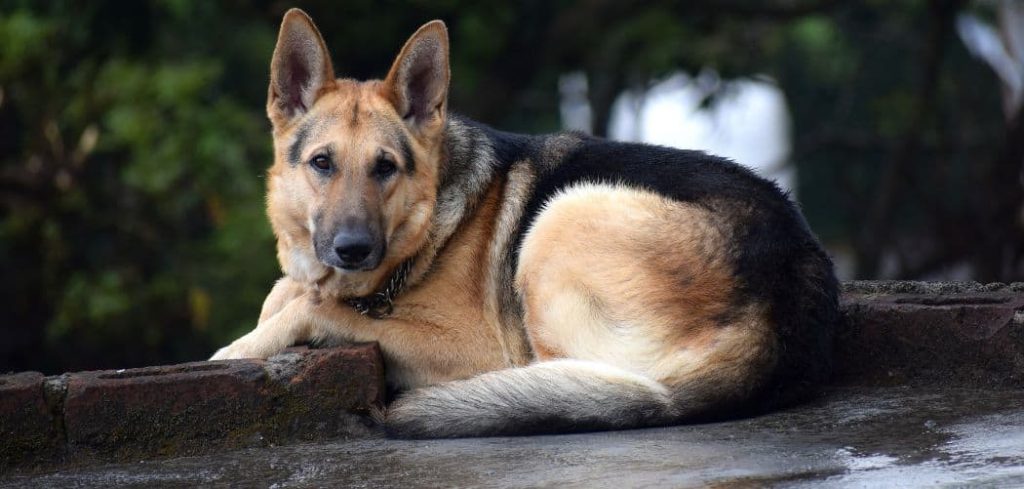
A dog may show one or more of the following symptoms depending on the underlying cause:
Limping on one front leg
Refusing to bear weight on the affected limb
Licking the paw or leg
Swelling around the paw, wrist, elbow, or shoulder
Stiffness after resting
Difficulty standing or lying down
Reluctance to run or jump
Normal appetite and energy in many cases
Dog Suddenly Limping Front Leg No Injury: Common Causes
Hidden Paw Injury
The most common cause of sudden front leg limping without a known injury is a problem affecting the paw. Small cuts, torn paw pads, broken nails, thorns, splinters, grass awns, or tiny pieces of glass can be surprisingly painful.
Many dogs repeatedly lick the affected paw or limp more noticeably on rough surfaces.
Read more: Dog Suddenly Limping Front Leg (Causes and treatment)
Muscle or Tendon Strain
Dogs can strain muscles or tendons while running, playing, jumping, or slipping without owners noticing the exact moment it happened.
The limp often appears after exercise and may improve slightly with rest before returning when the dog becomes active again.
Shoulder Sprain or Soft Tissue Injury
The shoulder joint relies on several muscles, tendons, and ligaments for stability. Overstretching these tissues during vigorous activity can lead to sudden limping.
Dogs may avoid extending the affected leg and show discomfort when turning or climbing stairs.
Elbow Dysplasia
Elbow dysplasia is a developmental joint disorder commonly seen in large and giant breeds. Although it develops gradually, owners often first notice it as a sudden limp after exercise.
Other signs include stiffness after resting, reduced willingness to play, and gradual muscle loss in the affected leg.
Arthritis Flare-Up
Dogs with arthritis may suddenly begin limping when joint inflammation worsens because of cold weather, increased activity, or aging.
Although arthritis develops slowly, flare-ups can occur unexpectedly and may make the limp appear to develop overnight.
Read more: Dog excessively licking paw and limping (Here’s why)
Osteochondritis Dissecans (OCD)
Osteochondritis dissecans is a developmental joint condition that commonly affects the shoulder of young, rapidly growing large-breed dogs.
Affected dogs often develop front leg lameness that worsens after exercise but improves temporarily with rest.
Tick-Borne Disease or Joint Infection
Certain infections can cause sudden limping without visible injury. Tick-borne illnesses and bacterial joint infections may produce inflammation within one or more joints.
Dogs may also develop fever, lethargy, swollen joints, decreased appetite, or shifting leg lameness.
Neurological Disorders
Problems affecting the nerves or spinal cord can sometimes mimic orthopedic limping. Weakness, reduced coordination, or nerve pain may cause your dog to favor one front leg.
You may notice knuckling of the paw, dragging the toes, stumbling, or reduced awareness of foot placement.
Read more: Dog limping on front leg intermittently (Here’s why)
Dog Suddenly Limping Front Leg No Injury: What to Do
If your dog suddenly starts limping, immediately restrict their activity. Avoid running, jumping, rough play, and long walks until the cause has been identified.
Carefully inspect the affected paw for cuts, broken nails, swelling, grass awns, thorns, or foreign objects lodged between the toes.
If your dog allows it, gently compare both front legs for swelling or visible differences, but avoid forcing any joints to move.
Observe whether your dog places any weight on the leg and whether the limp improves after resting or worsens with exercise.
Recording a short video of your dog’s gait before visiting your veterinarian can be extremely helpful.
Provide a comfortable place for your dog to rest with non-slip flooring to reduce the risk of further injury. Use a leash for bathroom breaks to prevent sudden bursts of activity.
Do not give human pain relievers such as ibuprofen, naproxen, or acetaminophen, as these medications can be toxic to dogs.
When to Call or Visit the Vet
Even if there is no obvious injury, persistent limping deserves veterinary attention.
Schedule an appointment if you notice:
Limping lasting longer than 24 hours
Mild swelling around the leg or paw
Licking the affected limb
Stiffness after resting
Difficulty climbing stairs
Recurring episodes of limping
Reduced activity level
Limping that worsens after exercise
Seek emergency veterinary attention immediately if your dog develops:
Complete inability to bear weight
Obvious deformity of the leg
Heavy bleeding
Severe swelling
Collapse or inability to stand
Severe pain
Loss of feeling in the limb
Difficulty breathing or other signs of severe illness
Dog Suddenly Limping Front Leg with No Injury: Treatment
Veterinary treatment for sudden front-leg limping without an obvious injury begins with an examination of the paw, nails, wrist, elbow, shoulder, muscles, and nerves.
The veterinarian may recommend X-rays or other imaging to identify an underlying orthopedic problem that cannot be seen externally.
Treatment may include prescription pain or anti-inflammatory medication, restricted activity, physical rehabilitation, or other condition-specific treatment. Significant or persistent lameness may require further diagnostic testing or specialist evaluation.
Recovery and Monitoring
Recovery depends on what caused your dog’s front leg limp. Minor muscle strains and paw injuries often improve within several days with restricted activity, while joint surgery or orthopedic conditions may require weeks to months of rehabilitation.
Follow your veterinarian’s recommendations regarding exercise restriction, medications, rehabilitation exercises, and follow-up visits.
Returning to full activity too soon may delay healing or increase the risk of reinjury.
Monitor your dog’s willingness to bear weight, swelling, activity level, and comfort throughout recovery.
If the limp worsens, spreads to another limb, or new symptoms develop, contact your veterinarian promptly.
Maintaining a healthy body weight and providing regular, low-impact exercise can also help support long-term joint health.
Key Takeaway
A dog suddenly limping on a front leg with no injury may have a hidden paw injury, muscle strain, shoulder sprain, elbow dysplasia, arthritis flare-up, osteochondritis dissecans, infection, or neurological disorder.
Even without an obvious accident, these conditions can cause sudden pain and changes in your dog’s gait.
Because dogs often hide discomfort, persistent limping should never be dismissed simply because there is no visible injury.
Early veterinary evaluation can identify the underlying cause and help prevent the condition from becoming more serious.
If your dog’s limp lasts longer than 24 hours, they refuse to bear weight, or the limping is accompanied by swelling, severe pain, or weakness, contact your veterinarian immediately. Early diagnosis and treatment offer the best chance for a full and comfortable recovery.


