
Seeing your dog suddenly start limping while constantly licking one paw can be worrying.
Although the behavior may seem minor at first, persistent licking is often a dog’s way of trying to soothe pain, irritation, or an injury.
In many cases, the problem is located in the paw itself, but pain higher up the leg can also cause dogs to focus their attention on the foot.
Table of Contents
Dog Suddenly Limping and Licking Paw: Why It Happens
A dog suddenly limping and licking a paw may have a cut paw pad, a torn nail, a foreign object lodged between the toes, an insect sting, an interdigital cyst, or a sprain.
Less commonly, limping and paw licking can be caused by fractures, joint injuries, or neurological conditions.
Licking is a natural response that helps dogs try to relieve discomfort, but excessive licking can make inflammation worse and increase the risk of infection.
While some paw injuries are relatively minor, persistent limping and licking often indicate a problem that requires veterinary attention.
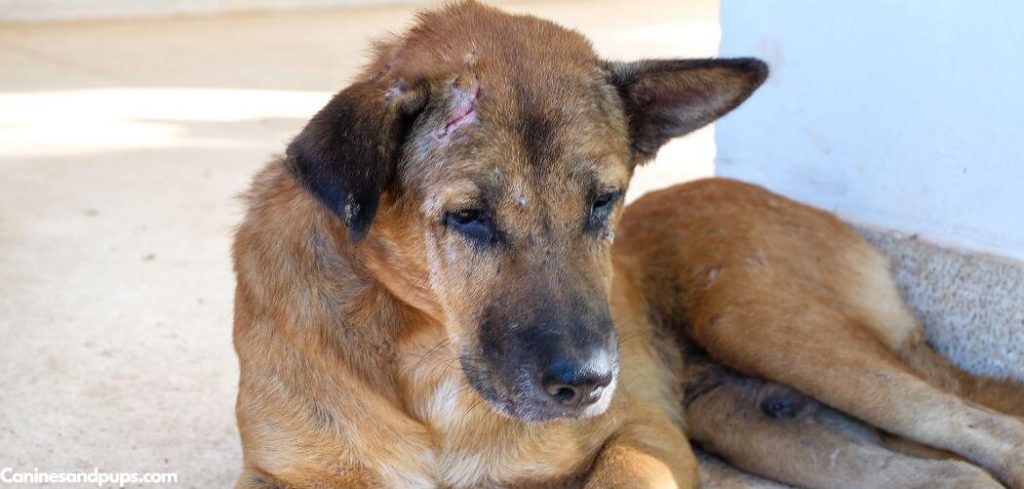
Depending on the underlying cause, a dog may develop additional signs besides limping and licking:
Limping on one leg
Constant licking or chewing of one paw
Holding the paw off the ground
Swelling of the paw or toes
Redness between the paw pads
Bleeding from a paw pad or toenail
Sensitivity when the paw is touched
Reluctance to walk or play
Dog Suddenly Limping and Licking Paw: Common Causes
Cut or Torn Paw Pad
A cut or torn paw pad is one of the most common reasons a dog suddenly begins limping and repeatedly licking a paw.
Paw pads are designed to withstand rough terrain, but they can still be injured by broken glass, sharp rocks, metal, shells, sticks, or rough pavement.
Because the paw bears your dog’s weight with every step, even a small cut can cause significant discomfort.
Dogs often stop during a walk, begin licking the injured paw immediately, or leave small spots of blood on the ground.
Some dogs continue to walk but avoid placing full weight on the affected foot. Minor superficial cuts may heal with proper cleaning and rest, but deeper wounds can become infected or require stitches.
If the cut continues bleeding, exposes deeper tissue, or your dog refuses to use the paw, veterinary care is recommended.
Read more: Dog Suddenly Limping Front Leg (Causes and treatment)
Torn or Broken Toenail
A torn toenail is another frequent cause of sudden limping and persistent paw licking.
Dogs can snag a nail on carpet, fencing, roots, furniture, or uneven ground while running or playing. Because the inner portion of the nail contains nerves and blood vessels, a cracked or partially torn nail is often much more painful than it appears.
You may notice your dog suddenly yelp, limp, and immediately begin licking the foot. In some cases, the nail may bleed or appear split, loose, or hanging awkwardly.
While small nail chips sometimes heal without treatment, deeper nail injuries usually require a veterinary visit to trim away damaged tissue, stop bleeding, manage pain, and reduce the risk of infection.
Foreign Object Between the Toes
Small foreign objects such as grass awns, splinters, burrs, cactus spines, tiny stones, or thorns frequently become trapped between the toes or penetrate the skin of the paw.
Even tiny objects can cause considerable pain because they press deeper into the tissues every time the dog walks.
Dogs often stop repeatedly to lick or chew the paw and may limp more noticeably on hard surfaces.
If left untreated, the surrounding tissue can become swollen, infected, and painful. Grass awns are particularly concerning because they can migrate deeper into the foot over time.
If you cannot easily see or safely remove the object, your veterinarian should examine the paw.
Insect Sting or Bite
Stepping on a bee, wasp, fire ant, or other stinging insect can cause a dog to suddenly lift a paw, limp, and lick the affected area.
The pain is often immediate, and mild swelling usually develops within a short time.
Most dogs recover within a few hours as the discomfort subsides, but some experience more significant swelling or an allergic reaction.
Facial swelling, hives, vomiting, weakness, difficulty breathing, or collapse require emergency veterinary treatment. Even if the reaction appears mild, continued limping beyond a day should be evaluated.
Interdigital Cyst or Paw Infection
Interdigital cysts are painful, inflamed swellings that develop between the toes. They may be caused by ingrown hairs, allergies, chronic irritation, bacterial infections, or small foreign bodies trapped beneath the skin.
Dogs with interdigital cysts often lick the affected paw constantly and may suddenly begin limping as the swelling enlarges.
You may notice a red bump, drainage, swelling, or an unpleasant odor between the toes. Veterinary treatment often includes antibiotics, anti-inflammatory medication, medicated foot soaks, or treatment of the underlying allergy or irritation to prevent recurrence.
Paw Pad Burn
Hot pavement during summer or icy sidewalks treated with road salt in winter can damage the sensitive skin of the paw pads.
Burns may not always be obvious immediately but often become increasingly painful over several hours.
Dogs frequently lick burned paws because of the irritation and may refuse to continue walking.
The pads can appear red, cracked, blistered, or peel in severe cases.
Mild burns may heal with rest and supportive care, while deeper burns require veterinary treatment to prevent infection and promote proper healing.
Sprain or Soft Tissue Injury
Dogs can sprain the ligaments, tendons, or muscles of the paw or lower leg after running, jumping, slipping, or landing awkwardly.
Unlike fractures, these injuries often produce little visible swelling but can still be painful enough to cause limping and persistent licking.
Some dogs improve after a day or two of rest, while others continue limping because the injury is more severe than it first appears.
If limping persists beyond 24 hours or worsens, veterinary evaluation is important to rule out ligament injuries or joint damage.
Fracture or Joint Injury
Although less common, fractures involving the toes, paw, or lower leg can occur after trauma such as falls, collisions, or heavy objects landing on the foot.
Dogs with fractures often refuse to bear weight, but some continue walking with a significant limp while repeatedly licking the painful area.
Swelling, bruising, abnormal positioning of the toes, or obvious pain may also be present.
X-rays are usually needed to confirm the diagnosis, and treatment varies from splinting and strict rest to surgery, depending on the severity of the injury.
Read more: Old Dog Limping (Signs, causes and treatment)
Dog Suddenly Limping and Licking Paw: What to Do
If your dog suddenly starts limping and licking a paw, gently examine the foot in a well-lit area.
Look carefully at the paw pads, between the toes, around the nails, and on the top of the paw for cuts, swelling, thorns, grass awns, splinters, broken nails, or other foreign objects.
If you find a small superficial object that can be removed easily, gently clean the area afterward with clean water.
Do not dig into the paw or attempt to remove deeply embedded objects, as this can worsen the injury or push the object farther into the tissue.
Restrict your dog’s activity until you know what is causing the limp. Avoid long walks, running, jumping, or rough play, and provide a comfortable place to rest.
If the paw is bleeding, apply gentle pressure with a clean cloth while arranging veterinary care if needed.
Monitor whether your dog can bear weight on the affected leg and whether swelling or redness increases.
A short video of your dog’s gait can also help your veterinarian evaluate the problem.
Never give human pain medications, including ibuprofen, naproxen, or acetaminophen, as these medications can be harmful to dogs.
When to Call or Visit the Vet
Persistent limping and paw licking usually indicate a painful condition that deserves veterinary evaluation.
Schedule an appointment if you notice:
Limping lasting longer than 24 hours
Persistent licking or chewing of the paw
Mild swelling of the paw or toes
Redness between the toes
A cracked or partially broken nail
A lump between the paw pads
Mild bleeding that has stopped
Recurring episodes of paw limping
Seek emergency veterinary attention immediately if your dog develops:
Complete inability to bear weight
Heavy or uncontrolled bleeding
Severe swelling after an insect sting
Difficulty breathing or facial swelling
An obvious deformity of the paw or leg
A deep cut exposing tissue
Severe pain or continuous crying
Collapse or severe weakness
Dog Suddenly Limping and Licking Paw: Treatment
Veterinary treatment begins with a careful examination of the paw, including the pads, nails, and spaces between the toes, followed by an assessment of the affected limb.
X-rays or other tests may be recommended if the veterinarian suspects deeper injury or joint involvement.
Treatment may include veterinary-prescribed pain relief, anti-inflammatory medication, wound treatment, antibiotics when an infection is confirmed, or removal of a foreign object when necessary.
More significant injuries may require bandaging, immobilization, or surgery.
Recovery and Monitoring
Recovery depends on the underlying cause. Minor cuts, splinters, or insect stings often improve within a few days, while fractures, ligament injuries, or severe infections may require several weeks of treatment and restricted activity.
Follow your veterinarian’s recommendations regarding wound care, medications, bandage changes, and exercise restriction.
Prevent excessive licking by using an Elizabethan collar or another protective device if recommended, as constant licking can delay healing and increase the risk of infection.
Monitor the paw daily for redness, swelling, discharge, or worsening pain.
Contact your veterinarian if the limp becomes more severe, the wound fails to heal, or your dog develops new symptoms.
Key Takeaway
A dog suddenly limping and licking a paw is usually trying to relieve pain caused by a problem affecting the foot.
Common causes include cuts, torn nails, foreign objects, insect stings, interdigital cysts, burns, sprains, and fractures. Although some injuries are minor, persistent limping and constant licking should never be ignored.
Carefully examining your dog’s paw at home may reveal the cause, but if the limping continues, worsens, or is accompanied by swelling, bleeding, or refusal to bear weight, immediate veterinary care is the safest course of action.
With early diagnosis and appropriate treatment, most dogs recover well and can return to their normal activities comfortably.


