
It can be worrying when a dog suddenly starts salivating excessively, refuses food, and begins shaking.
Seeing several symptoms at the same time can make it difficult to know whether a dog is experiencing a temporary problem or something that needs immediate veterinary attention.
We explain what excessive salivation, loss of appetite, and shaking may indicate, and when a dog needs immediate veterinary care.
Table of Contents
Dog Salivating, Not Eating and Shaking: Here's Why
A dog may salivate, stop eating, and shake because of nausea, pain, anxiety, mouth problems, gastrointestinal discomfort, medication effects, toxin exposure, or another underlying illness.
Excessive saliva can occur when a dog feels nauseated or has difficulty swallowing, while shaking may accompany pain, fear, weakness, or feeling unwell.
The combination is more concerning when the symptoms are sudden, persistent, or accompanied by vomiting, weakness, unusual behavior, breathing changes, or other signs of illness.
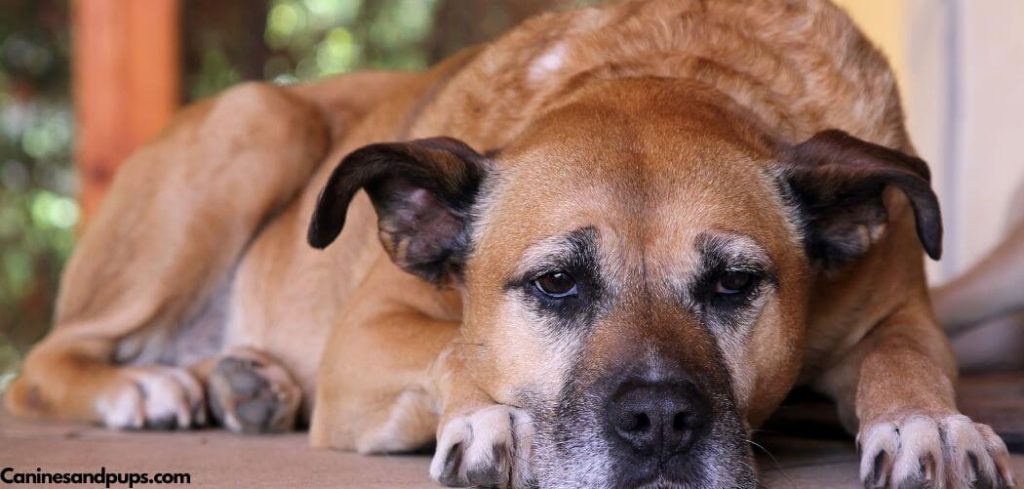
Dog Salivating, Not Eating, and Shaking: Common Causes
Pain
Pain can cause trembling, drooling, and loss of appetite. Dental pain, abdominal discomfort, injuries, joint problems, and other painful conditions can make a dog unwilling to eat.
A painful dog may pace, whine, hide, resist being touched, or repeatedly change position.
The severity of pain can vary considerably, so shaking should not be assumed to be caused by anxiety without considering physical discomfort.
Nausea
Nausea is a common reason a dog may drool, lose interest in food, and shake. Dogs can produce more saliva when they feel sick, and nausea may make eating unappealing.
Lip licking, repeated swallowing, restlessness, vomiting, diarrhea, or eating grass may also occur.
A mild digestive upset may resolve, but persistent symptoms can indicate a more significant gastrointestinal problem and should be assessed by a veterinarian.
Read more: Dog excessively drooling suddenly (Here’s why)
Dental or Mouth Problems
Problems affecting the teeth, gums, tongue, or other parts of the mouth can cause excessive salivation and refusal to eat. A dog may want food but avoid eating because chewing hurts.
Bad breath, inflamed gums, pawing at the mouth, dropping food, or chewing differently can provide additional clues.
Shaking is not specific to dental disease, but significant oral discomfort can make a dog generally distressed. A veterinary examination can identify problems that may not be visible during a brief home inspection.
Anxiety or Fear
Fear and anxiety can cause trembling and increased salivation. A frightened dog may also refuse food temporarily, particularly during a stressful event.
Panting, pacing, hiding, whining, or seeking reassurance may accompany the symptoms.
If the signs occur around a recognizable trigger and resolve once the dog feels safe, stress may be contributing. New or persistent symptoms should still be evaluated for medical causes.
Gastrointestinal Disease
Inflammation or other problems affecting the stomach and intestines can produce nausea, drooling, appetite loss, and shaking. Vomiting, diarrhea, abdominal discomfort, or changes in bowel movements may also occur.
Some gastrointestinal conditions are mild, while others can become serious.
If your dog continues refusing food or develops repeated vomiting, significant abdominal pain, or weakness, veterinary assessment is important.
Read more: Dog Salivating and Not Eating (Causes and what to do)
Medication Effects
Certain medications can cause nausea, appetite changes, increased salivation, or other side effects. A dog may also shake if they feel uncomfortable after receiving a medication.
If the symptoms began after a medication was started, stopped, or changed, tell your veterinarian what your dog received and when.
Do not change or discontinue prescribed medication without veterinary guidance.
Toxin Exposure
Some harmful substances can cause drooling, shaking, appetite loss, vomiting, weakness, or abnormal behavior. The signs can vary depending on what was encountered.
If there is any possibility that your dog has swallowed or contacted a potentially toxic substance, contact a veterinarian promptly.
Do not induce vomiting unless a veterinarian specifically tells you to do so, because it may be inappropriate for some substances.
Neurological or Other Medical Conditions
Less commonly, shaking combined with drooling and appetite loss can occur with neurological disease or another systemic illness. Additional signs may include weakness, changes in coordination, abnormal behavior, difficulty standing, or altered awareness.
These symptoms require professional assessment because their causes can range from relatively manageable conditions to emergencies.
A veterinarian may need diagnostic testing to determine what is causing the combination of signs.
Read more: Dog salivating and not eating and lethargic (Is it an emergency?)
When to Call or Visit the Vet
Because salivation, appetite loss, and shaking can have many causes, persistent or significant symptoms should not be ignored. Contact your veterinarian immediately if you notice:
Ongoing or heavy drooling
Continued refusal to eat
Repeated or worsening shaking
Repeated vomiting or significant diarrhea
Obvious pain or abdominal discomfort
Marked weakness or unusual behavior
Difficulty swallowing or breathing
Suspected toxin or foreign-object ingestion
Collapse, seizures, or rapidly worsening symptoms
Dog Salivating, Not Eating and Shaking: Treatment
Veterinary treatment for a dog that is salivating, not eating, and shaking starts with a thorough examination of the mouth, teeth, abdomen, nervous system, hydration status, and overall health.
The veterinarian may recommend blood tests, X-rays, ultrasound, or other diagnostic testing when appropriate to identify problems that are not visible externally, while additional testing may be needed when toxin exposure, gastrointestinal disease, neurological problems, or another underlying condition is suspected.
Treatment may include prescription medication for nausea or pain, fluids, dental treatment, treatment for infection or another underlying illness, nutritional support, or other targeted therapy based on the diagnosis.
Key Takeaway
A dog salivating and not eating and shaking may be dealing with nausea, pain, dental disease, anxiety, gastrointestinal illness, medication effects, toxin exposure, or another medical condition.
While a brief episode may have a straightforward explanation, the combination of excessive salivation, appetite loss, and shaking should not be ignored when it persists or becomes more severe.
Watch for vomiting, weakness, pain, breathing difficulties, abnormal behavior, or other changes that could indicate a more serious problem.
If your dog continues to drool, refuses food, or keeps shaking, contact your veterinarian for appropriate evaluation and care.


