
It can be concerning when your dog is salivating more than usual and suddenly refuses food, even though they are still willing to drink water.
Excessive drooling is often a sign that something is making a dog uncomfortable, particularly when it appears alongside a change in appetite.
Some dogs continue drinking normally despite feeling unwell, so drinking water does not necessarily mean that there is no underlying problem.
The reason for the drooling and appetite loss should not be ignored.
Table of Contents
Dog Salivating and Not Eating but Drinking Water: Here's Why
A dog may salivate and stop eating while continuing to drink water because of dental pain, mouth irritation, nausea, gastrointestinal discomfort, difficulty swallowing, anxiety, or another health problem.
Excess saliva can also occur when a dog has something unpleasant in the mouth or feels nauseated.
The combination is worth monitoring because a dog may still drink while being unable or unwilling to eat.
Persistent drooling, especially when accompanied by pain, vomiting, weakness, or difficulty swallowing, warrants veterinary attention.
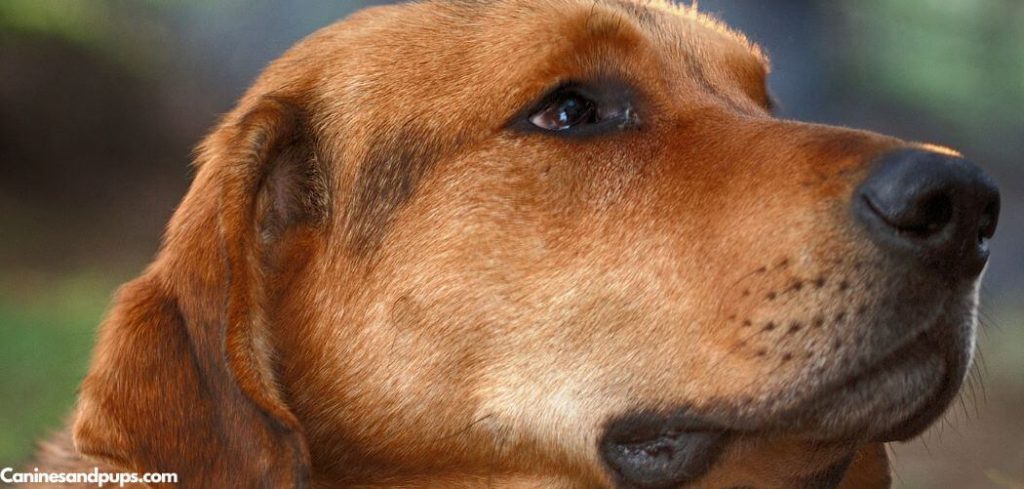
Dog Salivating and Not Eating but Drinking Water: Symptoms
Depending on the underlying problem, other symptoms may occur at the same time, including:
Excessive drooling
Refusing food
Repeated lip licking
Frequent swallowing
Pawing at the mouth
Bad breath
Chewing differently or dropping food
Vomiting or gagging
Dog Salivating and Not Eating but Drinking Water: Common Causes
Dental Disease
Dental disease is a common reason a dog may drool and refuse food. Inflamed gums, painful teeth, periodontal disease, or an oral infection can make chewing uncomfortable.
A dog may approach food but then walk away, chew on one side of the mouth, drop food, or paw at the face. Bad breath and gum inflammation may also be present.
A dog may continue drinking because water is easier to consume than solid food. Significant dental disease can require veterinary treatment even when the problem is not obvious from a quick look at home.
Read more: Dog excessively drooling suddenly (Here’s why)
Something Irritating the Mouth
A foreign object, piece of food, plant material, or another irritant can trigger excessive saliva production. The dog may drool because the mouth feels uncomfortable or because swallowing is difficult.
Pawing at the mouth, lip licking, chewing oddly, or sudden refusal of food can occur.
Do not put your fingers deep inside your dog’s mouth to search for an object. If something appears lodged or cannot be safely removed, a veterinarian should examine the mouth.
Nausea or Stomach Upset
Nausea commonly causes increased salivation and can make a dog refuse food. Some dogs continue drinking water even when they have no appetite.
Lip licking, repeated swallowing, drooling, vomiting, diarrhea, restlessness, or eating grass may accompany nausea.
If your dog repeatedly refuses food or begins vomiting, veterinary assessment may be needed to determine why the stomach or digestive tract is upset.
Gastrointestinal Disease
Problems involving the stomach or intestines can cause drooling, appetite loss, abdominal discomfort, vomiting, and diarrhea.
The dog may continue drinking initially, although significant illness can eventually affect fluid intake as well.
The severity can range from temporary digestive upset to conditions requiring urgent treatment.
Persistent refusal to eat, repeated vomiting, abdominal pain, or marked weakness should be assessed promptly.
Difficulty Swallowing
Problems affecting the mouth, throat, or esophagus can make eating difficult or uncomfortable. Excess saliva may accumulate when a dog cannot swallow normally.
You may notice gagging, repeated swallowing, stretching the neck, coughing while eating or drinking, or food falling from the mouth.
Difficulty swallowing can be serious because material can potentially enter the respiratory tract. Veterinary assessment is appropriate when swallowing appears abnormal.
Anxiety or Stress
Stress can cause increased salivation and temporary loss of appetite. Some dogs drool heavily when frightened, traveling, visiting unfamiliar places, or experiencing a stressful change.
The dog may also pant, tremble, pace, hide, or seek reassurance.
If your dog returns to normal once the stressful situation ends, anxiety may have contributed. However, new or persistent drooling and appetite loss should not automatically be attributed to stress.
Read more: Dog Salivating and Not Eating (Causes and what to do)
Medication Effects
Some medications can cause nausea, changes in appetite, or increased salivation. A dog may continue drinking while refusing food because they feel unwell or dislike the taste of a medication.
If the symptoms began after starting or changing a medication, contact your veterinarian and provide the name and dose.
Do not stop or change a prescribed medication without veterinary guidance.
Oral Mass or Other Underlying Illness
Older dogs can develop oral masses and other conditions that interfere with eating or swallowing. These may cause drooling, bad breath, difficulty chewing, facial swelling, or persistent appetite loss.
Other illnesses can also produce a combination of excessive salivation and reduced appetite.
A dog that continues drinking but repeatedly refuses food should be evaluated if the problem does not resolve, particularly when the dog is older or other symptoms are present.
When to Call or Visit the Vet
A dog that is drinking but refusing food may sometimes recover from a minor problem, but excessive salivation adds an important symptom that should not be ignored if it persists. Contact your veterinarian immediately if you notice:
Persistent or heavy drooling
Refusal to eat that continues
Difficulty chewing or swallowing
Pawing at the mouth or obvious oral pain
Repeated vomiting or significant diarrhea
Blood from the mouth or unusual discharge
Facial or mouth swelling
Marked weakness or unusual behavior
Difficulty breathing or collapse
Dog Salivating and Not Eating but Drinking Water: Treatment
Veterinary treatment for a dog that is salivating and not eating but drinking water starts with a thorough examination of the mouth, teeth, throat, abdomen, and overall health.
The veterinarian may recommend a dental examination, blood tests, X-rays, ultrasound, or other diagnostic testing when appropriate to identify problems that are not visible externally.
Treatment may include dental treatment, prescription medication for nausea or pain, removal of a foreign object, treatment for infection, nutritional support, or other targeted therapy based on the diagnosis.
Key Takeaway
A dog salivating and not eating but drinking water may have dental disease, mouth irritation, nausea, gastrointestinal discomfort, difficulty swallowing, stress, medication effects, or another underlying condition.
Continuing to drink is encouraging for hydration, but it does not rule out illness.
Pay attention to drooling, chewing, swallowing, vomiting, bowel movements, and overall behavior.
Do not force food into your dog’s mouth or give human medications without veterinary guidance.
If excessive salivation or refusal to eat persists, particularly if your dog appears painful, weak, or has difficulty swallowing, arrange a veterinary examination.
The underlying cause can help your dog return to eating comfortably and prevent a potentially treatable problem from worsening.


