
Seeing a dog pass mucus in its stool while also experiencing diarrhea and vomiting can be concerning, particularly when the symptoms occur together or develop suddenly.
Mucus may appear as a clear, white, or slimy coating in loose stool, while vomiting can lead to fluid loss and dehydration.
When several gastrointestinal symptoms occur at the same time, it is important to monitor a dog’s overall condition and recognize signs that require veterinary attention.
Understanding what these symptoms can mean, what additional signs to watch for, and when to seek veterinary care can help ensure a dog receives appropriate treatment.
Table of Contents
Dog Pooping Mucus and Diarrhea and Vomiting: Why It Happens
A dog may poop mucus, have diarrhea, and vomit when inflammation or irritation affects the stomach and intestines. Eating something unusual, sudden dietary changes, intestinal parasites, gastrointestinal infections, and other digestive problems can produce several symptoms at once.
Mucus often comes from the protective lining of the large intestine and may become more noticeable when the colon is inflamed.
Vomiting indicates irritation affecting the upper digestive tract, although the two can occur together during a broader gastrointestinal upset.
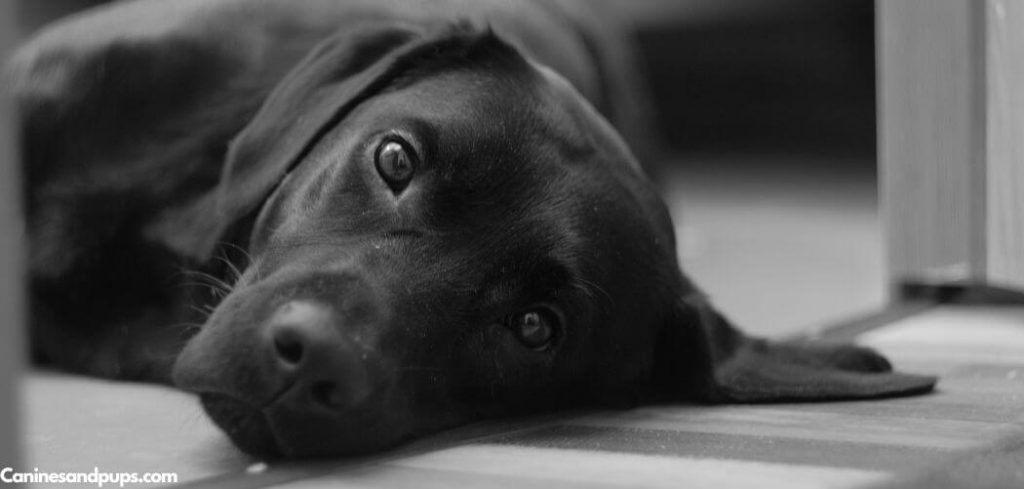
Dog Pooping Mucus and Diarrhea and Vomiting: Symptoms
Depending on the underlying problem, other symptoms may occur at the same time, including:
Loose or watery diarrhea
Mucus covering or mixed into the stool
Vomiting or repeated retching
Frequent bowel movements
Straining to poop
Reduced appetite
Abdominal discomfort
Tiredness or weakness
Dog Pooping Mucus and Diarrhea and Vomiting: Common Causes
Eating Something Unusual
Dogs can develop sudden digestive upset after eating table scraps, spoiled food, garbage, plants, or something else that does not agree with them.
The digestive tract may respond with vomiting and diarrhea, while irritation of the colon can result in mucus in the stool.
Some dogs recover after the offending food passes through their system, while others become increasingly unwell. The severity and duration of the symptoms are important.
If your dog may have swallowed something toxic, sharp, or difficult to digest, contact a veterinarian rather than waiting for the symptoms to resolve.
Read more: Dog Pooping Bloody Mucus but Acting Normal (Here’s why)
Sudden Dietary Change
Changing your dog’s food too quickly can disrupt normal digestion. New treats, richer foods, or a sudden switch between diets may result in loose stools, mucus, vomiting, or gas.
Some dogs remain fairly alert during a mild dietary upset, but repeated vomiting or diarrhea can quickly become more concerning.
If symptoms began shortly after a diet change, tell your veterinarian what food was introduced and how quickly the change occurred.
Gastrointestinal Infection
Viral or bacterial gastrointestinal infections can cause vomiting, diarrhea, mucus, reduced appetite, and abdominal discomfort. Some dogs may have mild symptoms, while others become quite sick.
The stool may become frequent or watery, and vomiting can make it difficult for the dog to maintain normal hydration.
Dogs that are vomiting repeatedly, becoming weak, or unable to keep water down should be assessed immediately.
Related: Slime and mucus in dog poop (Causes and when to worry)
Intestinal Parasites
Parasites can irritate the digestive tract and cause diarrhea containing mucus. Depending on the parasite involved, vomiting may also occur.
Some dogs show few other signs, while others develop weight loss, changes in appetite, poor coat condition, or recurring digestive problems.
A veterinarian may recommend a fecal examination to identify parasites. Treatment depends on the specific organism involved.
Colitis
Colitis is inflammation of the large intestine and commonly causes mucus in the stool. Dogs may have frequent, small bowel movements and strain repeatedly.
Vomiting is not the defining feature of colitis, but it can occur when gastrointestinal upset affects more than just the colon or when another digestive problem is present at the same time.
If mucus and diarrhea continue, particularly with vomiting, veterinary evaluation can help determine whether colitis is the primary problem or part of a broader condition.
Read more: Dog pooping mucus and diarrhea (What it means)
Food Intolerance or Dietary Sensitivity
Some dogs develop digestive symptoms after eating certain ingredients. Food intolerance can cause diarrhea, mucus, vomiting, gas, or recurring changes in stool.
Symptoms may return when the same food is given again, although identifying a dietary trigger can be difficult without veterinary guidance.
If digestive problems repeatedly occur, your veterinarian can help determine whether a controlled dietary approach or further testing is appropriate.
Pancreatitis
Pancreatitis occurs when the pancreas becomes inflamed and can cause vomiting, diarrhea, abdominal pain, reduced appetite, and lethargy.
Some dogs develop digestive symptoms after eating a particularly rich or fatty meal, although pancreatitis has multiple possible causes.
A dog with pancreatitis may appear uncomfortable, reluctant to move, or unwilling to eat. Some dogs develop a hunched posture or other signs of abdominal discomfort.
Because pancreatitis can become serious, repeated vomiting combined with diarrhea and other signs of illness warrants veterinary assessment.
Foreign Body or Intestinal Obstruction
A swallowed object can sometimes become lodged in the digestive tract and interfere with the normal movement of food and intestinal contents. Vomiting and diarrhea may occur, and mucus can appear in the stool.
A dog with an obstruction may become increasingly uncomfortable, stop eating, vomit repeatedly, or become weak. In some cases, diarrhea can occur early in the problem.
A suspected foreign body or intestinal obstruction is an emergency. Do not wait for the object to pass if your dog has persistent vomiting, abdominal pain, or rapidly worsening symptoms.
Read more: Dog pooping mucus and diarrhea but acting normal (Here’s why)
Dog Pooping Mucus and Diarrhea and Vomiting: What to Do
If your dog has mild symptoms but is alert and able to keep small amounts of water down, monitor closely and provide access to fresh water. Vomiting and diarrhea can both contribute to fluid loss, so hydration is important.
Avoid table scraps, rich foods, unfamiliar treats, and sudden dietary changes while your dog is unwell.
Follow your veterinarian’s feeding instructions if you have previously been given a gastrointestinal care plan for your dog.
Do not force food or water if your dog is repeatedly vomiting. Contact your veterinarian for advice if your dog cannot keep water down.
Keep a record of how often your dog vomits and has diarrhea, what the vomit and stool look like, and whether mucus or blood is present.
Photographs can also be useful during a veterinary consultation.
If possible, keep a fresh stool sample available in case your veterinarian wants to perform fecal testing.
Do not give human anti-diarrheal medications, anti-nausea medications, painkillers, or other medicines unless your veterinarian specifically instructs you to do so. The correct treatment depends on the cause of the vomiting and diarrhea.
When to Call or Visit the Vet
Because vomiting and diarrhea are occurring together, pay close attention to your dog’s hydration, energy, appetite, and overall behavior. Persistent or repeated symptoms should not be ignored.
Schedule an appointment if you notice:
Vomiting that continues or repeatedly returns
Diarrhea that persists
Frequent mucus in the stool
Reduced appetite
Recurring digestive problems
Abdominal discomfort
Gradual weight loss
Your dog becoming less energetic
Seek emergency veterinary attention immediately if your dog develops:
Repeated vomiting and inability to keep water down
Severe weakness or collapse
Significant blood in vomit or stool
A swollen or very painful abdomen
Severe dehydration
Repeated unproductive retching
Suspected ingestion of a toxin or foreign object
Extreme lethargy or distress
Dog Pooping Mucus and Diarrhea and Vomiting: Treatment
Veterinary treatment for a dog pooping mucus with diarrhea and vomiting starts with a thorough examination and review of the dog’s recent diet, medications, possible toxin or foreign-object exposure, hydration status, and other symptoms.
The veterinarian may recommend fecal testing, blood tests, X-rays or other diagnostic imaging, or additional gastrointestinal testing when appropriate.
Treatment may include fluid therapy, prescription anti-nausea medication, dietary management, parasite treatment, pain relief, antibiotics when specifically indicated, or other targeted therapy based on the diagnosis.
Recovery and Monitoring
Recovery varies depending on what is causing the vomiting and diarrhea. A mild dietary upset may resolve with appropriate supportive care, while infections, parasites, pancreatitis, or an intestinal obstruction require more specific treatment.
Monitor how often your dog vomits and passes diarrhea and whether the amount of mucus changes.
Also watch water intake, appetite, energy, urination, and signs of abdominal discomfort.
As your dog improves, follow your veterinarian’s recommendations about feeding and gradually returning to a normal diet.
Avoid giving rich foods or multiple new treats during recovery.
If the symptoms improve but return repeatedly, arrange a veterinary examination rather than treating each episode as an isolated stomach upset.
Recurring digestive problems may require further investigation.
Key Takeaway
A dog pooping mucus with diarrhea and vomiting may have a simple dietary upset, but infections, parasites, colitis, food intolerance, pancreatitis, and intestinal obstruction can also cause this combination of symptoms.
Mucus often indicates irritation or inflammation of the large intestine, while vomiting suggests that the digestive upset may involve the stomach or upper gastrointestinal tract as well.
Because vomiting and diarrhea can lead to fluid loss, persistent symptoms deserve careful monitoring.
Seek emergency veterinary care if your dog repeatedly vomits, cannot keep water down, develops significant blood, has severe abdominal pain, becomes extremely weak, or may have swallowed a toxin or foreign object.
If symptoms persist or recur, your veterinarian can identify the underlying cause and recommend appropriate treatment.


