
Waking up to find that your dog has pooped in the house overnight can be frustrating and concerning, especially if they have always been reliably house-trained.
Some dogs begin waking their owners to go outside, while others quietly have an accident before morning.
Although an occasional nighttime bowel movement may not be serious, repeated episodes often indicate an underlying problem that should be investigated.
Understanding why your dog is suddenly pooping during the night can help you find the right solution and know when veterinary care is needed.
Table of Contents
Dog Pooping in the Middle of the Night: Why It Happens
A dog pooping in the middle of the night may be experiencing digestive upset, changes in feeding schedules, intestinal parasites, food intolerance, or an underlying medical condition. Senior dogs may also develop age-related issues that make it harder to control their bowels overnight.
Some causes are temporary, such as mild digestive upset or a change in feeding time, while others—including parasites, gastrointestinal disease, or age-related conditions—require veterinary evaluation.
If nighttime bowel movements become a regular pattern, it’s important to identify the underlying cause rather than simply treating them as accidents.
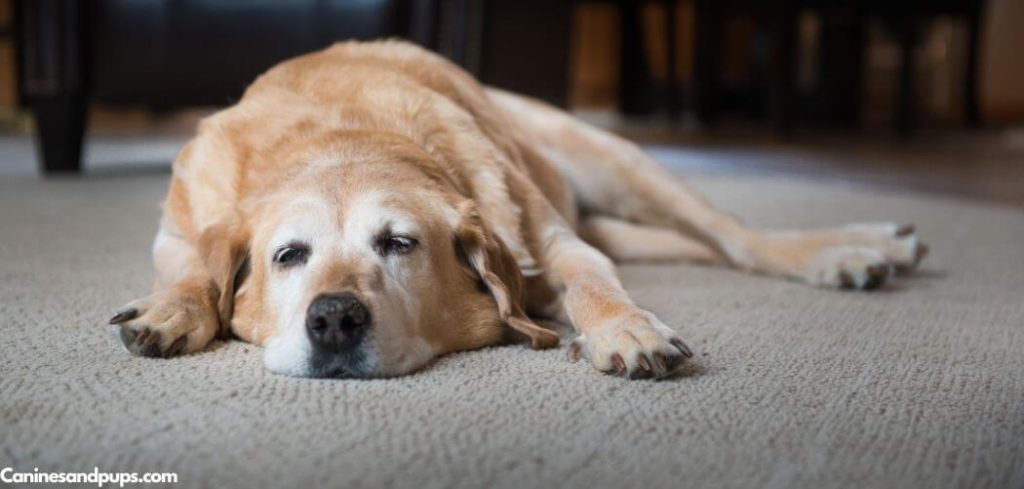
Depending on the cause, your dog may show additional signs besides nighttime bowel movements.
Common signs include:
Waking during the night to defecate
Indoor accidents overnight
Diarrhea or soft stools
Straining to pass stool
Increased urgency to defecate
Gas or abdominal discomfort
Changes in appetite
Restlessness before bedtime
Dog Pooping in the Middle of the Night: Common Causes
Change in Feeding Schedule
One of the most common reasons dogs begin pooping during the night is a change in meal timing. Feeding dinner much later than usual may naturally shift bowel movements into the overnight hours.
Many dogs typically defecate six to twelve hours after eating. If dinner is served close to bedtime, your dog’s digestive system may simply be following a new schedule.
Dog Pooping in the House All of a Sudden (Here’s why)
Dietary Changes or Rich Foods
Switching dog food, introducing new treats, or feeding table scraps can temporarily upset the digestive system. Rich or fatty foods may speed intestinal movement and cause nighttime urgency.
Dogs often develop soft stools, increased gas, mild diarrhea, or abdominal rumbling alongside changes in their bathroom habits.
Mild Gastrointestinal Upset
Eating spoiled food, garbage, excessive grass, or something unusual outdoors can irritate the intestines and trigger bowel movements during the night.
Many dogs recover within a day or two with supportive care, but persistent diarrhea or vomiting should be evaluated by a veterinarian.
Intestinal Parasites
Roundworms, hookworms, whipworms, giardia, and other intestinal parasites can increase bowel urgency and disrupt normal digestive function.
Other signs may include diarrhea, mucus in the stool, weight loss, scooting, bloating, or a dull coat. A fecal examination is needed to diagnose most intestinal parasites.
Food Intolerance or Food Allergy
Some dogs develop digestive problems because they cannot tolerate certain ingredients in their food.
Chronic intestinal irritation may cause frequent bowel movements, loose stools, or nighttime accidents.
Symptoms often improve after switching to an appropriate veterinary-recommended diet once other causes have been ruled out.
Inflammatory Bowel Disease
Inflammatory bowel disease causes chronic inflammation of the digestive tract and commonly affects middle-aged and older dogs.
Affected dogs may experience recurring diarrhea, vomiting, weight loss, increased bowel movements, and nighttime urgency. Long-term management is usually necessary.
Senior Dog Cognitive Dysfunction
Older dogs may begin pooping in the middle of the night because canine cognitive dysfunction affects memory, awareness, and normal routines.
They may forget house-training or become confused about where they should eliminate.
Other symptoms often include nighttime pacing, staring into space, getting stuck behind furniture, changes in sleep patterns, or daytime confusion.
Serious Gastrointestinal Disease
Less commonly, chronic nighttime bowel movements may result from conditions such as intestinal tumors, pancreatic disease, severe infections, or other disorders affecting digestion.
These dogs often develop additional symptoms including weight loss, poor appetite, vomiting, blood in the stool, lethargy, or persistent diarrhea. Prompt veterinary evaluation is important.
Read more: Dog pooping bloody mucus but acting normal (What it means)
Dog Pooping in the Middle of the Night: What to Do
Begin by paying close attention to your dog’s daily routine. Note what time they eat, when they normally have bowel movements, and whether the nighttime accidents began after any changes in diet, treats, medications, or household routine.
Try feeding your dog’s evening meal a little earlier if your veterinarian agrees. Giving them enough time for a walk and a final bathroom break before bedtime may help shift bowel movements back into the daytime.
Monitor the consistency of your dog’s stool. Soft stools, diarrhea, mucus, blood, or unusually foul-smelling feces can provide important clues about the underlying cause.
Keep a diary recording feeding times, bowel movements, appetite, activity level, and any digestive symptoms such as vomiting or gas. This information is often extremely helpful for your veterinarian.
Ensure your dog always has access to fresh water, especially if diarrhea is present, since dehydration can develop quickly.
Avoid changing foods repeatedly or giving human medications to treat diarrhea unless specifically instructed by your veterinarian.
When to Call or Visit the Vet
Occasional nighttime bowel movements may not be serious, but recurring accidents or additional symptoms should always be evaluated.
Schedule an appointment if you notice:
Nighttime bowel movements occurring repeatedly
Soft stools lasting more than two days
Mild weight loss
Changes in appetite
Increased urgency to defecate
Mucus in the stool
Scooting
New nighttime accidents in a previously house-trained dog
Seek emergency veterinary attention immediately if your dog develops:
Large amounts of blood in the stool
Severe diarrhea with repeated vomiting
Collapse or severe weakness
A swollen or painful abdomen
Continuous straining without producing stool
Black, tarry stools
Signs of dehydration
Severe lethargy or unresponsiveness
Dog Pooping in the Middle of the Night: Treatment
Your veterinarian will ask when the nighttime bowel movements began, how often they occur, what your dog eats, and whether vomiting, weight loss, or other symptoms are present.
A complete physical examination may be followed by fecal testing to check for parasites, blood work to assess organ function, urinalysis, and additional diagnostic tests such as abdominal X-rays or ultrasound if chronic disease is suspected.
Treatment depends on the underlying cause. Dietary indiscretion often improves with supportive care and temporary dietary adjustments. Intestinal parasites are treated with appropriate deworming medications, while food intolerance may require a prescription elimination diet.
Dogs with inflammatory bowel disease, pancreatic disorders, or chronic gastrointestinal disease often require long-term medications, specialized diets, and regular monitoring. Senior dogs with cognitive dysfunction may benefit from medications, environmental modifications, and consistent routines.
Recovery and Monitoring
Recovery depends on the reason your dog is pooping during the night. Mild digestive upset often resolves within a day or two once the digestive system settles, while dietary changes may require several weeks before bowel habits normalize completely.
Dogs with chronic gastrointestinal disease or cognitive dysfunction may need ongoing management rather than a permanent cure. Fortunately, many respond well to appropriate treatment and lifestyle adjustments.
Continue monitoring your dog’s stool consistency, appetite, body weight, and bathroom schedule. Keeping a written log can help you identify improvements or recognize recurring problems early.
Attend follow-up veterinary appointments as recommended, particularly if your dog has been diagnosed with a chronic digestive condition or senior-related health issue.
Key Takeaway
A dog pooping in the middle of the night may simply have a shifted feeding schedule or a mild stomach upset, but repeated nighttime bowel movements can also signal food intolerance, intestinal parasites, inflammatory bowel disease, cognitive dysfunction, or other underlying medical conditions.
Because persistent nighttime accidents are not considered normal in a previously house-trained dog, they deserve veterinary attention if they continue or occur alongside diarrhea, weight loss, vomiting, or blood in the stool.
With careful observation, appropriate dietary management, and prompt veterinary care when needed, most dogs can return to a healthier bathroom routine. If your dog’s nighttime bowel movements persist or worsen, schedule a veterinary examination to identify and treat the underlying cause.


