
Coming home to find that your dog has pooped in the house can be frustrating, especially if they are otherwise well house-trained.
Many dog owners wonder whether their dog is acting out, protesting being left alone, or simply forgetting their training. In reality, dogs rarely soil the house out of spite.
More often, there is an underlying behavioral or medical reason for the accident.
Understanding why the accidents only happen when you’re away is the first step toward solving the problem.
Table of Contents
Dog Pooping in the House When Left Alone: Why It Happens
A dog pooping in the house when left alone may be experiencing separation anxiety, an incomplete house-training routine, digestive problems, or a medical condition that makes it difficult to control bowel movements.
Some dogs become so stressed when their owners leave that they develop an urgent need to defecate, while others simply cannot hold their bowel movements long enough.
Since the causes range from behavioral to medical, repeated accidents should not be dismissed as bad behavior.
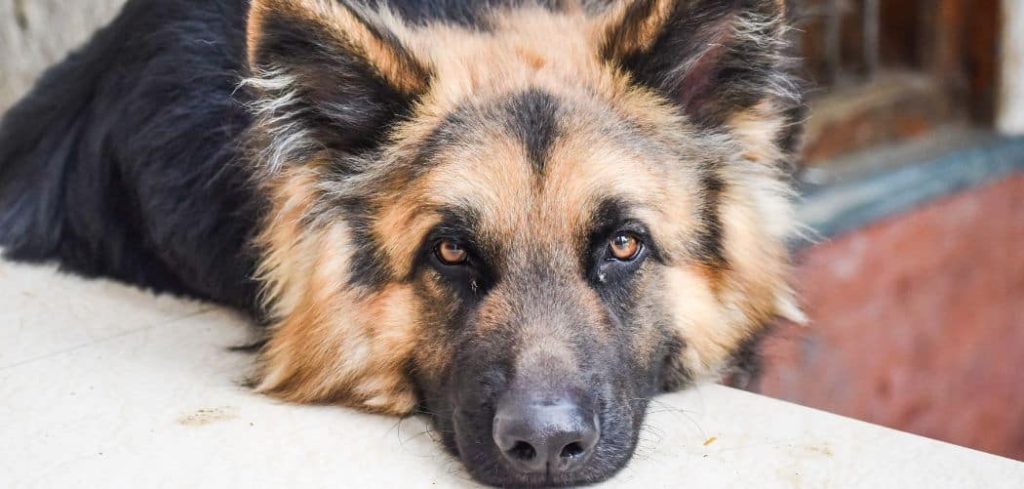
Dogs that only have accidents when left alone often show other clues that help identify the underlying cause.
Common symptoms include:
Defecating only when left home alone
Normal bowel habits when owners are present
Restlessness before owners leave
Barking or whining after departure
Pacing or destructive behavior
Loose stools or diarrhea
Hiding after accidents
Normal appetite and energy in many cases
Dog Pooping in the House When Left Alone: Common Causes
Separation Anxiety
One of the most common reasons for a dog pooping in the house when left alone is separation anxiety. Dogs experiencing severe stress may lose control of their bowels shortly after their owners leave.
Other signs often include excessive barking, whining, pacing, destructive chewing, scratching at doors or windows, drooling, or attempts to escape.
The accidents usually occur only when the dog is alone and not during normal daily routines.
Read more: Dog Pooping in the House All of a Sudden (Here’s why)
Incomplete House Training
Some dogs were never fully house-trained, particularly rescue dogs, recently adopted pets, or puppies transitioning into adulthood.
They may understand to eliminate outside when someone is home to let them out but have not yet learned to hold their bowel movements while alone for longer periods.
Consistent training and predictable schedules usually improve this problem.
Being Left Alone Too Long
Even well-trained dogs have limits. If they are left alone longer than they can comfortably hold their bowels, accidents become much more likely.
Puppies, senior dogs, and dogs with digestive disorders often need more frequent bathroom breaks than healthy adult dogs.
Digestive Upset
Dietary indiscretion, food intolerance, intestinal parasites, or mild gastrointestinal illness can increase the urgency to defecate. A dog that develops diarrhea while home alone may simply be unable to wait until you return.
Owners often notice loose stools, increased bowel movements, gas, vomiting, or reduced appetite alongside the accidents.
Feeding Schedule
The timing of meals can significantly affect bowel habits. Feeding immediately before leaving the house may increase the likelihood that your dog will need to defecate while you are away.
Most dogs develop predictable bowel movements several hours after eating. Adjusting meal timing may help reduce accidents.
Senior Dog Cognitive Dysfunction
Older dogs sometimes begin pooping indoors because canine cognitive dysfunction affects memory and awareness. These dogs may forget their house-training or become confused about where they should eliminate.
Additional signs often include nighttime pacing, wandering, staring into space, getting stuck behind furniture, changes in sleep patterns, or confusion during familiar routines.
Loss of Bowel Control
Certain medical conditions affecting the nerves, spinal cord, or muscles around the rectum can reduce bowel control. Arthritis may also make it difficult for some dogs to reach the door in time.
Owners may notice stool leaking during sleep, difficulty standing, weakness in the hind legs, or accidents occurring even when the owner is home.
Chronic Gastrointestinal Disease
Inflammatory bowel disease, pancreatic disorders, intestinal tumors, or chronic infections may increase bowel frequency and urgency.
Affected dogs often develop recurring diarrhea, weight loss, appetite changes, vomiting, or poor body condition in addition to accidents inside the home.
Read more: Dog pooping bloody mucus but acting normal (What it means)
Dog Pooping in the House When Left Alone: What to Do
Start by observing when the accidents occur. If your dog consistently poops within a short time after you leave, separation anxiety may be contributing to the problem. A pet camera can provide valuable insight into your dog’s behavior when home alone and help determine whether they are pacing, barking, or showing signs of distress before the accident occurs.
Review your dog’s daily routine. Make sure they have enough time for a relaxed walk and a complete bowel movement before you leave the house. Some dogs benefit from two short walks rather than one quick trip outside before their owner departs.
If possible, adjust feeding times so your dog is less likely to need a bowel movement while you are away. Feeding several hours before leaving often helps establish a more predictable bathroom schedule.
Keep a diary of meal times, bathroom habits, stool consistency, and the timing of accidents. This information can help identify patterns and is extremely useful if veterinary evaluation becomes necessary.
Avoid punishing your dog for accidents discovered after you return home. Dogs do not associate delayed punishment with behavior that occurred hours earlier, and punishment may increase anxiety and worsen the problem.
Continue offering fresh water at all times, even if diarrhea is present. Restricting water can lead to dehydration and does not prevent accidents.
When to Call or Visit the Vet
Repeated accidents while home alone deserve veterinary evaluation, especially if your dog was previously well house-trained.
Schedule an appointment if you notice:
Repeated accidents only when left alone
Loose stools lasting more than two days
Changes in appetite
Weight loss
Increased bowel frequency
Signs of anxiety before departures
New accidents in a senior dog
Difficulty holding bowel movements
Seek emergency veterinary attention immediately if your dog develops:
Large amounts of blood in the stool
Severe diarrhea with repeated vomiting
Collapse or severe weakness
A swollen or painful abdomen
Continuous straining without producing stool
Black, tarry stools
Severe dehydration
Loss of bowel control accompanied by inability to walk
Dog Pooping in the House When Left Alone: Treatment
Your veterinarian will ask detailed questions about when the accidents occur, whether they happen only when your dog is alone, how long your dog is left unattended, and whether the stool is normal or abnormal.
A complete physical examination may include a rectal examination, neurological assessment, and abdominal palpation. Diagnostic testing commonly includes fecal testing for parasites, blood work, urinalysis, and additional imaging such as X-rays or ultrasound if gastrointestinal disease is suspected.
Treatment depends on the underlying cause. Separation anxiety may be managed through behavior modification, environmental enrichment, gradual desensitization, and, in some cases, prescription anti-anxiety medications.
Digestive disorders may require dietary changes, deworming medication, probiotics, or treatment for chronic intestinal disease. Dogs with cognitive dysfunction or neurological disorders often benefit from individualized long-term management plans.
Recovery and Monitoring
Recovery depends on why your dog is pooping in the house when left alone. Dogs with separation anxiety often improve gradually with consistent training and behavior management, although progress may take several weeks or months.
Dogs with digestive problems usually improve once the underlying condition is treated. Senior dogs with cognitive dysfunction or loss of bowel control may require long-term management rather than a complete cure.
Monitor your dog’s bowel movements, stool consistency, appetite, and behavior when preparing to leave the house. Continue using a diary or pet camera if recommended, as these tools help track progress and identify ongoing triggers.
Regular veterinary follow-up is important if your dog has a chronic gastrointestinal condition, cognitive dysfunction, or neurological disease.
Key Takeaway
A dog pooping in the house when left alone is usually experiencing more than simple disobedience. Separation anxiety, being left alone too long, digestive upset, feeding schedules, incomplete house training, cognitive dysfunction, and chronic medical conditions are among the most common causes.
Because repeated indoor accidents often signal an underlying behavioral or medical problem, they should not be ignored or treated as bad behavior. Careful observation, a consistent routine, and a veterinary examination when needed can help identify the cause and guide the most effective treatment.
If your dog’s accidents become frequent, are accompanied by diarrhea, weight loss, anxiety, or changes in behavior, contact your veterinarian promptly. With the right approach, many dogs can return to reliable house-training and enjoy a healthier, more comfortable routine.


