
Some dogs begin panting noticeably before a storm arrives. This can be unsettling, particularly when the behavior is unusual for them or becomes intense.
Some dogs become anxious before a storm arrives and may start panting, pacing, hiding, trembling, following their owners, or becoming restless.
Dogs can respond to several features of storms, including thunder, lightning, rain, changes in atmospheric pressure, and other environmental cues.
We explain what dog panting before a storm may indicate, how to help your dog through the episode, and when unusual or persistent panting should be discussed with a veterinarian.
Table of Contents
Dog Panting Before Storm: Why It Happens
A dog panting before a storm may be reacting to changes in the environment that signal an approaching storm. Dogs can be sensitive to thunder, changes in atmospheric pressure, wind, and other sounds that may occur before the storm becomes obvious to people.
Panting is also a common sign of anxiety or stress. If the panting consistently starts shortly before storms and improves afterward, storm-related fear or anticipation is a likely explanation.
Providing a quiet, secure place and staying calm can help reduce the dog’s stress.
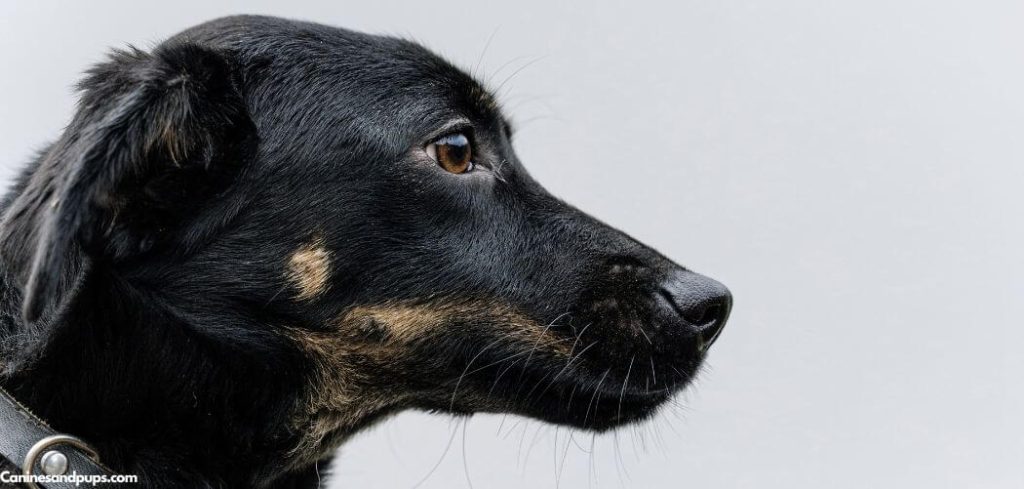
Dog Panting Before a Storm: Common Causes
Thunderstorm Anxiety
Thunderstorm anxiety is the most likely explanation when panting consistently appears shortly before storms.
Dogs can be frightened by thunder, lightning, rain, wind, and other aspects of storm conditions.
A dog may begin panting before the thunder becomes particularly loud and may become increasingly restless as the storm approaches.
Some dogs develop a mild fear response, while others develop a more intense phobia involving panic, escape attempts, or destructive behavior.
Related: Dog Panting Before Throwing Up (Why it happens)
Anticipation of Thunder
Dogs can learn that certain environmental changes predict an unpleasant event.
If previous storms have been frightening, a dog may begin responding as soon as it notices familiar cues. This can explain why panting sometimes begins before thunder is audible to the owner.
The dog may also respond to changes in the environment that people notice less readily.
Fear of Lightning
Lightning can contribute to storm anxiety even when thunder is not especially loud.
Some dogs become unsettled by flashes of light or changes in the environment associated with storms.
Panting may therefore begin before or during a storm even if loud thunder is not the obvious trigger.
Fear of Rain or Wind
Rain striking a roof, windows, or other surfaces can create unfamiliar sounds. Strong wind can also produce unusual noises and changes around the home.
For a dog that is sensitive to environmental sounds, these changes may trigger panting and other stress behaviors.
Previous Frightening Experiences
A particularly frightening storm can contribute to future fear.
A dog that previously experienced intense thunder, lightning, wind, or another frightening event may become more reactive when similar conditions return.
Noise fears can range from mild panting and pacing to much more intense anxiety and escape behavior.
Related: Dog Panting Excessively and Restless (Here’s why)
General Noise Sensitivity
Some dogs are sensitive to loud or unpredictable sounds in general.
A dog that pants during thunderstorms may also react to fireworks, construction noises, vehicles, or other sudden sounds. Thunderstorm fear is considered a common form of noise phobia in dogs.
Pain or Another Medical Problem
Not every episode of panting before a storm is necessarily caused by anxiety.
Pain can cause panting and restlessness, and some dogs with chronic discomfort may appear more unsettled during changes in routine or environmental conditions. A medical problem can also happen to coincide with a storm.
This becomes more important if the panting occurs when there is no storm, becomes more intense over time, or is accompanied by other physical symptoms.
Heat or Poor Ventilation
Panting is also a normal mechanism for cooling the body.
If a storm occurs during hot or humid weather, a dog may pant because of the temperature rather than fear, or because both heat and anxiety are contributing.
Panting caused by environmental heat should generally improve as the dog cools down.
Respiratory or Cardiovascular Disease
Dogs with respiratory or heart disease may pant more than usual, particularly when stressed or physically active.
If your dog is older or has known heart or lung disease, do not automatically assume new panting is storm anxiety.
Heart disease can cause abnormal breathing patterns, and panting can sometimes make an increased resting breathing rate harder for owners to notice.
Related: Dog Panting Excessively for No Reason (Causes and when to worry)
Dog Panting Before Storm but Acting Normal
A dog that pants briefly before a storm but otherwise behaves normally may simply be showing a mild fear response.
Some dogs continue eating, interacting, and responding normally while panting or becoming mildly restless as the weather changes.
Mild noise-related fear can involve panting and pacing without more severe behavioral changes.
However, “acting normal” does not prove that panting is harmless. If the behavior is new, persistent, or increasingly intense, a veterinary assessment can help rule out medical contributors.
Dog Panting Before Storm and Shaking
A dog panting before a storm and shaking is often showing signs of fear or anxiety. Some dogs become distressed by environmental changes or anticipate thunder and other loud noises before their owners can hear them.
Panting and trembling may occur together as part of the dog’s stress response.
Keeping the dog indoors in a familiar, quiet area, closing windows, and reducing exposure to flashes and noise may help.
If the shaking is severe, occurs frequently outside storm situations, or is accompanied by weakness, vomiting, difficulty breathing, or collapse, a veterinary examination is appropriate
Dog Panting Before Storm and Pacing
A dog panting before a storm and pacing may be too anxious or unsettled to relax as the weather changes.
Pacing, panting, restlessness, hiding, whining, and repeatedly seeking attention are common behaviors in dogs that are fearful of storms.
The dog may begin reacting before the storm arrives because it has learned to associate certain environmental cues with thunder or other frightening conditions.
A safe indoor space, familiar bedding, background noise, and calm interaction can make the period before the storm easier for the dog.
Dog Panting Before Storm at Night
A dog panting before a storm at night may become particularly anxious because darkness, quiet surroundings, wind, lightning, and distant thunder can make the approaching storm more noticeable.
Panting may be accompanied by pacing, trembling, whining, hiding, or repeatedly waking the household.
Dogs can also develop strong associations between nighttime storms and previous frightening experiences.
Bringing the dog indoors, providing a secure resting area, and using steady background noise can help. If panting occurs on many nights when there is no storm, another cause should be considered.
Dog Panting Before Storm but Not During the Storm
A dog panting before a storm but not during the storm may be reacting to the environmental changes that occur before the loudest thunder begins.
Wind, pressure changes, distant thunder, lightning, or other sounds can trigger anxiety, and the dog may recognize these cues from previous storms.
Once the storm arrives or passes, the dog may settle because the anticipated event is no longer approaching.
This pattern can still be consistent with storm anxiety, particularly when panting is accompanied by pacing, shaking, hiding, or clinginess.
Dog Panting Before Storm: What to Do
Create a Safe, Quiet Space
Set up a comfortable area where your dog can retreat before the storm becomes loud.
Choose an interior room if possible, preferably one with few windows. Close windows, curtains, and doors to reduce exposure to thunder, wind, rain, and flashes of lightning.
A bed, familiar blanket, favorite toy, or other familiar item can make the area more comfortable.
Stay With Your Dog if Possible
Some dogs settle more easily when their owner is nearby during a storm.
You can remain in the same room and behave calmly and normally. Offer attention if your dog seeks it, but avoid forcing physical contact or repeatedly approaching a frightened dog that wants space.
The goal is to provide a calm presence without turning the storm into a highly emotional interaction.
Reduce Thunder and Other Outside Noise
Closing windows and doors can help reduce outside noise.
You can also use steady background sounds such as a fan, television, or white noise to partially mask unpredictable thunder.
Block Lightning Flashes
If your dog reacts to lightning as well as thunder, close curtains or blinds before the storm becomes intense.
An interior room with limited windows can reduce both visual and auditory stimulation.
If your dog already has a preferred safe area away from windows, allow them to use it rather than repeatedly moving them around the house.
Give Your Dog Something Positive to Focus On
If your dog is still willing to eat, you can offer a favorite treat, food puzzle, or safe enrichment activity.
The timing matters. Offering something enjoyable while the dog is still relatively calm can help create a more positive association with the environment surrounding storms.
If your dog is too frightened to eat, do not force food. Severe fear can temporarily suppress appetite.
Keep Your Dog Secure Indoors
A frightened dog may behave differently from normal and may attempt to escape.
Before the storm arrives, make sure doors, windows, gates, and other potential escape routes are secure. Identification information and microchip details should also be kept up to date.
Avoid allowing a frightened dog outside unsupervised, even if they normally stay close to home.
Take Bathroom Breaks Before the Storm
If a storm is approaching, give your dog an opportunity to go outside before the weather becomes severe.
Once thunder and lightning are intense, keep your dog indoors whenever possible. If your dog needs to go outside during a storm, supervise them closely and use appropriate restraint for safety.
Do Not Punish Fearful Behavior
Do not scold, punish, or force your dog to remain in an area where they are frightened.
Punishment can increase fear and may make future storm responses worse. Veterinary behavior guidance recommends avoiding punishment for noise-related fear.
Likewise, do not force your dog to approach windows, go outside, or remain near the source of the noise.
Be Careful With Crates
A crate can be comforting for some dogs if they already associate it with safety.
However, a severely frightened dog may panic when confined and could injure themselves while trying to escape.
If your dog normally relaxes comfortably in their crate, you can leave it available as an option, but avoid forcing them inside.
When to Call or Visit the Vet
Contact a veterinarian if your dog’s storm-related panting is new, becoming more severe, or interfering significantly with normal life.
Seek immediate veterinary care if panting occurs with:
- Pants heavily throughout storms and cannot settle
- Trembles, paces, hides, or becomes extremely distressed
- Attempts to escape or injures themselves
- Becomes destructive during storms
- Remains highly anxious for a long time after the storm ends
- Develops storm fear that is becoming progressively worse
- Shows signs of fear outside storms
- Suddenly develops significant noise sensitivity later in life
- Has other changes in behavior or physical health
Severe storm phobia can cause dogs to panic, attempt to escape, or injure themselves.
Dog Panting Before Storm: Treatment
Treatment depends on whether the panting is caused primarily by storm anxiety or another medical problem. The veterinarian may first examine your dog and consider pain, heart or respiratory disease, medications, and other possible contributors.
When storm fear is the main issue, treatment can include behavior modification such as gradual desensitization and counterconditioning.
For dogs with severe storm phobias, a veterinarian may also recommend medication as part of an individualized treatment plan; these medications are most effective when used according to veterinary guidance and timed appropriately before the stressful event.
Key Takeaway
Dog panting before a storm is often a sign of anxiety or fear, particularly when it occurs along with pacing, trembling, hiding, whining, or clinginess and follows a predictable pattern before bad weather.
Dogs can respond to several storm-related environmental cues, sometimes before the owner notices obvious thunder.
Panting should not automatically be blamed on the weather, however.
If your dog has suddenly started panting before storms, pants heavily at other times, or develops breathing difficulty, weakness, pain, or other physical changes, a veterinarian should evaluate the dog for an underlying medical problem.
For dogs with established storm anxiety, veterinary-guided behavior modification and, when necessary, medication can help reduce the intensity of the response and improve quality of life.


