
A dog panting before pooping may catch your attention, particularly if the panting happens repeatedly just before or during a bowel movement.
You may also notice changes in how your dog prepares to poop, such as taking longer to find a position, repeatedly squatting, or appearing different from usual.
It is important to pay attention to the overall pattern, including whether your dog is able to pass stool normally, whether the stool looks different, and whether there are changes in appetite, energy, or bathroom habits.
Panting on its own does not explain what is happening, so the timing and other signs can provide important information when deciding whether the behavior needs veterinary attention.
Table of Contents
Dog Panting Before Pooping: Why It Happens
A dog panting before pooping may be responding to excitement, physical exertion, anxiety, or discomfort associated with defecation. If the panting occurs specifically when your dog assumes the posture to poop, repeatedly strains, or appears unable to settle, pain or difficulty passing stool becomes more important to consider.
The timing of the panting, the appearance of the stool, and whether your dog can successfully pass a normal bowel movement can help your veterinarian determine what is happening.
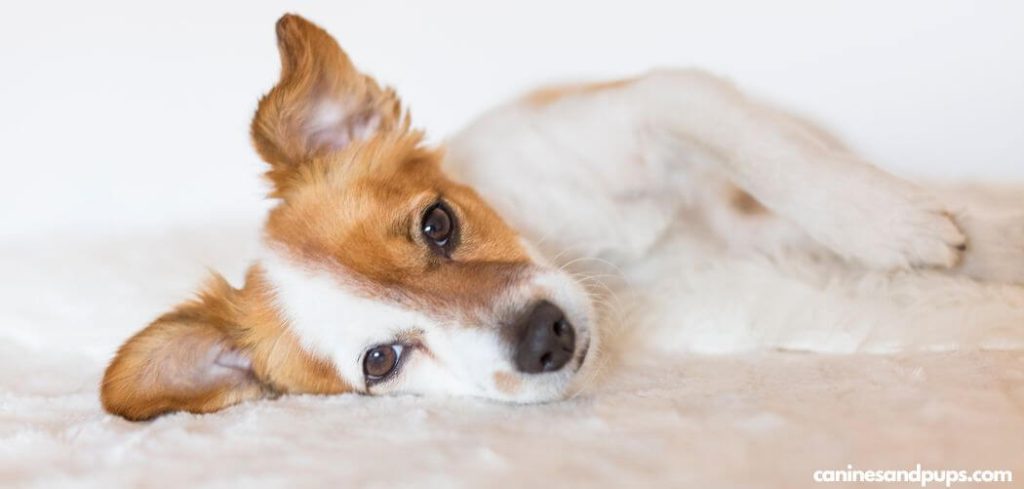
Dog Panting Before Pooping: Common Causes
Normal Excitement or Anticipation
Some dogs become excited when they realize they are about to go outside.
Walking, sniffing, exploring, and anticipation can temporarily increase breathing rate.
If your dog pants briefly, passes a normal stool without straining, and immediately returns to normal, there may not be a medical problem.
However, new or persistent panting specifically associated with defecation deserves more attention.
Related: Dog Panting Before Diarrhea (Why it happens)
Constipation
Constipation is one of the most relevant causes when panting occurs together with difficulty passing stool.
A constipated dog may repeatedly squat, strain, circle, take a long time to defecate, or produce only small amounts of hard, dry stool.
Some dogs may also show decreased appetite, vomiting, abdominal discomfort, or lethargy.
As stool remains in the colon, more water is absorbed from it, making it progressively harder and more difficult to pass.
Painful Defecation
Panting can occur when a dog anticipates or experiences pain.
Problems affecting the rectum, anus, anal sacs, pelvis, or surrounding tissues can make defecation uncomfortable.
Dogs with painful defecation may repeatedly attempt to poop, hesitate, strain, or change position.
Rectal injuries can also cause constipation, straining, bleeding, and reluctance to defecate.
Anal Sac Problems
Anal sac disease can make sitting, passing stool, or contracting the muscles around the anus uncomfortable.
Impacted, inflamed, infected, or abscessed anal sacs may cause scooting, licking around the anus, discomfort during defecation, or repeated straining.
A dog with anal sac discomfort may pant because the process of defecating is painful rather than because the bowel movement itself is abnormal.
Dietary Indiscretion or Indigestible Material
Eating bones, large amounts of plant material, garbage, or other indigestible material can contribute to constipation or irritation of the digestive tract.
Bones and other hard material are specifically recognized as potential contributors to constipation in dogs.
If your dog has a history of eating something unusual and is now straining or having difficulty passing stool, tell the veterinarian.
Related: Dog Panting Excessively and Restless (Here’s why)
Abdominal Discomfort
Pain or discomfort within the abdomen can sometimes make a dog pant or become restless when attempting to defecate.
Digestive disorders can produce abdominal pain, bloating, constipation, vomiting, and straining.
A dog with significant abdominal discomfort may repeatedly change position, pace, stretch, or appear unable to get comfortable.
Arthritis or Musculoskeletal Pain
A dog may have normal stool but still struggle with the physical act of getting into a squatting posture.
Arthritis, hip disease, back pain, or another orthopedic problem can make crouching or maintaining the defecation position uncomfortable.
Dogs with painful conditions may therefore hesitate, pant, repeatedly reposition themselves, or stop before completing the bowel movement.
Constipation can also occur when painful conditions make defecation uncomfortable, because dogs may become reluctant to pass stool regularly.
Pelvic Problems
Previous pelvic injuries or abnormalities can sometimes narrow the passage through which stool needs to move.
This can contribute to chronic or recurring constipation and may result in unusually thin or ribbon-like stool.
A history of pelvic trauma is therefore useful information for the veterinarian.
Enlarged Prostate in Male Dogs
In male dogs, particularly older intact males, prostate enlargement can interfere with the normal passage of stool.
The enlarged prostate can put pressure on the rectum, making defecation difficult. This may result in straining, constipation, or unusually thin stools.
Perineal Hernia
A perineal hernia occurs when pelvic or abdominal tissues push through weakened muscles around the perineum.
It is seen most often in middle-aged to older intact male dogs and can cause constipation, straining to defecate, difficulty urinating, or swelling beside the anus.
A new swelling around the anus or difficulty both urinating and defecating warrants veterinary assessment.
Rectal or Colonic Mass
Less commonly, a mass in the rectum or colon can interfere with the passage of stool.
Rectal polyps, for example, can cause straining, blood in the stool, and changes in bowel movements.
Masses are more relevant when the problem is persistent, recurrent, progressively worsening, or accompanied by weight loss or blood.
Neurologic Problems
Normal defecation requires coordinated function of the colon, rectum, anal sphincter, spinal cord, and nerves.
Neurologic disease can interfere with bowel control or the ability to pass stool normally. A dog with neurologic disease may also have hind-leg weakness, changes in tail movement, urinary problems, or fecal incontinence.
If panting before pooping occurs together with new hind-leg or bladder changes, veterinary evaluation is especially important.
Related: Dog Panting Excessively for No Reason (Causes and when to worry)
Dog Panting Before Pooping but Poops Normally
If your dog pants briefly before passing a normal stool and then immediately returns to normal, the cause may be excitement, anticipation, walking, or temporary exertion.
Still, a new pattern is worth observing. If the panting becomes more intense, lasts longer, happens every time your dog poops, or is accompanied by straining or behavioral changes, a medical cause should be considered.
Normal stool does not completely rule out discomfort, particularly when a dog has arthritis, back pain, or anal-area disease.
Dog Panting Before Pooping and Straining
A dog panting before pooping and straining may be experiencing difficulty passing stool because of constipation, dehydration, or hardened feces. Some dogs also pant because abdominal discomfort or the effort of trying to defecate makes them uncomfortable.
Dietary changes, eating bones or indigestible material, reduced activity, and certain medications can contribute to constipation.
If the dog repeatedly strains, produces only small amounts of stool, cries in discomfort, vomits, has a swollen abdomen, or cannot pass stool, veterinary assessment is needed.
Dog Panting Before Pooping and Not Pooping
A dog panting before pooping but not actually passing stool may be constipated or may have another problem interfering with defecation.
Hardened stool, dehydration, insufficient dietary fiber, or swallowing indigestible material can make bowel movements difficult.
In some cases, an intestinal obstruction can prevent stool from passing and may cause abdominal pain, panting, vomiting, or loss of appetite.
Repeated unsuccessful attempts to poop should not be ignored, particularly if the dog is uncomfortable or has not passed stool for an unusually long period.
Dog Panting Before Pooping and Shaking
A dog panting before pooping and shaking may be experiencing abdominal discomfort, constipation, or anxiety associated with difficulty defecating.
Straining can be physically uncomfortable, and some dogs tremble or pant when they are experiencing pain or significant pressure in the abdomen or rectum.
Dehydration, dietary indiscretion, intestinal irritation, and an obstruction are possible causes depending on the other symptoms.
If shaking and panting persist, or the dog repeatedly strains without producing stool, vomits, becomes weak, or develops a painful or swollen abdomen, prompt veterinary care is appropriate.
When to Call or Visit the Vet
Contact a veterinarian if the panting is persistent, repeatedly associated with bowel movements, or accompanied by changes in defecation.
Seek immediate veterinary care if your dog has:
Repeated straining without producing stool
No bowel movement despite repeated attempts
Hard, dry stool that is difficult to pass
Blood in the stool
Vomiting
Loss of appetite
Marked lethargy or weakness
A painful, swollen, or tense abdomen
Severe or persistent panting while resting
Crying or obvious pain when attempting to poop
Swelling beside or around the anus
Difficulty urinating at the same time
New hind-leg weakness or difficulty walking
Repeated or worsening constipation
Suspected ingestion of bones or another indigestible object
Contact your veterinarian when your dog has not produced a bowel movement within 48–72 hours of the previous bowel movement, while repeated unsuccessful straining or significant illness warrants attention sooner.
Dog Panting Before Pooping: Treatment
Treatment depends on why the dog is panting and whether there is an underlying bowel, anal, orthopedic, or systemic problem. The veterinarian may examine the abdomen and rectal area and assess the stool history, hydration, pain, medications, diet, and ability to defecate normally.
Depending on the findings, testing may include blood work, fecal testing, abdominal X-rays or ultrasound, and additional examination of the rectum or anal sacs.
Treatment may involve addressing constipation, anal sac disease, pain, dehydration, dietary factors, or an underlying obstruction or mass.
Severe constipation or obstipation may require veterinary removal of retained feces, while the underlying cause must also be addressed.
Key Takeaway
Dog panting before pooping does not necessarily mean something is wrong. Brief panting associated with excitement, walking, or anticipation may be harmless when your dog passes a normal stool comfortably and quickly returns to normal.
However, panting that repeatedly occurs with straining, painful defecation, constipation, difficulty passing stool, or other changes can indicate discomfort or an underlying medical problem.
Constipation, anal sac disease, orthopedic pain, pelvic problems, prostate enlargement, and less common rectal or neurologic disorders can all interfere with normal defecation.
If your dog repeatedly tries to poop without producing a normal bowel movement, appears painful, vomits, becomes weak, develops abdominal swelling, or has difficulty urinating as well, contact a veterinarian promptly.


