
Panting shortly before a dog develops diarrhea can be unsettling, particularly when the change happens suddenly.
Some dogs become restless, pant, pace, or repeatedly change position before having loose or watery stool.
Panting does not identify the cause of diarrhea by itself. A brief episode may occur with a mild digestive upset, dietary change, or temporary stress, while repeated diarrhea with panting can also occur with abdominal pain, infection, parasites, pancreatitis, toxin exposure, or other illnesses.
Diarrhea can also cause substantial fluid and electrolyte losses when it is severe or frequent.
Table of Contents
Dog Panting Before Diarrhea: Why It Happens
A dog panting before diarrhea may be experiencing abdominal discomfort, nausea, stress, or the early effects of gastrointestinal irritation.
Panting can occur when the digestive tract is upset, particularly if the dog feels cramping or an urgent need to pass stool. Dietary changes, eating something unusual, intestinal infections, parasites, and stress are common possibilities.
If the diarrhea is brief and the dog remains comfortable, alert, and hydrated, the problem may be temporary.
Persistent diarrhea, repeated panting, weakness, abdominal pain, or dehydration warrants veterinary attention.
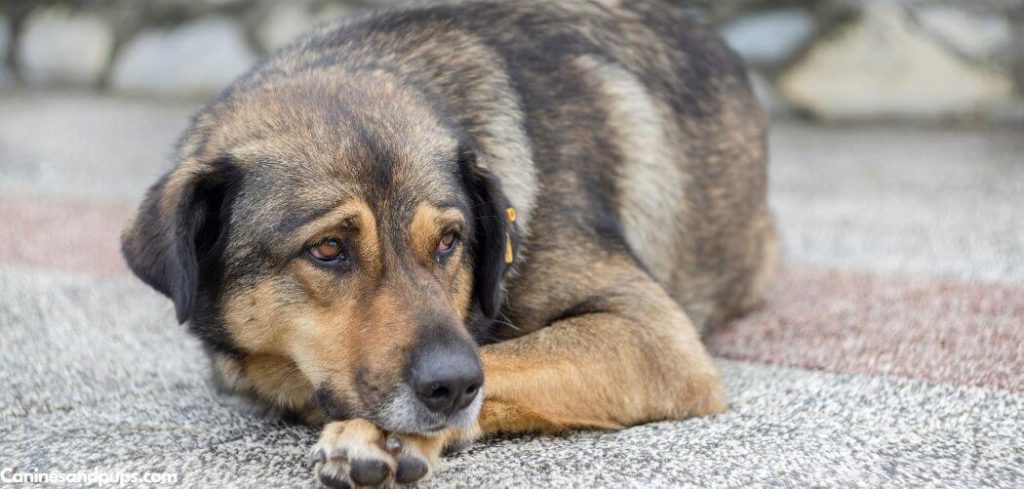
Dog Panting Before Diarrhea: Common Causes
Gastroenteritis
Gastroenteritis, or inflammation of the stomach and intestines, is a common cause of vomiting and diarrhea in dogs.
It can result from infections, parasites, medications, new foods, or other irritants. Abdominal pain and digestive upset may make a dog restless or cause panting before diarrhea occurs.
Some dogs with gastroenteritis also vomit, drool, lose their appetite, or become reluctant to have their abdomen handled.
Related: Dog Panting Before Throwing Up (Why it happens)
Dietary Indiscretion or Sudden Food Change
Eating something unusual can irritate the digestive tract and result in diarrhea.
Examples include getting into garbage, eating table scraps, consuming unfamiliar foods, or experiencing a sudden dietary change.
Digestive disease can develop from overeating, poor-quality or indigestible food, and other dietary factors.
Panting may occur because the dog feels nauseated, uncomfortable, or anxious about the sudden urge to defecate.
Abdominal Cramping or Pain
Intestinal inflammation and abnormal movement of the digestive tract can cause abdominal discomfort.
A dog experiencing abdominal pain may pant, pace, whine, repeatedly change position, or assume unusual postures.
Abdominal pain can accompany diarrhea in several gastrointestinal disorders.
Panting that is intense or persistent, particularly when combined with a painful or swollen abdomen, should not be attributed to ordinary diarrhea without veterinary assessment.
Stress-Related Diarrhea
Stress can affect gastrointestinal function in some dogs.
A stressful event, environmental change, travel, boarding, unfamiliar surroundings, or another anxiety-provoking situation may be followed by diarrhea.
Panting may occur because the dog is anxious at the same time.
However, stress should not automatically be blamed for repeated or severe diarrhea, particularly when physical symptoms such as vomiting, blood in the stool, weakness, or abdominal pain are present.
Parasites
Intestinal parasites can cause diarrhea, particularly in puppies and dogs with relevant exposure.
Depending on the parasite and severity of infection, other signs may include poor appetite, weight loss, vomiting, abdominal discomfort, or changes in stool appearance.
A dog with recurring diarrhea may need fecal testing to determine whether parasites or another intestinal disorder are involved.
Related: Dog Panting Excessively and Restless (Here’s why)
Bacterial or Viral Infection
Certain infections can cause acute diarrhea, sometimes accompanied by vomiting, fever, lethargy, or poor appetite.
Some bacterial intestinal infections cause watery or mucus-containing diarrhea and may be accompanied by fever or lethargy.
The significance of an infection depends on the dog’s age, vaccination status, exposure history, severity of diarrhea, and overall condition.
Pancreatitis
Pancreatitis can cause digestive symptoms together with abdominal pain.
Dogs with pancreatitis may develop vomiting, diarrhea, loss of appetite, weakness, and abdominal discomfort. Panting may occur as a response to pain or nausea.
A dog that is panting heavily and repeatedly while also having diarrhea, vomiting, or obvious abdominal pain should be evaluated rather than assumed to have a simple stomach upset.
Acute Hemorrhagic Diarrhea Syndrome
Acute hemorrhagic diarrhea syndrome, or AHDS, can cause a sudden onset of severe diarrhea, often with blood, and may also involve vomiting.
The rapid loss of fluid can lead to significant circulatory problems, and affected dogs may become weak or depressed.
Panting in this setting may reflect discomfort, stress, or the effects of substantial fluid loss. Bloody diarrhea that develops suddenly and becomes severe warrants immediate veterinary attention.
Toxin Exposure
Some toxic substances can cause gastrointestinal irritation and diarrhea.
Depending on the substance, a dog may also develop vomiting, excessive salivation, agitation, weakness, tremors, or other neurologic or systemic abnormalities.
If diarrhea and panting begin after a dog may have eaten something potentially harmful, contact a veterinarian promptly rather than waiting for additional signs.
Intestinal Obstruction or Other Digestive Disease
A swallowed foreign object can obstruct the digestive tract and cause gastrointestinal symptoms.
Obstruction may cause vomiting, abdominal pain, appetite loss, dehydration, and sometimes diarrhea or small amounts of stool. Other intestinal disorders can also produce diarrhea and abdominal discomfort.
Panting in this situation may reflect pain or nausea rather than the diarrhea itself.
Dehydration and Fluid Loss
Diarrhea causes loss of water and electrolytes, particularly when it is frequent or very watery.
As fluid loss increases, a dog may become weak, lethargic, dehydrated, or increasingly uncomfortable. Severe gastrointestinal fluid loss can contribute to circulatory problems and shock.
If panting becomes more pronounced as diarrhea continues, dehydration and the overall severity of the illness should be considered.
Related: Dog Panting Excessively for No Reason (Causes and when to worry)
Dog Panting Before Diarrhea but Acting Normal
A dog panting before diarrhea but acting normal may simply be experiencing mild intestinal discomfort or the stress associated with needing to pass stool.
Eating too quickly, a sudden food change, treats, dietary indiscretion, or mild gastrointestinal irritation can produce diarrhea without immediately affecting the dog’s energy or behavior.
Acting normally is reassuring, but it does not completely rule out illness.
Monitor the stool, water intake, appetite, and behavior, and seek veterinary care if the diarrhea continues, becomes frequent, contains blood, or is accompanied by persistent panting or other symptoms.
Dog Panting Before Diarrhea and Vomiting
Panting followed by diarrhea and vomiting often indicates more significant gastrointestinal upset.
Gastroenteritis, eating spoiled or inappropriate food, infections, parasites, pancreatitis, or ingestion of a toxic substance can cause several digestive symptoms at once.
Panting may occur because of nausea, abdominal discomfort, stress, or pain. A single mild episode may resolve, but repeated vomiting and diarrhea can cause rapid fluid and electrolyte loss.
Veterinary assessment is particularly important if the dog cannot keep water down, becomes weak or lethargic, has a painful or swollen abdomen, or may have eaten something toxic or indigestible.
Dog Panting Before Diarrhea and Shaking
Panting and shaking before diarrhea can occur when a dog is experiencing abdominal cramps, nausea, pain, anxiety, or significant gastrointestinal discomfort.
Some dogs tremble when they feel sick or stressed, and the combination may occur shortly before vomiting or diarrhea.
Dietary indiscretion and gastroenteritis are possible causes, but more serious problems such as pancreatitis, toxin exposure, or an intestinal obstruction can also produce these signs.
Persistent shaking, severe panting, repeated diarrhea, vomiting, weakness, abdominal pain, or collapse should be treated as a reason for immediate veterinary care.
Dog Panting Before Diarrhea at Night
A dog panting before diarrhea at night may be reacting to abdominal discomfort, nausea, anxiety, or the sudden urge to defecate.
Digestive problems can become more noticeable at night because the dog is resting and there are fewer distractions.
Eating an unusual meal or treat earlier in the day can also result in gastrointestinal symptoms several hours later.
Occasional diarrhea may be temporary, but repeated nighttime episodes, excessive panting, restlessness, vomiting, blood in the stool, or changes in appetite and energy should be evaluated by a veterinarian.
Dog Panting Before Diarrhea With Blood
Panting before bloody diarrhea can indicate gastrointestinal irritation accompanied by inflammation or bleeding in the digestive tract.
Causes range from colitis and dietary indiscretion to intestinal infections, parasites, foreign objects, pancreatitis, or other gastrointestinal disease.
A small amount of bright-red blood can occur with irritation of the lower bowel, while large amounts of blood or very dark, tarry stool can indicate more serious bleeding.
Bloody diarrhea combined with persistent panting should not be ignored, especially if the dog is vomiting, weak, painful, pale-gummed, dehydrated, or passing large amounts of blood.
When to Call or Visit the Vet
Contact a veterinarian if panting repeatedly occurs before diarrhea or if the diarrhea persists or keeps returning.
Seek immediate veterinary care if your dog has:
Frequent or severe watery diarrhea
A large amount of blood in the stool
Black or tarry stool
Repeated vomiting
A painful, swollen, or tense abdomen
Persistent or heavy panting while resting
Marked weakness or lethargy
Pale, gray, blue, or otherwise abnormal gums
Signs of dehydration
Refusal to eat or drink
Collapse or difficulty standing
Severe shaking or unusual behavior
Suspected toxin exposure
Suspected ingestion of a foreign object
Rapid worsening of symptoms
Diarrhea in a very young, elderly, or medically fragile dog
Severe diarrhea can lead to dehydration and electrolyte disturbances, while some gastrointestinal conditions can deteriorate quickly.
Dog Panting Before Diarrhea: Treatment
Treatment depends on the underlying cause and the severity of the diarrhea. The veterinarian may take a detailed history and examine a dog’s abdomen, hydration status, temperature, and overall condition.
Depending on the findings, fecal testing, blood tests, urinalysis, abdominal X-rays, ultrasound, or other diagnostic tests may be recommended.
These tests can help distinguish uncomplicated gastrointestinal upset from parasites, infection, pancreatitis, obstruction, systemic disease, or other causes.
Treatment may involve correcting dehydration and electrolyte abnormalities, managing nausea or pain when appropriate, dietary management, parasite or infection treatment, or addressing an obstruction or other underlying disease.
Severe cases such as AHDS may require intravenous fluid therapy and close monitoring.
Key Takeaway
Dog panting before diarrhea may be a response to nausea, abdominal discomfort, intestinal cramping, urgency, or stress.
A brief episode followed by a normal bowel movement and rapid return to normal behavior may be relatively mild, but the panting itself does not identify the cause.
Pay closer attention when panting occurs with repeated diarrhea, vomiting, abdominal pain, blood in the stool, weakness, poor appetite, dehydration, or persistent panting at rest. These combinations can indicate a more significant gastrointestinal or systemic problem.
If your dog is repeatedly panting before diarrhea or the episodes are becoming more frequent or severe, a veterinarian can determine whether the problem is a temporary digestive upset or requires specific treatment.


