
When a dog starts panting and shaking during a storm, the sudden change in behavior can be worrying, particularly if your dog seems frightened or unable to settle.
Storm-related reactions may be temporary, but intense or unusual symptoms deserve attention, especially when they continue after the storm has passed or occur alongside other concerning changes.
The timing of the panting and shaking, your dog’s response to thunder, lightning, wind, or changes in air pressure, and whether they are hiding, pacing, vocalizing, or struggling to breathe can help explain the behavior.
Table of Contents
Dog Panting and Shaking During Storm: Why It Happens
A dog may pant and shake during a storm because loud thunder, lightning, changes in air pressure, and other unfamiliar sounds can trigger fear or anxiety.
Panting, trembling, pacing, hiding, whining, drooling, and seeking reassurance are common signs of stress in dogs.
Some dogs become particularly distressed by thunderstorms and may try to escape or remain close to their owners.
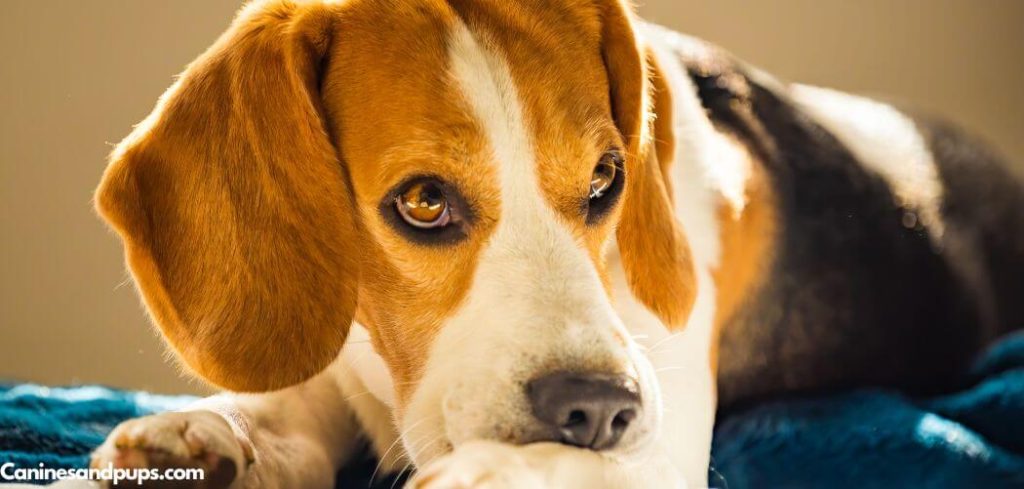
Dog Panting and Shaking During a Storm: Common Causes
Fear of Thunder
Thunder is one of the most common triggers for storm-related anxiety. Sudden, unpredictable loud noises can cause a dog’s stress response to become activated.
Some dogs react to the first thunderclap, while others become increasingly anxious as the storm continues.
Dogs with a stronger noise aversion may pace, tremble, pant heavily, hide, or attempt to escape.
Related: Dog panting excessively and restless (What it means)
Fear of Lightning and Visual Changes
Lightning flashes can contribute to storm anxiety, particularly when they occur together with thunder and other sudden environmental changes.
A dog may become alert, restless, or frightened even before the loudest thunder occurs.
Closing curtains or moving the dog to an area with fewer flashes can reduce some of the visual stimulation during a storm.
Sensitivity to Rain, Wind, and Storm Sounds
Storms produce more than thunder. Heavy rain against windows or roofs, strong wind, rattling doors, branches moving outside, and other unusual sounds can also frighten dogs.
A dog that is sensitive to one or more of these sounds may begin panting and shaking as soon as the weather changes, even before a major thunderclap occurs.
Sensitivity to Other Storm-Related Changes
Some dogs appear to react to environmental changes associated with storms in addition to the sounds and flashes.
Dogs may be sensitive to changes in barometric pressure and other conditions occurring during thunderstorms.
This may help explain why some dogs begin showing anxiety before their owners notice much thunder.
Related: Dog panting excessively and shaking (Causes and what to do)
Previous Frightening Experiences
A previous frightening experience during a storm can contribute to a stronger reaction during future storms.
Repeated exposure does not necessarily make a fearful dog become accustomed to storms. In some dogs, the response can become increasingly intense and develop into a phobia.
General Noise Sensitivity
A dog that is frightened by thunderstorms may also react to other sudden or loud noises, such as fireworks or construction sounds.
Noise aversion is relatively common in dogs, and reactions can range from mild panting and pacing to intense fear and escape attempts.
Pain or Another Medical Problem
Storm-related fear is a likely explanation when panting and shaking reliably begin with storms and disappear afterward, but not every episode of panting and trembling is caused by anxiety.
Pain, illness, overheating, breathing problems, metabolic abnormalities, and other medical conditions can also cause panting or shaking.
The context matters, particularly if the signs continue after the storm has passed or occur at other times.
A dog that suddenly develops unexplained shaking or panting when there is no obvious storm-related trigger should therefore be assessed differently from a dog with a consistent history of storm anxiety.
Related: Dog Panting and Shaking for No Reason at Night (Here’swhy)
Dog Panting and Shaking During Storm but Acting Normal Afterwards
A dog that returns to its usual behavior once the storm ends may be experiencing a fear response rather than a continuously active medical problem.
Recovery time is useful when assessing noise-related fear. Dogs with milder fear may settle relatively quickly, whereas dogs with severe phobias can remain distressed for longer periods.
If your dog consistently returns to normal after the storm but becomes intensely frightened during every storm, it may still benefit from veterinary guidance for storm anxiety.
Dog Panting and Shaking During Storm but Not Thunder
A dog does not need to react specifically to thunder for the storm to trigger anxiety.
Lightning, heavy rain, wind, pressure changes, and other environmental features can contribute to the response.
Some dogs may begin panting or trembling before thunder becomes obvious, while others react primarily to particular sounds or flashes.
Dog Panting and Shaking During Storms and Hiding
Hiding is another common fear response. A frightened dog may seek a bathroom, closet, corner, under furniture, or another enclosed area where the storm seems less noticeable.
Providing access to a familiar, secure area can help the dog feel safer. Reducing exposure to storm sounds and flashes when possible and providing a safe, secure environment during storms helps.
Dog Panting and Shaking During Storm Every Time
If your dog pants and shakes during every storm, the repeated pattern may indicate an established storm phobia rather than a one-time fright.
This is worth discussing with a veterinarian, particularly if the reaction is becoming stronger over time.
Behavioral treatment for storm fears can include gradual desensitization and counterconditioning, which are designed to create a more positive response to storm-related stimuli.
For dogs with severe storm anxiety, veterinarians may also consider medication as part of a broader treatment plan.
Medications for storm phobia should be selected and prescribed by a veterinarian because the appropriate treatment depends on the individual dog and the severity of the reaction.
When to Call or Visit the Vet
Contact your veterinarian if your dog repeatedly has intense reactions to storms, especially if the fear appears to be worsening or takes a long time to resolve.
Veterinary assessment is particularly important if your dog has:
Extremely intense or prolonged panting and shaking
Repeated attempts to escape or injure itself while frightened
Severe restlessness or inability to settle
Signs of breathing difficulty rather than ordinary stress panting
Collapse, marked weakness, or confusion
Vomiting or diarrhea associated with severe episodes
Shaking or panting when there is no storm or other obvious trigger
Pain, coughing, or other signs of illness
A major change in behavior compared with previous storms
Fear that is becoming progressively more severe
A veterinarian can help determine whether the signs are consistent with storm anxiety or whether another medical problem could be contributing.
Dog Panting and Shaking During Storm: Treatment
Treatment depends on the severity of the storm-related fear and whether any medical condition is contributing.
The veterinarian may assess the dog’s overall health and behavioral history and determine whether the reaction is consistent with noise or storm phobia.
For recurring storm fear, treatment can include behavior modification such as gradual desensitization and counterconditioning, along with environmental strategies that reduce exposure to frightening sights and sounds.
Dogs with severe phobias may require veterinary-prescribed medication as part of the treatment plan.
Key Takeaway
A dog panting and shaking during a storm is often showing fear or anxiety triggered by thunder, lightning, rain, wind, or other storm-related stimuli.
Panting, trembling, pacing, hiding, whining, and restlessness are common signs of canine stress and noise fear.
If your dog returns to normal after the storm, the pattern is more consistent with a storm-related fear response, but that does not mean severe anxiety should simply be ignored.
Dogs with intense or recurring storm phobias can benefit from veterinary assessment and a structured behavioral treatment plan.
If the panting or shaking occurs outside storms, lasts well after the storm ends, or is accompanied by breathing difficulty, weakness, collapse, pain, or other unusual symptoms, a veterinarian should evaluate your dog to look for a medical cause rather than assuming it is anxiety.