
When your dog is panting heavily and seems unable to lie down, it’s a clear sign that something is wrong.
This combination of symptoms can indicate anything from pain to serious heart or lung conditions.
Table of Contents
Dog Panting and Can't Lie Down: Why It Happens
A dog that is panting and unable to lie down comfortably is often experiencing pain, anxiety, overheating, or an underlying medical problem affecting breathing or circulation.
Conditions such as heart disease, abdominal discomfort (including bloating or gas), respiratory illness, or fever can make it difficult for a dog to settle.
Some dogs may also pace, sit repeatedly, or change positions frequently because lying down worsens their discomfort.
This combination of symptoms should be taken seriously, especially if it appears suddenly or continues for more than a short period.
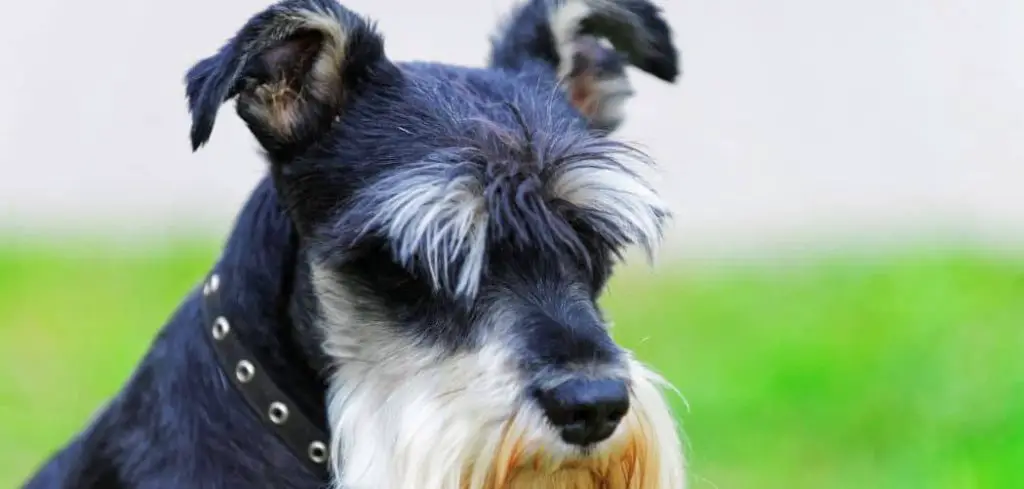
Dog Panting and Can’t Lie Down: Common Causes
Heart Disease
Heart problems, such as congestive heart failure, make it harder for a dog to circulate oxygen effectively. Panting is the body’s way of trying to compensate.
When lying down, especially on their side, fluid buildup in the lungs can make breathing even harder. This forces them to stay upright and restless.
If untreated, this condition can quickly become life-threatening.
Read more: Dog Panting and Can’t Walk (Here’s why)
Respiratory Distress
Diseases affecting the lungs, such as pneumonia or bronchitis, can cause labored breathing and panting.
Lying down can compress the chest and worsen airflow, making dogs instinctively avoid the position.
Other signs may include coughing, wheezing, or a bluish tinge to the gums.
Pain or Injury
Injuries to the chest, abdomen, or spine can make lying down uncomfortable or even impossible.
Pain triggers panting as part of the body’s stress response. Dogs may pace, stand, or constantly shift because they cannot find a position that doesn’t hurt.
These cases often require prompt veterinary care to diagnose and manage the underlying injury.
Bloat (Gastric Dilatation-Volvulus)
Bloat is a medical emergency where the stomach fills with gas and can twist on itself. Dogs with bloat often pant, pace, and refuse to lie down due to severe abdominal pain.
The distended stomach can also press on the diaphragm, making breathing harder.
Without immediate treatment, this condition is fatal.
Heat Stress or Heatstroke
Overheating can make a dog pant excessively as they try to cool down.
Restlessness and an inability to settle are common as they search for relief. If lying down feels too warm or uncomfortable, they will remain standing.
Severe heatstroke can cause organ damage, so rapid cooling and veterinary attention are essential.
Anxiety or Panic
Dogs experiencing extreme anxiety may pant and pace continuously. Fear or panic can make it impossible for them to relax enough to lie down.
This could be triggered by loud noises, separation anxiety, or an unfamiliar environment.
While anxiety is not always an emergency, persistent episodes can harm your dog’s health over time.
My Dog Keeps Panting and Won’t Settle at Night
A dog that pants continuously and cannot settle at night may be experiencing discomfort, anxiety, pain, or an underlying health condition that becomes more noticeable during rest.
Nighttime panting is commonly associated with heart disease, respiratory problems, cognitive dysfunction in older dogs, gastrointestinal discomfort, or fever.
It may also occur in stressed or anxious dogs who struggle to relax in quiet environments.
If this behavior happens repeatedly, it should not be ignored. Especially in senior dogs or when combined with restlessness, coughing, or difficulty lying down, veterinary evaluation is important to identify the cause and improve comfort.
What to Do If Your Dog Is Panting and Can’t Lie Down
First, assess the environment. Remove any obvious stressors and ensure your dog has a cool, quiet space with access to fresh water.
If heat is a concern, move your dog to a shaded area or indoors with good ventilation. Use cool (not cold) water on their paws and belly to help them cool down.
If you suspect pain, injury, or illness, keep your dog calm and limit their movement until a vet can examine them.
Avoid forcing them to lie down, as this may worsen their discomfort or breathing difficulty.
Stay observant and note any other symptoms such as coughing, vomiting, weakness, or abdominal swelling.
When to Call or Visit Your Vet
Seek emergency veterinary care immediately if your dog is showing signs of severe breathing difficulty, collapse, pale or blue gums, or a distended abdomen.
Heart disease, bloat, and respiratory failure can deteriorate rapidly and require urgent treatment.
Even if the symptoms seem mild, prolonged panting and refusal to lie down should be evaluated as soon as possible to rule out serious conditions.
Read more: Dog Panting and Can’t Stand Up (Here’s Why)
Key Takeaway
Panting and an inability to lie down usually mean your dog is in discomfort or distress. Causes range from anxiety and overheating to critical medical emergencies like heart failure or bloat.
Stay calm, observe closely, and act quickly if symptoms worsen. When in doubt, contacting your veterinarian promptly can save your dog’s life.


