
Dogs can sometimes display a mix of physical and behavioral symptoms that leave owners worried.
Panting and clinginess, when they appear together, may indicate anything from mild anxiety to a serious medical condition that needs prompt care.
Learn the common causes behind a dog panting and being clingy, what you can do to provide relief at home, and when professional veterinary care is needed.
Table of Contents
Dog Panting and Being Clingy: Why It Happens
Dog panting paired with clingy behavior often signals that something is making your dog uncomfortable, stressed, or unwell. Anxiety, pain, heat stress, hormonal changes, and certain illnesses can all trigger this combination of symptoms.
Your dog may be trying to stay close for comfort while also struggling to regulate body temperature or cope with internal discomfort.
Sometimes, it’s simply a sign of emotional distress, but other times it can indicate an urgent health issue.
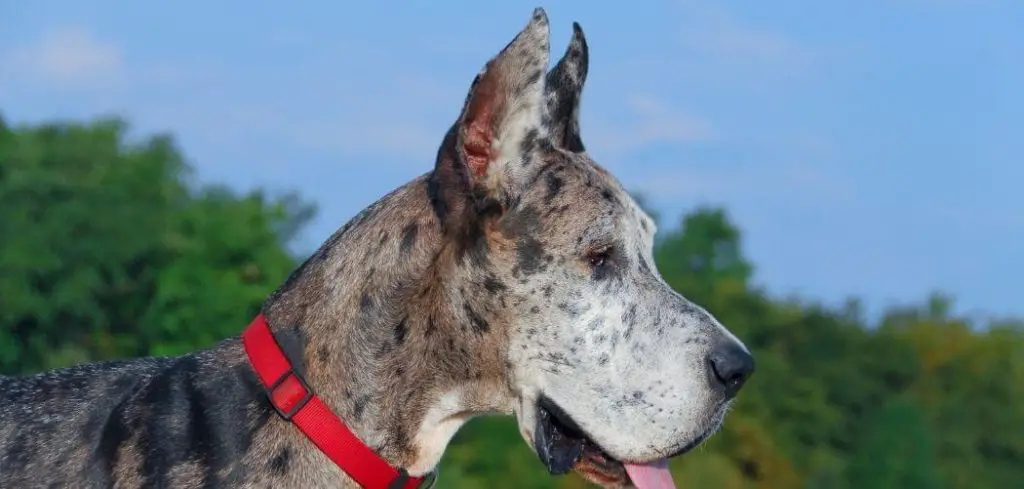
Dog Panting and Being Clingy: Common Causes
Anxiety and Stress
Dogs experiencing anxiety may pant excessively and seek constant reassurance from their owners.
This might be triggered by thunderstorms, fireworks, new environments, or separation anxiety.
Panting is a physical sign of stress as the body releases adrenaline. Clinginess is your dog’s way of finding safety.
While occasional anxiety is normal, persistent stress can harm your dog’s emotional and physical health.
Read more: Dog shaking and clingy (Here’s why)
Pain or Injury
Pain from arthritis, dental issues, or injuries can cause panting due to discomfort and increased heart rate. Your dog may also stay close to you for security and support.
Panting in these cases is a response to pain, and clinginess is a way to seek comfort. This is especially common in older dogs or those recovering from surgery or trauma.
Heat Stress or Heatstroke
When dogs overheat, they pant to cool themselves down. If your dog also becomes clingy, it might be a sign they’re feeling vulnerable or distressed.
Heatstroke can escalate quickly and is life-threatening. In addition to panting and staying close, you might notice drooling, lethargy, or vomiting.
Illness or Internal Discomfort
Conditions such as heart disease, respiratory problems, or infections can cause labored breathing and panting.
A sick dog may become clingy because they feel weak or scared.
These cases often require veterinary attention to diagnose and manage the underlying illness.
Hormonal Changes
Dogs with hormonal imbalances, such as hypothyroidism or Cushing’s disease, may pant more and show changes in behavior, including clinginess.
Fluctuations in hormones can affect mood, energy levels, and temperature regulation, making your dog seek extra comfort.
Cognitive Decline in Older Dogs
Senior dogs with canine cognitive dysfunction may pant and become more dependent on their owners due to confusion or anxiety.
They might follow you from room to room or show restlessness at night. This combination of symptoms can signal age-related changes that benefit from veterinary support.
Read more: Old dog syndrome (Signs, causes and treatment)
Dog Being Clingy and Panting for Hours at Random Times
A dog that becomes clingy and pants for hours without an obvious reason may be experiencing anxiety, stress, pain, overheating, or another medical problem.
Dogs sometimes seek constant proximity to their owners when they feel uncomfortable or insecure.
If the behavior is new or occurs repeatedly, consider whether there are other changes such as restlessness, pacing, reduced appetite, vomiting, increased thirst, coughing, or difficulty settling.
Panting that continues for hours while the dog is resting should be discussed with a veterinarian, particularly when there is no obvious environmental cause.
Dog Panting and Being Clingy and Shaking
Panting, clinginess, and shaking together can indicate fear, anxiety, pain, nausea, fever, or general physical distress.
A frightened dog may seek reassurance from its owner while trembling and panting, but these signs can also occur with an underlying illness.
Sudden or severe symptoms warrant closer attention. If the dog has vomiting, weakness, pale or blue gums, difficulty breathing, abdominal swelling, confusion, seizures, or collapse, seek emergency veterinary care.
Dog Panting and Being Clingy at Night
Panting and clinginess at night may be caused by anxiety, discomfort, pain, environmental changes, or age-related behavioral changes.
Some dogs become more unsettled when the house becomes quiet and they are separated from their owner.
If nighttime panting is persistent, especially while the dog is resting, it can also be associated with pain, heart or respiratory disease, or other medical conditions.
A new nighttime behavior accompanied by pacing, whining, coughing, appetite changes, confusion, or difficulty lying down should be evaluated by a veterinarian.
Old Dog Panting and Being Clingy
An old dog that suddenly becomes panting and unusually clingy may be experiencing pain, anxiety, cognitive changes, or an underlying medical condition.
Arthritis and other painful conditions can make a senior dog seek reassurance, while reduced hearing or vision can make it feel more vulnerable.
Heart or respiratory disease, hormonal disorders, gastrointestinal problems, and other illnesses can also cause increased panting and behavioral changes.
Because sudden changes are more significant in senior dogs, persistent panting or a noticeable increase in clinginess warrants veterinary assessment.
Do Dogs Get Clingy at the End of Life?
Yes, some dogs may become more clingy near the end of life, seeking comfort and staying close to familiar people. However, clinginess alone does not mean that a dog is dying.
Anxiety, pain, illness, reduced senses, and cognitive changes can produce the same behavior in dogs that may still have treatable conditions.
End-of-life decline is usually accompanied by several other changes, such as profound weakness, reduced appetite or drinking, difficulty standing, decreased responsiveness, breathing changes, confusion, loss of bladder or bowel control, and reduced interest in normal activities.
A sudden change should therefore be assessed by a veterinarian rather than assumed to be an end-of-life sign.
Read more: Old dog behavior before death (Common signs)
What to Do If Your Dog Is Panting and Being Clingy
Start by observing your dog for other symptoms such as coughing, limping, vomiting, or changes in appetite. If you suspect heat stress, move your dog to a cooler area and offer fresh water.
Provide a calm, quiet space where your dog feels safe. Sometimes, reducing external stressors like loud noises or chaotic environments can help.
If pain is suspected, avoid activities that might worsen discomfort until you can consult your vet. Gentle reassurance and staying nearby can help ease anxiety.
For anxiety triggers you can’t avoid, try using calming aids like pheromone diffusers or anxiety wraps, but always pair them with a long-term behavior management plan.
When to Call or Visit Your Vet
Seek immediate veterinary help if your dog’s panting is heavy, labored, or accompanied by pale gums, collapse, or severe weakness.
Panting that doesn’t resolve with rest or cooling, or clinginess combined with signs of pain, lethargy, or confusion, also warrants prompt evaluation.
Chronic or worsening symptoms should never be ignored, as they can indicate progressive illnesses that require early intervention.
Read more: Dog Panting and Barking (Should you worry?)
Key Takeaway
Panting and clinginess in dogs can be rooted in anything from mild stress to serious health problems. Pay attention to changes in your dog’s behavior and physical condition.
When in doubt, err on the side of caution and seek veterinary advice. Acting early can make all the difference in keeping your dog safe, comfortable, and happy.