
If your dog refuses food throughout the day but eats normally at night, it can be confusing and concerning.
A change in eating patterns often makes owners wonder whether their dog is being picky, anxious, or facing a health issue.
We outline the common reasons for a dog only eating at night, what you can do at home, and when to seek veterinary help.
Table of Contents
Dog Only Eats at Night: Why It Happens
When a dog only eats at night, the cause is often related to routine, anxiety, environment, or medical issues. Some dogs are naturally more comfortable eating after the household has quieted down, while others may avoid food in the daytime due to stress or distractions.
Temperature, digestion patterns, and even pain or nausea can also influence when they feel comfortable eating.
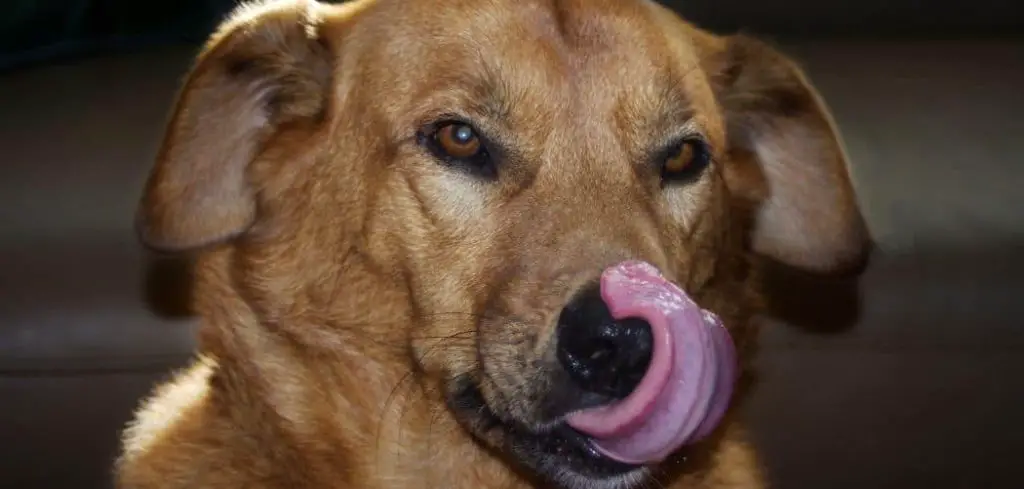
Is It Bad if My Dog Only Eats at Night?
It is not necessarily bad if a dog prefers to eat at night, particularly if it is otherwise active, drinking normally, maintaining a healthy weight, and eating an adequate amount each day.
Some dogs naturally develop a preference for eating later, especially if their routine, activity level, or feeding schedule has changed.
However, a new preference for nighttime eating can sometimes indicate an underlying problem.
Dental pain, nausea, stress, medication effects, gastrointestinal problems, or other illnesses may reduce appetite during the day.
If the change is sudden, persistent, or accompanied by weight loss, vomiting, diarrhea, lethargy, or difficulty eating, a veterinary examination is appropriate.
Read more: Dog Only Eats When Hand Fed (Here’s Why)
Dog Only Eats at Night: Common Causes
Daytime Stress or Anxiety
Some dogs feel too anxious or distracted during the day to eat. Noise from children, other pets, or household activity can make them avoid food until nighttime, when things are calmer.
This behavior is more common in nervous or easily startled dogs.
Read more: Dog Only Wants Human Food (How to handle picky eating)
Learned Feeding Habits
Dogs thrive on routine. If they’ve become used to receiving food at night—whether because you fed them late once or because their daily schedule changed—they may begin to hold out until evening. Over time, this pattern becomes reinforced.
Cooler Evening Temperatures
Dogs may be less interested in eating during hot daytime hours, especially in warmer climates or during summer.
At night, when it’s cooler, they feel more comfortable eating. This is particularly common in dogs with thick coats or breeds prone to overheating.
Medical Issues Affecting Appetite
Some health problems can make dogs reluctant to eat during the day. Nausea, acid reflux, or dental pain may be worse at certain times, causing them to delay eating until they feel better.
Gastrointestinal discomfort often fluctuates, which may explain why appetite improves at night.
Attention-Seeking Behavior
Dogs may hold off on eating until night if that’s when they get more attention from their owners.
If you spend more time engaging with your dog in the evening, they may link dinnertime with closeness, leading to a preference for eating at night.
Feeding Environment
The location or type of bowl can influence feeding habits. Some dogs dislike eating in busy areas during the day, while others may find noisy metal bowls off-putting.
A calm and quiet nighttime environment may make them more willing to eat.
Dog Only Eats and Drinks at Night
A dog that only eats and drinks at night may simply have developed a nighttime routine, but the combination can be more significant if it represents a recent change.
Increased nighttime drinking may occur because the dog is not drinking enough during the day, but persistent excessive thirst can also accompany conditions such as diabetes, kidney disease, or hormonal disorders.
Monitor how much your dog eats and drinks over a full 24-hour period rather than focusing only on the timing.
Also watch for increased urination, weight loss, vomiting, changes in energy, or changes in appetite. A persistent change in eating and drinking patterns should be discussed with a veterinarian.
Dog Only Eats Late at Night
A dog that only eats late at night may be responding to its daily routine, household activity, exercise schedule, or feeding habits.
Some dogs are less interested in food during busy daytime hours and eat when the environment becomes quiet.
If your dog is otherwise healthy and consuming enough food to maintain its weight, the timing alone is usually less concerning than the total amount eaten.
However, a sudden shift to late-night eating can sometimes occur with nausea, dental discomfort, stress, or illness, particularly if the dog is eating less overall.
My Dog Only Eats at Midnight
If your dog only eats at midnight but otherwise behaves normally and consumes enough food, the timing itself is not necessarily harmful.
Dogs can develop strong feeding preferences based on routine, previous feeding schedules, household activity, or learned behavior.
The concern increases if your dog previously ate during the day and has suddenly stopped doing so.
Reduced daytime appetite can occur with dental problems, gastrointestinal discomfort, pain, stress, or other illness.
If midnight eating is accompanied by weight loss, vomiting, diarrhea, lethargy, increased thirst, or difficulty chewing, have your dog evaluated by a veterinarian.
Puppy Only Eats at Night
A puppy that only eats at night deserves closer attention because puppies have higher nutritional and energy requirements and generally need regular meals throughout the day.
A puppy that consistently refuses daytime meals may not be consuming enough calories to support normal growth.
Stress, a recent change in food, parasites, gastrointestinal upset, teething discomfort, or illness can reduce a puppy’s daytime appetite.
If the puppy is eating very little overall, failing to gain weight, vomiting, having diarrhea, becoming unusually sleepy or weak, or refusing water, veterinary assessment should be sought immediately.
Old Dog Only Eats at Night
An old dog that only eats at night may simply have developed a new routine, but a new change in eating time in a senior dog should not automatically be attributed to aging.
Dental pain, nausea, gastrointestinal disease, pain, reduced senses, medication effects, or age-related cognitive changes can alter feeding behavior.
Pay particular attention to whether the dog is eating enough overall and maintaining its weight.
Increased thirst or urination, weight loss, vomiting, diarrhea, weakness, confusion, difficulty chewing, or reduced appetite at other times of the day can indicate an underlying health problem and warrant veterinary evaluation.
What to Do If Your Dog Only Eats at Night
If your dog is otherwise healthy, try adjusting their feeding environment and schedule. Offer meals in a quiet location with minimal distractions, and avoid free-feeding throughout the day.
Instead, establish set meal times and pick up the food after 15–20 minutes if your dog doesn’t eat. You can also try feeding smaller portions more frequently to encourage regular eating.
Make sure water is always available and consider switching bowls if your dog seems hesitant. Consistency is important—over time, most dogs adapt to daytime feeding once the routine is reinforced.
When to Call or Visit Your Vet
Contact your veterinarian if your dog consistently refuses food until night and shows signs of weight loss, lethargy, vomiting, or dental discomfort.
A sudden change in eating patterns can signal underlying illness, especially in puppies, senior dogs, or those with pre-existing health conditions.
Persistent appetite changes should not be ignored, as they can point to gastrointestinal issues, dental disease, or metabolic problems.
Your vet may recommend diagnostic tests to rule out medical causes and provide peace of mind.
Key Takeaway
If your dog only eats at night, it may be due to anxiety, environment, or a learned routine, but medical issues can also play a role.
Creating a calm, consistent feeding schedule and adjusting your dog’s environment can often resolve the problem.
If the behavior continues or is accompanied by other concerning symptoms, a veterinary check is the safest way to ensure your dog’s health and well-being.


