
It’s stressful when your dog suddenly stops pooping. You’re left checking the yard, taking longer walks, and worrying that something might be wrong.
Constipation in dogs can cause discomfort, restlessness, or even more serious complications if left untreated.
We outline the common reasons why a dog may not be pooping, what you can do at home, and when to seek veterinary care.
Table of Contents
Dog Not Pooping: Why It Happens
A dog not pooping may be constipated due to dehydration, dietary issues, blockages, or underlying health conditions. Sometimes the problem is minor, like lack of fiber or too little exercise — but it can also signal something more serious like an obstruction or pain-related issue.
Dog Not Pooping but Acting Normal
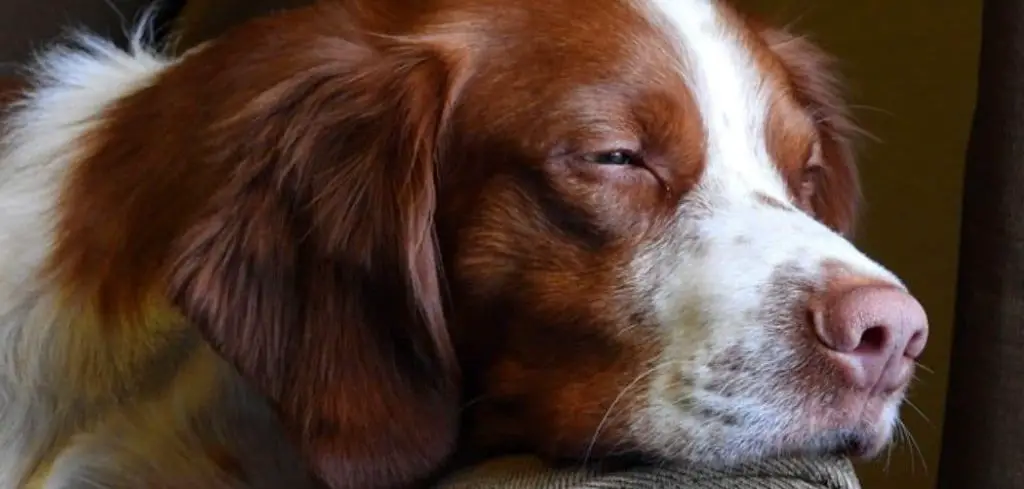
A dog that has not pooped but otherwise seems normal may simply have reduced stool production from eating less, dietary changes, stress, or a temporary digestive slowdown.
Some dogs occasionally skip a bowel movement without having a serious problem, especially if they have recently had diarrhea or reduced appetite.
However, if the dog continues going without stool for more than 1–2 days, or begins straining, vomiting, or showing discomfort, constipation or obstruction becomes more likely.
Monitoring stool habits closely is important even if the dog still appears active and alert.
Dog Not Pooping: Common Causes
1. Dehydration
One of the most common reasons for constipation in dogs is dehydration. When your dog doesn’t drink enough water, the colon absorbs more moisture from the stool, making it hard and difficult to pass.
Dehydration can result from hot weather, illness, vomiting, or not drinking due to nausea. You might notice dry gums, lethargy, or your dog avoiding their water bowl.
Always make sure your dog has access to clean, fresh water. Wet food or adding water to kibble can also help boost hydration naturally.
Read more: Dog Not Pooping and Not Eating (What it could mean)
2. Lack of Fiber or Poor Diet
A low-fiber diet can slow digestion and make stool harder to pass. Dogs who eat mostly meat without any fiber sources — or who consume too many processed treats — often experience irregular bowel movements.
Fiber adds bulk to the stool and stimulates healthy movement through the intestines. Without it, waste may sit too long in the colon, drying out.
Feeding a high-quality diet with balanced fiber (like pumpkin or vegetables recommended by your vet) helps regulate digestion and prevent constipation over time.
3. Swallowing Foreign Objects
Dogs are notorious for chewing and swallowing things they shouldn’t — toys, bones, fabric, or even sticks. These can cause a blockage in the intestines, stopping stool from passing entirely.
A dog with an intestinal blockage may strain but produce little or no stool. Other signs include vomiting, loss of appetite, abdominal pain, and lethargy.
This is a medical emergency. If your dog hasn’t pooped for more than 48 hours and shows these symptoms, see a vet immediately. Surgery or endoscopic removal may be needed to clear the obstruction safely.
4. Lack of Exercise
Dogs need regular physical movement to keep their digestive systems working efficiently. Sedentary dogs, especially older or overweight ones, may struggle with slow gut motility.
Exercise helps stimulate bowel contractions naturally. A dog that lies around most of the day may simply not be moving enough to encourage a bowel movement.
Taking longer walks, playing fetch, or incorporating gentle daily activity can often resolve mild constipation. Routine and consistency matter more than intensity.
5. Anal Gland Problems
If your dog’s anal glands are full, swollen, or infected, pooping can become painful — and they may try to avoid it altogether.
You might notice scooting, licking around the rear, or whining when trying to defecate. Over time, this can lead to constipation or even anal abscesses.
Your vet can manually express or treat infected anal glands. Keeping them healthy with regular vet visits and a balanced diet (including fiber) helps prevent recurring issues.
6. Pain or Orthopedic Issues
Painful conditions like arthritis, hip dysplasia, or back injuries can make squatting difficult. Your dog might want to poop, but avoids the position because it hurts.
You may notice pacing, whining, or attempts to defecate followed by stopping abruptly. This type of constipation is often physical rather than digestive.
Pain management, anti-inflammatory medication, or supportive harnesses prescribed by your vet can make elimination easier and more comfortable for your dog.
7. Medication Side Effects
Certain medications — such as antihistamines, diuretics, and pain relievers — can slow bowel movements as a side effect. These drugs reduce fluid balance or alter muscle activity in the intestines.
If your dog recently started a new medication and hasn’t pooped since, check the prescription sheet for constipation warnings. Never stop a medication abruptly without consulting your vet, but do mention changes in bowel habits during follow-ups.
Dog Not Pooping after Diarrhea
It is fairly common for a dog not to poop for a short time after diarrhea because the intestines may have already emptied much of their contents.
The digestive system often needs time to recover and refill before normal bowel movements resume.
However, if the dog continues not pooping for more than a couple of days, especially after severe diarrhea, dehydration, or intestinal irritation may be slowing bowel movement.
Veterinary evaluation is required if vomiting, lethargy, bloating, or appetite loss develops.
Dog Not Pooping on Bland Diet
Dogs on a bland diet, such as boiled chicken and rice, may poop less often because these foods are highly digestible and produce smaller amounts of stool.
Reduced bowel movements for a short period can therefore be normal while the digestive system recovers from diarrhea or stomach upset.
However, a complete absence of stool for several days may indicate constipation, dehydration, or slowed intestinal movement. Monitoring hydration, appetite, and comfort is important while transitioning back to normal food gradually.
Dog Not Pooping and Throwing Up
Vomiting along with an inability to poop is a major warning sign for intestinal blockage or severe gastrointestinal disease.
Dogs with obstructions may repeatedly vomit because food and fluid cannot move normally through the intestines. Other causes include severe constipation, pancreatitis, or ingestion of foreign objects.
This condition requires immediate veterinary attention, particularly if vomiting is frequent or the dog appears weak, bloated, or in pain. Delaying treatment can allow dehydration and intestinal damage to worsen.
Dog Not Pooping and Lethargic
A dog that is both lethargic and unable to poop may be dealing with more than simple constipation.
Possible causes include intestinal blockage, severe constipation, dehydration, infection, pain, or underlying illness affecting the digestive system.
Lethargy suggests the dog is feeling unwell and may be experiencing discomfort or toxin buildup.
This combination should be taken seriously, especially if the dog also refuses food, vomits, or has a swollen abdomen.
Veterinary evaluation is important because untreated digestive obstruction or severe constipation can become dangerous quickly.
Dog Not Pooping or Eating
A dog that is neither pooping nor eating may have a significant digestive or systemic illness. Possible causes include intestinal blockage, severe constipation, pancreatitis, infection, pain, or organ disease.
Loss of appetite combined with lack of stool suggests the digestive system may not be functioning normally.
This combination is more concerning than constipation alone. If the dog also vomits, becomes lethargic, or has abdominal swelling, urgent veterinary assessment is needed because conditions like intestinal obstruction can become life-threatening quickly.
Dog Not Pooping or Peeing
A dog unable to poop or pee may have a severe obstruction, neurological problem, dehydration, or advanced illness affecting multiple body systems.
Difficulty with both urination and defecation can indicate pressure in the abdomen or pelvis, spinal issues, or severe pain preventing normal elimination.
This situation is considered an emergency, especially if the dog is straining, crying, bloated, vomiting, or weak.
Inability to urinate alone can quickly become life-threatening, and combined urinary and bowel problems require immediate veterinary attention.
Dog Not Pooping but Eating
A dog that is still eating despite not pooping may have mild constipation, reduced stool production, or temporary digestive slowing.
Diet changes, lack of exercise, dehydration, or stress can sometimes delay bowel movements without affecting appetite right away.
However, continued eating does not rule out constipation or blockage. If the dog goes several days without stool, strains repeatedly, or develops vomiting or discomfort, veterinary assessment is recommended to determine the cause.
Dog Not Pooping after Neuter
Some dogs may temporarily have fewer bowel movements after neutering because of anesthesia effects, reduced appetite, pain medication, or stress from surgery.
Decreased activity and mild dehydration after the procedure can also slow intestinal movement.
Most dogs should begin passing stool normally within a day or two. If the dog strains, seems painful, vomits, or goes several days without pooping, veterinary advice is required to rule out constipation or post-surgical complications.
Dog Not Pooping in Cold Weather
Cold weather can reduce activity levels and make some dogs reluctant to spend enough time outside to fully relieve themselves.
Less exercise and mild dehydration during winter months may also contribute to constipation or delayed bowel movements.
Most dogs resume normal bathroom habits once they adapt to the weather or have a more comfortable outdoor setup. However, if the lack of stool continues for several days or is accompanied by discomfort, vomiting, or appetite changes, veterinary evaluation is important.
Dog Not Pooping in Snow
Some dogs avoid pooping in snowy conditions because they dislike the cold, wet sensation on their paws or feel uncomfortable outside in harsh weather.
Changes in routine, unfamiliar ground texture, or stress from snow can make dogs reluctant to eliminate normally.
Providing a cleared area, encouraging short walks, and keeping the dog warm may help. If the dog continues refusing to poop for an extended period or begins straining, constipation or stress-related digestive slowing may develop.
Old Dog Not Pooping
An older dog that is not pooping may be dealing with constipation, dehydration, reduced intestinal movement, arthritis pain while squatting, or an underlying disease.
Senior dogs are more prone to digestive slowing, enlarged prostate issues in males, tumors, or neurological conditions that interfere with bowel movements.
Because constipation can become more serious in older dogs, prolonged inability to pass stool should not be ignored.
If the dog also seems weak, uncomfortable, or unwilling to eat, veterinary care is important to identify and treat the underlying cause.
Home Remedies for Dog Constipation
Start by staying calm and assessing how long it’s been since your dog last had a bowel movement. Some dogs may skip a day occasionally, but more than 48 hours without pooping should raise concern.
Encourage hydration by offering clean water and, if necessary, adding low-sodium broth or water to their meals. You can also mix canned pumpkin (pure, not pie filling) or a vet-approved fiber supplement into their food. These ingredients soften stool naturally and promote gentle movement.
Increase your dog’s physical activity with short walks or playtime — even mild movement helps the intestines work.
Check for signs of discomfort, bloating, or straining. If your dog seems in pain, don’t attempt to treat the constipation with over-the-counter laxatives or enemas unless explicitly prescribed. Human products can be toxic or worsen the issue.
Lastly, make sure your dog’s diet contains adequate fiber and not too many fatty treats. A consistent feeding schedule and routine potty times help the digestive system stay regular.
Signs of Serious Dog Constipation: When to Visit Your Vet
Serious constipation in dogs often involves more than simply skipping a bowel movement.
Contact your vet if your dog hasn’t pooped for 48 hours or more, especially if accompanied by vomiting, loss of appetite, bloating, or signs of pain. These symptoms are warning signs that may indicate an intestinal blockage rather than simple constipation.
Also, call your vet if your dog strains without producing stool, passes small amounts of liquid or mucus, or cries while trying to defecate. These can be signs of impaction or anal gland issues requiring professional care.
If your dog is a senior, has a history of digestive issues, or is taking medication that affects motility, don’t delay seeking help. Early treatment — such as fluids, stool softeners, or manual evacuation — can prevent severe complications.
In emergencies, such as vomiting or a swollen abdomen, go to an emergency clinic immediately. A complete blockage can be life-threatening if untreated.
Read more: Dog not pooping and throwing up (How to know when to worry)
Dog Not Pooping: Treatment
Veterinary treatment for constipation depends on the severity and underlying cause. A vet may perform a physical examination and sometimes X-rays to check for obstruction or stool buildup.
Mild cases may be treated with stool softeners, enemas, or medications that stimulate intestinal movement.
In more severe cases, especially if there is dehydration or blockage, the dog may need fluid therapy or manual removal of impacted stool.
If constipation is caused by another condition, such as nerve issues, an enlarged prostate, or diet problems, the vet will treat the root cause to prevent recurrence.
Early treatment is important to avoid complications like megacolon or severe intestinal discomfort.
Diet Changes to Prevent Constipation
Diet plays a major role in preventing constipation in dogs. A balanced diet with enough fiber helps keep stool soft and supports healthy bowel movement.
Adding safe fiber sources such as pumpkin, sweet potato, or veterinarian-approved high-fiber dog food can improve digestion and stool regularity.
Switching to a more moisture-rich diet, like wet food, can also help because dehydration is a common cause of constipation.
It is also important to avoid sudden diet changes, as abrupt switches can disrupt digestion and worsen bowel issues.
Consistent feeding times, high-quality food, and ensuring the dog drinks enough water daily all help maintain healthy intestinal movement and reduce the risk of constipation.
Key Takeaway
A dog not pooping might simply be constipated from dehydration or lack of fiber, but it can also signal something more serious like a blockage or illness.
Monitor your dog’s habits, keep them hydrated, and encourage movement.
If your dog hasn’t pooped for two days or seems uncomfortable, don’t wait — veterinary care can quickly identify and resolve the problem. With early attention, most cases of constipation can be treated easily, keeping your dog healthy, happy, and regular.


