
Traveling with your dog can be exciting, but it can quickly become stressful if they refuse to urinate during the journey. Many dogs become so distracted, anxious, or uncomfortable in unfamiliar places that they hold their bladder for much longer than usual.
While this is often temporary, a dog that goes too long without peeing may become uncomfortable or develop a more serious urinary problem.
In this guide, we explain the common reasons for a dog not peeing on a road trip. Knowing the difference between normal travel-related hesitation and a medical emergency can help keep your dog safe throughout your trip.
Table of Contents
Dog Not Peeing on Road Trip: Why It Happens
A dog may not pee on a road trip because unfamiliar surroundings, stress, changes in routine, limited opportunities to stop, or mild dehydration make them reluctant to urinate.
Urinary tract problems, pain, or a urinary obstruction can also make it difficult or impossible to urinate.
Many dogs prefer familiar scents and locations before relieving themselves and may hold their urine longer than usual while traveling.
However, repeated straining without producing urine, signs of pain, or prolonged inability to urinate should always be treated as a potential medical emergency.
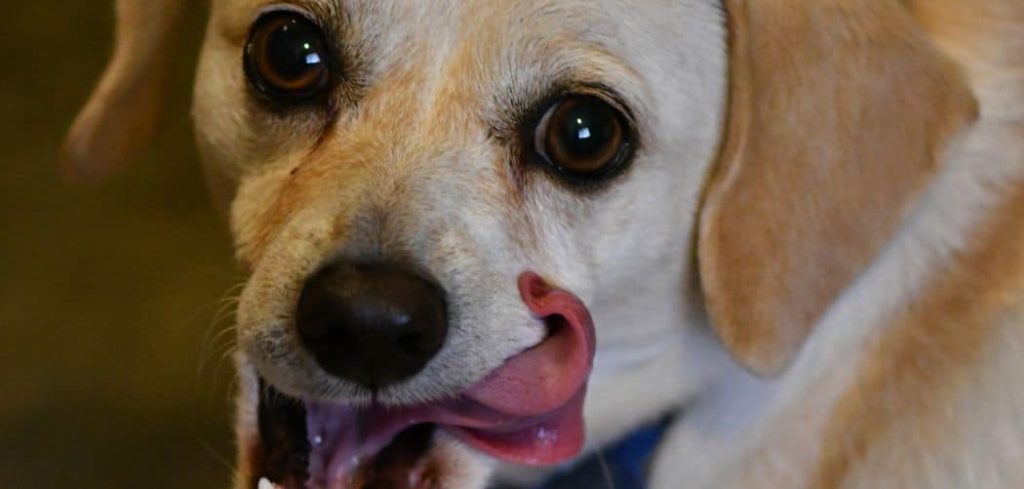
Some dogs simply wait until they feel comfortable, while others show signs that indicate a more serious problem.
Common signs include:
Refusing to urinate during rest stops
Sniffing around but not peeing
Repeated squatting or lifting the leg without producing urine
Restlessness during travel
Whining or appearing uncomfortable
Frequent attempts to urinate
Drinking less water than usual
Holding urine much longer than normal
Dog Not Peeing on Road Trip: Common Causes
Anxiety About Unfamiliar Places
One of the most common reasons a dog won’t pee on a road trip is anxiety. Dogs often rely on familiar scents to feel secure, and busy rest areas, parking lots, or unfamiliar grassy areas may make them uncomfortable enough to hold their urine.
Some dogs seem distracted by traffic, people, or new smells and simply cannot relax.
Once they find a quieter location or become more comfortable with the trip, they usually urinate normally.
Related: Dog panting excessively in the car (Why it happens)
Changes in Routine
Dogs thrive on routine. During travel, their normal walking schedule, feeding times, and bathroom habits are often disrupted. This change alone can delay urination.
Many dogs need a few extra minutes of walking and sniffing before they feel comfortable enough to relieve themselves in a new environment.
Limited Water Intake
Some dogs drink less while traveling because they are excited, anxious, or dislike drinking in unfamiliar places. Reduced water intake naturally leads to less urine production.
Offer fresh water at every stop and encourage drinking without forcing your dog.
Motion Sickness or Nausea
Dogs experiencing motion sickness may refuse both food and water during a road trip. They often appear quiet, drool excessively, yawn repeatedly, lip lick, or even vomit.
Because they drink less, they may not produce much urine until they begin feeling better after the trip or after appropriate treatment.
Fear of Busy Rest Areas
Busy service stations, loud trucks, unfamiliar dogs, and heavy traffic can overwhelm some dogs. Instead of focusing on relieving themselves, they remain alert and anxious.
Seeking quieter parks, walking trails, or calm roadside areas away from traffic often encourages reluctant dogs to urinate.
Urinary Tract Infection
Sometimes a dog’s refusal to urinate has nothing to do with travel. A urinary tract infection can make urination painful, causing dogs to hesitate even when they need to empty their bladder.
Other symptoms may include frequent attempts to urinate, licking the urinary opening, blood in the urine, foul-smelling urine, or accidents inside the vehicle or hotel.
Urinary Stones or Partial Blockage
Bladder stones or crystals can make urination painful or difficult. Dogs may repeatedly squat or lift their leg but produce only a few drops of urine.
This condition requires veterinary evaluation because it can progress to complete urinary obstruction.
Complete Urinary Obstruction
One of the most serious causes of a dog not peeing on a road trip is complete urinary blockage. This is especially common in male dogs and prevents urine from leaving the bladder.
Affected dogs repeatedly strain without producing urine, become increasingly restless, cry, develop abdominal pain, vomit, or collapse.
A urinary obstruction is a life-threatening emergency that requires immediate veterinary treatment.
Related: Dog not peeing (Causes and treatment)
Dog Not Peeing on Road Trip: What to Do
Plan frequent bathroom breaks throughout your journey, ideally every two to four hours depending on your dog’s age, health, and normal routine. Choose quiet grassy areas whenever possible, as many dogs are more comfortable urinating away from busy roads and crowds.
Allow plenty of time for sniffing rather than rushing your dog. Sniffing helps dogs feel secure and often stimulates urination. Walking for several minutes instead of immediately expecting your dog to pee can make a significant difference.
Offer fresh water at every stop, especially during warm weather. Staying hydrated supports normal bladder function and reduces the risk of dehydration.
Maintain your dog’s normal feeding schedule as closely as possible, and bring familiar items such as their leash, harness, or even a blanket carrying familiar scents. These can help reduce travel-related anxiety.
Closely observe your dog’s behavior. If they are simply refusing to pee but otherwise appear comfortable, continue offering calm opportunities to relieve themselves. However, if your dog repeatedly strains without producing urine, appears painful, or develops vomiting or abdominal swelling, do not continue traveling. Seek veterinary care immediately.
Never limit water intake simply to reduce bathroom stops, as this increases the risk of dehydration and urinary problems.
When to Call or Visit the Vet
Most travel-related urination delays improve once the dog feels comfortable. However, some situations require prompt veterinary attention.
Schedule an appointment if you notice:
Refusing to urinate for longer than is normal for your dog
Drinking normally but producing very little urine
Mild straining while urinating
Blood in the urine
Frequent attempts to urinate
Reduced appetite
Increased licking of the urinary opening
Recurring difficulty urinating during trips
Seek emergency veterinary attention immediately if your dog develops:
Repeated straining with no urine produced
A swollen or painful abdomen
Crying while attempting to urinate
Vomiting
Collapse or severe weakness
Pale gums
Complete inability to urinate
Extreme restlessness followed by lethargy
Dog Not Peeing on Road Trip: Treatment
If your dog is evaluated during or after a road trip, your veterinarian will ask when they last urinated, how much water they have consumed, and whether they have shown any signs of pain or previous urinary problems.
A physical examination will include feeling the bladder to determine whether it is enlarged or painful.
Diagnostic testing may include urinalysis, blood work, abdominal X-rays, ultrasound, or urine culture to identify infections, bladder stones, or urinary obstruction.
Treatment depends on the underlying cause. Dogs experiencing stress-related urinary hesitation may simply require hydration, monitoring, and a calm environment.
Urinary tract infections are typically treated with appropriate antibiotics based on veterinary evaluation.
Dogs with urinary stones or obstruction may require catheterization, hospitalization, surgery, or other emergency procedures to restore normal urine flow and prevent life-threatening complications.
Recovery and Monitoring
Most dogs that simply feel anxious or uncomfortable during travel begin urinating normally once they settle into a familiar routine or find a quiet place to relieve themselves. Encouraging hydration and providing regular bathroom opportunities usually resolves the problem.
If an underlying urinary condition is diagnosed, recovery depends on the specific cause.
Dogs with urinary tract infections often improve quickly with treatment, while bladder stones or urinary obstruction may require longer recovery and ongoing monitoring.
Continue observing your dog’s water intake, urination frequency, urine volume, and overall behavior throughout the remainder of your trip.
If urination remains difficult or new symptoms develop, contact a veterinarian without delay.
For future road trips, gradually acclimating your dog to car travel, planning frequent rest stops, and choosing quiet bathroom locations can help prevent similar problems.
Key Takeaway
A dog not peeing on a road trip is often reluctant to urinate because of unfamiliar surroundings, anxiety, changes in routine, or reduced water intake.
Many dogs simply need extra time, quiet locations, and frequent opportunities to relax before they will pee.
However, repeated straining without producing urine, abdominal pain, vomiting, or complete inability to urinate should never be dismissed as travel stress.
These signs may indicate a urinary obstruction or another serious medical condition that requires immediate veterinary care.
By offering regular rest breaks, encouraging hydration, and closely monitoring your dog’s behavior, you can help ensure a safe and comfortable journey.
If your dog cannot urinate despite repeated attempts or shows any signs of distress, seek veterinary attention immediately.


