
It can be worrying when a dog suddenly starts limping, shaking, and refusing food. While a minor leg problem may cause a dog to limp, the combination of shaking and appetite loss can indicate that a dog is experiencing significant pain or is unwell for another reason.
The cause may involve the paw, muscles, joints, bones, or spine, but some internal illnesses can also cause changes in movement and appetite.
Looking at when the symptoms started and what other changes are present can help your veterinarian determine what may be happening.
Table of Contents
Dog Limping, Shaking and Not Eating: Here's Why
A dog may limp, shake, and stop eating because of pain from an injury or orthopedic problem, but these symptoms can also occur with infection, illness, abdominal discomfort, or a neurological condition. Shaking may be a response to pain, stress, weakness, or feeling unwell.
A dog with a mild limp may continue eating and behaving normally, so the addition of shaking and appetite loss deserves closer attention.
The symptoms may be related to the same underlying problem or may occur together for different reasons.
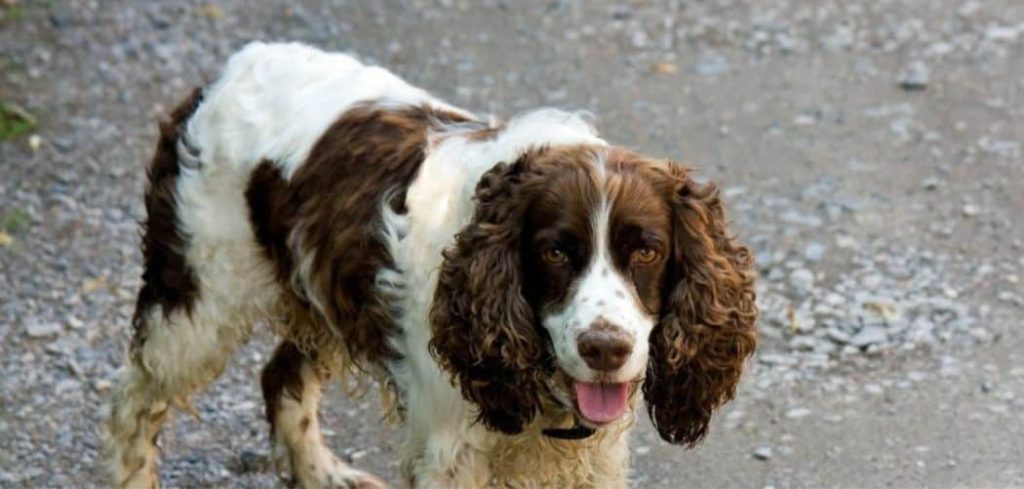
Dog Limping, Shaking, and Not Eating: Common Causes
Paw Injury or Irritation
A painful paw can cause sudden limping and may be enough to make some dogs shake or lose interest in food.
Torn nails, cuts, irritated paw pads, or something lodged between the toes can be difficult to notice without carefully examining the foot.
A dog may lick the paw, hold the leg up, or resist having the foot handled.
A minor irritation may improve with appropriate care, but significant swelling, bleeding, severe pain, or a foreign object that cannot be safely removed requires veterinary attention.
Related: Dog limping, not eating and panting (Why it happens)
Muscle Strain or Sprain
A muscle strain or sprain can occur after running, jumping, playing, or making an awkward movement. The resulting pain may cause limping, stiffness, shaking, and temporary loss of appetite.
Some dogs continue to move despite a soft-tissue injury, while others become noticeably uncomfortable.
Mild injuries may improve with appropriate rest, but persistent or worsening lameness should be evaluated. A veterinarian can determine whether the problem is a simple strain or something more significant.
Joint Pain
Joint disease can cause limping and stiffness, particularly in older dogs. Arthritis may become more painful after exercise or after a dog has been resting for some time.
When discomfort is substantial, a dog may shake, appear restless, or lose interest in food.
Other signs can include difficulty getting up, reluctance to climb stairs, slower walking, and reduced activity. Veterinary treatment can help manage joint pain and identify other orthopedic conditions that may be contributing.
Related: Dog Limping and Not Eating (Causes and what to do)
Bone or Ligament Injury
Injuries involving bones or important supporting ligaments can cause considerable pain and lameness. A dog may refuse to bear weight on the affected leg and may shake because of discomfort.
Appetite may decrease when pain is significant.
Some injuries are not obvious externally and may require X-rays or other diagnostic imaging. Avoid strenuous activity and have your dog assessed if the limp is severe, sudden, or persistent.
Back or Spinal Problems
Problems involving the spine can sometimes cause what appears to be a leg problem. Nerve compression or other spinal conditions may lead to pain, weakness, altered coordination, or difficulty using the limbs.
Shaking and appetite loss can occur when a dog is painful or distressed.
Watch for stumbling, dragging a paw, difficulty standing, an unusual posture, or weakness in more than one leg. These signs warrant prompt veterinary assessment.
Infection
Infections can cause a dog to feel unwell and may result in shaking, weakness, and loss of appetite. If an infection involves a paw, joint, bone, or another limb structure, it may also cause lameness.
Depending on the source, you may notice swelling, warmth, redness, discharge, fever, or lethargy.
A dog that is both limping and generally unwell should be examined rather than assumed to have a simple exercise-related injury.
Abdominal or Internal Pain
Some internal problems can cause significant discomfort, making a dog reluctant to move normally. A dog with abdominal pain may appear stiff, walk differently, shake, and refuse food.
Vomiting, diarrhea, drooling, restlessness, a tense abdomen, or unusual posture may occur alongside these signs.
Because some causes of abdominal pain can become serious, a dog with persistent appetite loss and signs of pain should receive veterinary attention.
Neurological or Systemic Disease
Neurological disorders and other systemic illnesses can cause weakness, abnormal movement, trembling, and appetite changes. In some cases, the apparent limp may actually be caused by weakness or altered coordination rather than an isolated leg injury.
Other signs can include balance problems, unusual behavior, weakness, or difficulty standing.
These conditions require veterinary evaluation because the appropriate treatment depends on identifying the underlying cause.
When to Call or Visit the Vet
Limping accompanied by shaking and loss of appetite is more concerning than a mild limp alone. Contact your veterinarian immediately if you notice:
Persistent limping or refusal to bear weight
Repeated or continuous shaking
Continued refusal to eat
Obvious pain or sensitivity
Significant weakness or difficulty standing
Swelling, wounds, or discharge around a limb
Vomiting, diarrhea, or abdominal discomfort
Difficulty walking or changes in coordination
Collapse, severe pain, breathing difficulty, or rapidly worsening symptoms
Dog Limping, Shaking, and Not Eating: Treatment
Veterinary treatment for a dog that is limping, shaking, and not eating starts with a thorough examination of the paws, joints, muscles, bones, spine, abdomen, and nervous system.
The veterinarian may recommend X-rays or other diagnostic imaging to identify problems that are not visible externally, while blood tests may be performed when appropriate to look for infection, inflammation, organ problems, or other underlying illness.
Treatment may include prescription pain relief, anti-inflammatory medication, restricted activity, wound care, physical rehabilitation, fluids, nutritional support, or other targeted therapy based on the diagnosis.
Key Takeaway
A dog limping, shaking, and not eating may be experiencing significant pain from a paw injury, muscle strain, joint problem, bone or ligament injury, or spinal condition.
Infection, abdominal discomfort, neurological disease, and other illnesses can also produce this combination of symptoms.
A mild limp does not always require emergency care, but shaking and loss of appetite suggest that your dog may be more uncomfortable or unwell than the limp alone indicates.
Persistent symptoms should therefore not be ignored.
If your dog is showing all three signs, arrange a veterinary examination to determine the underlying cause.
Seek immediate veterinary attention if your dog develops severe pain, marked weakness, difficulty standing or breathing, collapse, or rapidly worsening symptoms.


