
Finding your dog limping on a front leg is concerning, but when the limp is accompanied by lethargy, it can indicate a more serious underlying problem.
While a simple sprain may cause limping alone, dogs that are both limping and unusually tired, weak, or unwilling to move often need prompt veterinary attention.
These two symptoms together may point to pain or illness affecting more than just the leg.
Table of Contents
Dog Limping on Front Leg and Lethargic: Why It Happens
A dog may limp on a front leg and become lethargic because pain, inflammation, infection, or systemic illness is affecting both their mobility and overall well-being.
This may be due to a severe soft tissue injury, joint infection, tick-borne disease, fracture, arthritis flare-up, or another medical condition causing both pain and reduced energy.
Severe pain alone can make dogs less active and more likely to sleep, but conditions such as infections, immune-mediated diseases, and tick-borne illnesses can cause both limping and generalized weakness.
Because lethargy is not typically associated with a simple minor sprain, these symptoms together deserve careful attention.
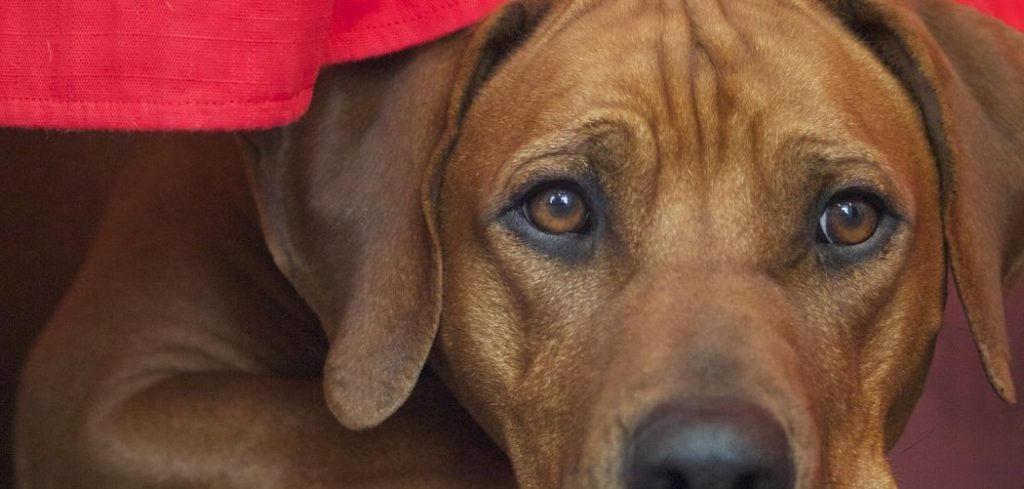
Depending on the underlying cause, a dog may also show:
- Unusual tiredness or sleeping more than normal
Reluctance to walk or play
Loss of appetite
Swelling around the leg or joint
Fever or feeling unusually warm
Licking the affected leg or paw
Difficulty standing or getting comfortable
Dog Limping on Front Leg and Lethargic: Common Causes
Severe Muscle or Ligament Injury
A significant muscle strain, ligament injury, or tendon tear can cause enough pain to make a dog both limp and become unusually quiet or inactive.
Unlike mild sprains, more serious soft tissue injuries may occur after vigorous exercise, jumping from a height, slipping on smooth floors, or sudden twisting movements.
Dogs with severe soft tissue injuries often avoid putting weight on the affected leg and may spend much of the day resting because movement is uncomfortable.
You may notice swelling around the shoulder, elbow, or wrist, reluctance to climb stairs, or hesitation before standing up.
While some injuries heal with strict rest and veterinary-prescribed medication, others may require advanced imaging or surgery if the damage is extensive.
Read more: Dog Suddenly Limping Front Leg (Causes and treatment)
Paw Injury with Infection
A cut paw pad, puncture wound, deeply embedded thorn, grass awn, or torn nail can become infected if bacteria enter the wound.
Once infection develops, your dog may not only limp but also become lethargic as the body’s immune system responds.
The affected paw may appear swollen, warm, red, or drain pus, and many dogs lick the area constantly.
Some develop a fever and lose interest in food or normal activities. Veterinary treatment usually involves cleaning the wound, removing any foreign material, prescribing antibiotics when needed, and providing pain relief.
Delaying treatment increases the risk of the infection spreading deeper into the tissues.
Read more: Dog excessively licking paw and limping (Here’s why)
Joint Infection (Septic Arthritis)
Septic arthritis is a bacterial infection inside a joint and is considered a medical emergency.
Infection may develop after a penetrating wound, surgery, or bacteria spreading through the bloodstream from another part of the body.
Dogs with septic arthritis often develop sudden, severe limping along with marked lethargy, fever, loss of appetite, and intense pain when the affected joint is touched.
The joint is frequently swollen and warm. Without prompt treatment, permanent joint damage can occur.
Management usually includes hospitalization, antibiotics, pain control, and sometimes surgical flushing of the infected joint.
Tick-Borne Diseases
Tick-borne illnesses such as Lyme disease, ehrlichiosis, and anaplasmosis can cause inflammation of the joints, leading to limping and generalized lethargy.
Depending on the disease, the limp may affect one front leg at first or shift between different legs over several days.
In addition to limping, affected dogs may develop fever, swollen lymph nodes, reduced appetite, joint swelling, and decreased interest in exercise.
These illnesses require veterinary diagnosis through blood tests and are typically treated with appropriate medications. Early treatment often leads to a much better recovery.
Arthritis Flare-Up
Although arthritis usually causes stiffness and limping, a severe flare-up can also leave dogs appearing tired and reluctant to move because every step is painful.
This is especially common in senior dogs or dogs with advanced joint disease.
Many owners notice their dog sleeping more than usual, struggling to rise after resting, and avoiding activities they once enjoyed.
Cold weather, overexertion, or progression of arthritis can trigger these flare-ups.
Long-term management often includes weight control, prescription pain medications, physical rehabilitation, and lifestyle adjustments to keep joints as comfortable as possible.
Fracture or Bone Injury
A fracture involving the front leg can cause intense pain that leaves a dog both limping and lethargic.
Although many fractures occur after obvious trauma, small cracks or stress fractures can occasionally develop after repetitive strain or underlying bone disease.
Dogs with fractures often refuse to bear weight on the leg, may cry when the limb is moved, and spend much of their time lying down because movement is painful.
Swelling or abnormal positioning of the leg may also be present. Immediate veterinary care is essential, as fractures often require splinting, surgery, or strict immobilization.
Immune-Mediated Joint Disease
Immune-mediated polyarthritis is a condition in which the immune system mistakenly attacks the joints, causing inflammation and pain.
Unlike injuries that affect a single limb, immune-mediated joint disease may initially cause limping in one front leg before involving multiple joints.
Affected dogs often appear lethargic, develop fever, lose their appetite, and become reluctant to move because several joints are painful.
Diagnosis usually requires blood tests and joint fluid analysis. Treatment focuses on controlling the abnormal immune response while relieving pain and inflammation.
Bone Cancer or Other Serious Illnesses
Although less common, bone tumors such as osteosarcoma can initially appear as an intermittent limp before becoming persistent.
As the disease progresses, pain increases, and dogs often become lethargic because of both discomfort and the underlying illness.
Also what may be noticed is swelling over the affected bone, muscle loss, decreased appetite, and gradual weight loss.
Early veterinary evaluation is especially important because prompt diagnosis allows discussion of the most appropriate treatment options and pain management.
Read more: Dog limping on front leg intermittently (Here’s why)
Dog Limping on Front Leg and Lethargic: What to Do
If your dog is limping on a front leg and seems unusually tired, restrict their activity immediately and allow them to rest in a quiet, comfortable area.
Avoid walks, running, jumping, or rough play until your veterinarian determines the cause.
Carefully inspect the affected paw for cuts, broken nails, swelling, grass awns, or foreign objects.
If your dog allows it, gently compare both front legs for swelling or obvious differences, but avoid manipulating painful joints.
Monitor your dog’s appetite, water intake, body temperature if instructed by your veterinarian, and overall behavior.
Note whether the lethargy is mild or severe, whether the limping is getting worse, and if additional symptoms such as vomiting, diarrhea, coughing, or fever develop.
Recording a short video of your dog’s gait can also help during the veterinary examination.
Provide fresh water and encourage quiet rest, but do not force your dog to exercise if they appear uncomfortable.
Never give human pain medications such as ibuprofen, naproxen, or acetaminophen, as these can be toxic to dogs and may complicate treatment.
When to Call or Visit the Vet
Limping accompanied by lethargy is more concerning than limping alone and often warrants prompt veterinary evaluation.
Schedule an appointment if you notice:
Limping lasting longer than 24 hours
Mild lethargy that continues throughout the day
Swelling around the leg or paw
Licking the affected limb
Reduced appetite
Stiffness after resting
Difficulty climbing stairs
Recurrent episodes of limping and low energy
Seek emergency veterinary attention immediately if your dog develops:
Complete inability to bear weight
High fever or severe weakness
Collapse or inability to stand
Obvious fracture or deformity
Difficulty breathing
Severe swelling of the leg
Continuous crying or signs of intense pain
Pale gums or signs of shock
Dog Limping on Front Leg and Lethargic: Treatment
A dog that is limping and lethargic should receive a veterinary examination to assess both the affected limb and the dog’s overall health.
The veterinarian may perform blood tests in addition to X-rays or other diagnostic imaging to determine whether systemic illness is contributing to the symptoms.
Treatment may include prescription pain relief, anti-inflammatory medication, fluids, antibiotics when indicated, or other targeted therapy based on the diagnosis.
Recovery and Monitoring
Recovery depends on the underlying cause of your dog’s symptoms. Minor injuries may improve within a few weeks, while infections often respond well once appropriate treatment begins.
Chronic conditions such as arthritis or immune-mediated disease typically require ongoing management and regular veterinary follow-up.
Monitor your dog’s energy level, willingness to bear weight, appetite, and comfort throughout recovery.
Follow all instructions regarding medications, exercise restriction, rehabilitation exercises, and follow-up appointments.
Contact your veterinarian if the limping worsens, lethargy persists, or new symptoms develop.
Maintaining a healthy body weight and providing a soft, supportive place to rest can also help reduce stress on painful joints during recovery.
Key Takeaway
A dog limping on a front leg and lethargic may be experiencing more than a simple orthopedic injury.
Severe soft tissue injuries, infected wounds, septic arthritis, tick-borne diseases, arthritis flare-ups, fractures, immune-mediated joint disease, and even bone cancer can cause both limping and reduced energy.
Because lethargy often indicates that your dog’s body is dealing with significant pain or illness, these symptoms should not be ignored.
Early veterinary evaluation can identify the underlying cause and allow treatment to begin before the condition worsens.
If your dog refuses to bear weight, develops a fever, collapses, or remains unusually tired alongside the limp, seek veterinary care as soon as possible.
Early diagnosis and appropriate treatment give your dog the best chance for a comfortable recovery and a return to normal activity.


