
A dog who is weak and wobbly may have difficulty standing, walking steadily, or maintaining normal balance.
Some dogs may appear slightly unsteady for a short time, while others may stumble, sway, fall, or have trouble getting back up.
Weakness and wobbliness can occur together, but they are not necessarily the same problem.
A dog may be genuinely weak because it cannot generate enough strength to support its body, or it may be wobbly because the nervous system is having trouble coordinating normal movement.
Determining which pattern is present, along with how suddenly it developed, can help a veterinarian identify the underlying problem.
Table of Contents
Dog Is Weak and Wobbly: What It Means
A dog that is weak and wobbly may have a problem affecting its muscles, nerves, spinal cord, balance system, circulation, or metabolism. Possible causes include an inner-ear disorder, low blood sugar, dehydration, anemia, pain, medication effects, poisoning, or a neurological condition. Older dogs may also develop weakness from arthritis or other age-related problems.
The pattern of weakness can provide important clues. Wobbling mainly in the back legs may suggest a spinal, nerve, or orthopedic problem, while a dog that seems generally unsteady may have a balance disorder or systemic illness.
Sudden weakness is more concerning than a gradual change and should be assessed immediately.
If the dog cannot stand, collapses, develops seizures, has difficulty breathing, shows pale or blue gums, or becomes rapidly more weak or unresponsive, seek emergency veterinary care immediately.
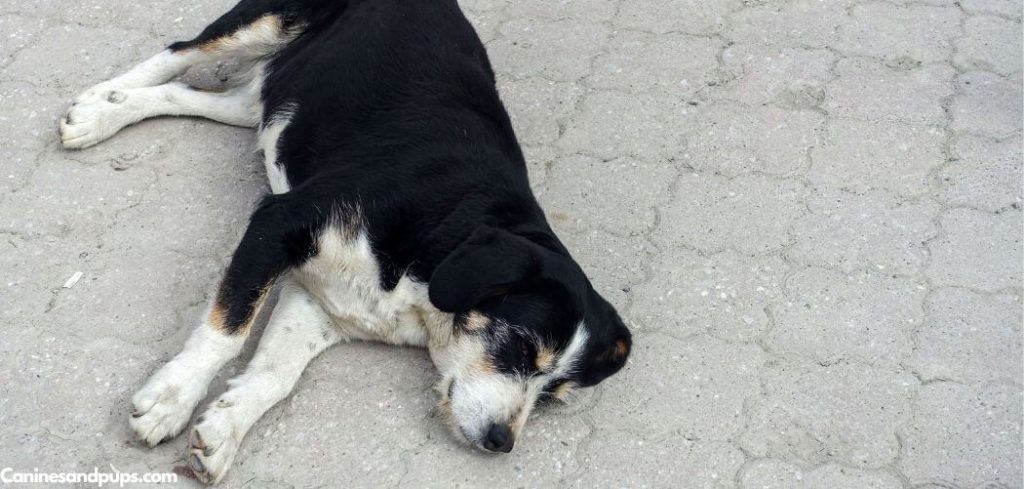
Dog Being Weak and Wobbly: Common Causes
Neurologic problems
Problems affecting the brain, spinal cord, nerves, or other parts of the nervous system can cause weakness and an unsteady gait.
Depending on the location of the problem, a dog may drag a limb, stumble, have difficulty coordinating its feet, develop an unusual posture, or become progressively less stable.
Spinal cord disease can cause both weakness and loss of normal coordination.
Neurologic causes can include spinal cord compression, inflammation, injury, degenerative conditions, or other disorders affecting the nervous system.
Related: Dog throwing up and weak legs (What it means)
Vestibular disease
A problem with the vestibular system, which helps control balance, can make a dog appear extremely wobbly.
Dogs with vestibular dysfunction may lean or fall to one side and may also develop a head tilt or abnormal eye movements.
Inner-ear disease and some brain disorders can affect the vestibular system.
Older dogs can also develop idiopathic vestibular disease, in which a specific underlying cause may not be identified.
A sudden loss of balance should be evaluated because vestibular disease can resemble other neurologic problems.
Read more: Old dog vestibular disease (Signs, causes and treatment)
Pain or orthopedic problems
A dog may appear weak and unsteady because movement is painful.
Joint disease, muscle injuries, ligament problems, spinal pain, fractures, or other orthopedic conditions can make a dog reluctant to put weight on a limb or get up.
Musculoskeletal disease can cause an abnormal gait, weakness, lameness, or reluctance to move.
In these cases, the dog may appear more unsteady when standing up, turning, climbing stairs, or walking on slippery surfaces.
Low blood sugar
Low blood sugar, or hypoglycemia, can interfere with normal muscle and nervous-system function.
Depending on how severe it is, a dog may become weak, shaky, uncoordinated, unusually tired, or less responsive. More severe cases can cause collapse or seizures.
Because low blood sugar has several possible underlying causes, a veterinarian may need to check the dog’s blood glucose as part of the investigation.
Electrolyte abnormalities
Electrolytes such as potassium and calcium are important for normal nerve and muscle function.
Significant abnormalities can cause weakness, difficulty walking, tremors, or other neuromuscular problems.
Severe low potassium, for example, can cause generalized muscle weakness and difficulty getting up or walking.
Vomiting, diarrhea, kidney disease, certain medications, and other illnesses can contribute to electrolyte disturbances.
Anemia or poor circulation
A dog may become weak and unsteady when its tissues are not receiving enough oxygen.
Anemia can cause weakness, reduced stamina, and exercise intolerance. Heart disease or abnormal heart rhythms can also reduce effective blood circulation and may cause episodes of weakness, wobbliness, or collapse.
Pale or unusually colored gums, rapid breathing, or collapse alongside weakness are particularly concerning.
Related: Dog back legs weak and not eating (Causes and what to do)
Heart disease or fainting episodes
Some cardiovascular problems can cause a dog to suddenly become weak or wobbly, particularly during activity.
A dog experiencing syncope, or fainting, may briefly appear weak or wobbly before collapsing and can recover relatively quickly afterward.
Heart rhythm abnormalities and other cardiovascular conditions can contribute to fainting.
A new episode of weakness or collapse during exercise deserves veterinary evaluation even if the dog seems normal afterward.
Toxic exposure
Some toxins can affect the nervous system or muscles and cause weakness, poor coordination, tremors, or other abnormal movements.
The exact signs depend on the substance involved. Certain toxic exposures can also cause vomiting, diarrhea, changes in breathing, or altered awareness.
If your dog suddenly becomes weak and wobbly after potentially ingesting something harmful, veterinary assessment should be sought immediately.
Tick paralysis
In regions where tick paralysis occurs, a tick-associated neurologic problem is another potential cause of progressive weakness.
Early signs can include hind-leg incoordination and weakness, followed by increasing difficulty standing or walking.
Changes in voice, gagging, coughing, vomiting, or breathing abnormalities can also occur.
Rapid progression of weakness, especially when accompanied by breathing changes, requires urgent veterinary attention.
General illness, dehydration, or fluid loss
A dog with a significant systemic illness may become weak simply because the body is struggling with the underlying disease.
Vomiting and diarrhea can also cause dehydration and electrolyte abnormalities, which may make a dog tired, weak, or unsteady.
Kidney disease, infections, metabolic disorders, and other illnesses can produce similar combinations of symptoms.
Exercise-related weakness
Some dogs develop weakness or wobbliness after strenuous activity.
In certain dogs, specific exercise-induced disorders can cause episodes of weakness followed by incoordination or collapse after intense exercise.
The pattern, breed, age, duration, and recovery time are important when evaluating these episodes.
Repeated exercise-related episodes should be discussed with a veterinarian rather than assuming the dog simply overexerted itself.
Dog Is Weak and Wobbly but Still Eating
A dog that is weak and wobbly but still eating may have a problem affecting its muscles, nerves, spinal cord, balance system, circulation, or metabolism.
Possible causes include an inner-ear disorder, low blood sugar, anemia, pain, dehydration, medication effects, or a neurological condition.
Some dogs maintain a normal appetite even when they have a significant underlying problem.
Eating normally is reassuring but does not rule out illness. If the weakness or wobbliness is new, persistent, or worsening, the dog should be examined by a veterinarian.
Sudden inability to stand, collapse, seizures, difficulty breathing, pale or blue gums, or rapidly worsening weakness requires urgent veterinary care.
Dog Is Weak and Wobbly but Acting Normal
A dog that is weak and wobbly but otherwise acting normal may have an early or relatively mild problem affecting balance, coordination, strength, or circulation.
Inner-ear disorders, muscle weakness, low blood sugar, medication effects, dehydration, or neurological conditions can cause an abnormal gait before other signs become obvious.
A dog may continue eating, interacting, and behaving normally despite having difficulty walking.
If the wobbliness appeared suddenly or keeps recurring, veterinary assessment is recommended.
Avoid stairs, jumping, and strenuous activity until the cause is known to reduce the risk of falling or injury.
Dog Is Weak and Wobbly in the Back Legs
A dog that is weak and wobbly in the back legs may have a problem involving the hips, knees, muscles, spinal cord, or nerves controlling the hind limbs.
Arthritis and orthopedic injuries can cause pain and weakness, while spinal disc disease, spinal cord disorders, or other neurological conditions can produce wobbling, crossing of the back legs, or difficulty maintaining balance.
If the hind-leg weakness develops suddenly, progresses quickly, or is accompanied by dragging the paws, inability to stand, pain, or loss of bladder or bowel control, the dog needs immediate veterinary attention.
Restrict running, jumping, and stair use while waiting for assessment.
Related: Dog Weakness and Crying (Causes and when to worry)
When to Call or Visit the Vet
A new unexplained change in your dog’s ability to stand or walk should be discussed with a veterinarian, particularly if the weakness or wobbliness persists or worsens.
Seek immediate veterinary attention if your dog has:
Sudden or rapidly worsening weakness or wobbliness
Difficulty standing or walking
Falling repeatedly or being unable to stay upright
Collapse or fainting
Difficulty breathing or changes in breathing effort
Pale, white, gray, or blue-looking gums
A head tilt or abnormal eye movements
Seizure-like activity or major changes in awareness
Severe pain
Repeated vomiting or severe diarrhea
Suspected toxin exposure
A recent injury or trauma
Progressive weakness in the legs
Loss of bladder or bowel control together with neurologic changes
Inability to use one or more limbs
Sudden inability to stand, collapse, significant breathing difficulty, or rapidly progressing weakness requires urgent veterinary assessment.
Dog Is Weak and Wobbly: Treatment
Treatment depends on whether the problem is caused by pain, an orthopedic condition, neurologic disease, vestibular dysfunction, anemia, an electrolyte or blood-glucose abnormality, cardiovascular disease, toxin exposure, or another illness.
The veterinarian will typically perform a physical and neurologic examination and may evaluate the dog’s gait, reflexes, muscle strength, balance, and joints.
Blood tests can assess blood cell counts, glucose, electrolytes, and organ function, while X-rays or advanced imaging may be appropriate for suspected spinal, orthopedic, or other structural problems.
Heart testing, infectious-disease testing, or other specialized diagnostics may be recommended based on the findings.
Key Takeaway
A dog who is weak and wobbly may have a problem involving the muscles, joints, nervous system, balance system, circulation, or metabolism.
Weakness and incoordination can look similar, but they represent different abnormalities and may require different diagnostic approaches.
A mild, temporary change may have a relatively simple explanation, but sudden, persistent, progressive, or severe wobbliness should not be dismissed as normal aging or tiredness.
Difficulty standing, falling, collapse, abnormal eye movements, breathing changes, or other neurologic signs are particularly important.
If your dog’s gait has suddenly changed or your dog is struggling to remain upright, contact a veterinarian immediately so the cause can be identified and treated appropriately.


