
Seeing your dog struggle to stand or walk normally—especially when combined with a loss of appetite—can be frightening.
Weakness in the back legs often points to mobility issues or systemic illness, and when your dog also stops eating, it’s a clear sign that something more than simple fatigue is at play.
We outline what it means when your dog’s back legs are weak and they’re not eating, what conditions may be responsible, and when to seek immediate veterinary attention.
Table of Contents
Dog Back Legs Weak and Not Eating: Why It Happens
A dog with back legs weak and not eating may be suffering from arthritis, hip dysplasia, spinal injury, intervertebral disc disease, degenerative myelopathy, tick paralysis, or metabolic problems like diabetes or Addison’s disease.
These conditions can affect the nervous system, joints, or internal organs—often causing discomfort, neurological decline, or systemic illness that reduces appetite.
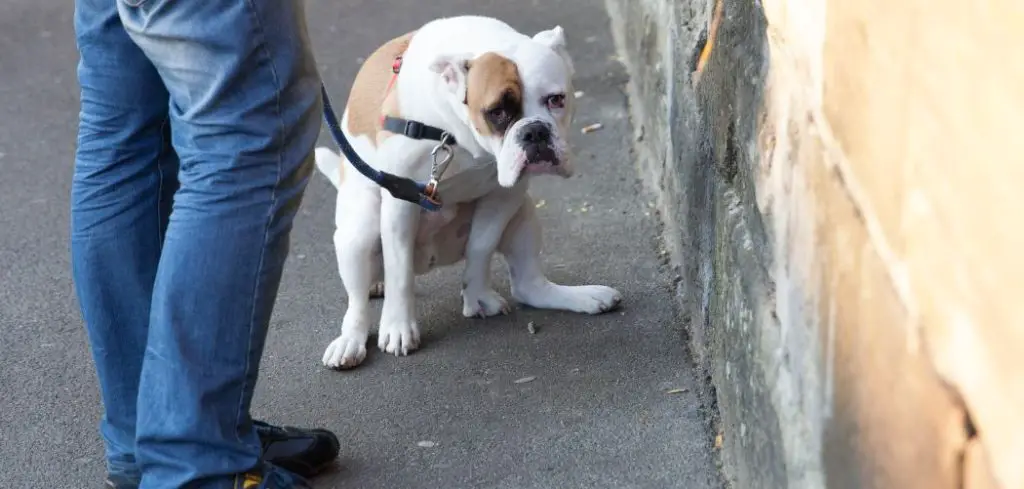
Dog Back Legs Weak and Not Eating: Common Causes
1. Arthritis or Joint Pain
In older dogs, especially large breeds, arthritis is a leading cause of hind limb weakness. Degenerative joint disease causes pain, inflammation, and stiffness, particularly after rest. Over time, your dog may:
Struggle to get up or climb stairs
Walk stiffly or favor one leg
Lose interest in eating due to chronic discomfort
Pain can make your dog unwilling to stand and walk to the food bowl, and long-term discomfort can dampen appetite. Cold weather, weight gain, or high-impact activity often makes symptoms worse.
2. Hip Dysplasia
Hip dysplasia is a congenital or developmental condition where the hip joint doesn’t form properly. It commonly affects young large-breed dogs (like German Shepherds, Labradors, and Golden Retrievers), but older dogs may show signs as arthritis sets in.
This can cause:
Bunny-hopping when running
Weakness or wobbliness in the hind end
Muscle loss in the thighs
Reluctance to eat or move
Appetite loss may stem from the pain or frustration caused by impaired mobility. Your dog may be mentally willing to eat, but physically hesitant to move.
Related: Dog vomiting and not eating (Causes and when to worry)
3. Intervertebral Disc Disease (IVDD)
IVDD is a spinal condition where the cushioning discs between vertebrae bulge or rupture, compressing the spinal cord. This can cause sudden or progressive hind limb weakness or even paralysis.
Signs include:
Difficulty walking or dragging hind legs
Yelping or sudden cries of pain
Stiff posture or hunched back
Loss of appetite due to intense discomfort
Small breeds like Dachshunds, Beagles, and Shih Tzus are more prone to IVDD, but it can affect any breed. In severe cases, dogs may become immobile and refuse food entirely.
4. Degenerative Myelopathy
Degenerative myelopathy is a progressive neurological disease affecting the spinal cord, most common in older dogs and breeds like German Shepherds, Boxers, and Corgis.
It typically starts with:
Weakness or unsteady movement in the hind legs
Knuckling or dragging feet
Collapse in the back end
Gradual loss of muscle mass and coordination
Appetite changes as quality of life declines
Though painless, the loss of mobility often leads to depression, disinterest in food, and difficulty accessing bowls.
5. Tick Paralysis
In tick-prone areas, tick paralysis can cause sudden weakness in the back legs due to neurotoxins released by certain tick species. As the condition progresses, the dog may:
Lose the ability to stand or walk
Develop shallow or labored breathing
Become lethargic and stop eating
Removing the tick early often reverses the condition, but untreated cases can lead to full paralysis or respiratory failure. Always inspect your dog thoroughly, especially during warmer months or after hikes.
6. Diabetes or Hypoglycemia
Metabolic diseases like diabetes or low blood sugar (hypoglycemia) can affect the nervous system and muscle strength. Diabetic dogs may show:
Hind leg weakness (diabetic neuropathy)
Increased thirst and urination
Vomiting or nausea
Appetite loss or sudden disinterest in food
Hypoglycemia is more common in small breeds, puppies, and diabetic dogs receiving insulin. If the brain doesn’t get enough glucose, symptoms like collapse or seizures may appear—often starting with weakness.
7. Addison’s Disease
Hypoadrenocorticism, or Addison’s disease, causes hormonal imbalances that affect the heart, muscles, and electrolytes. It’s often underdiagnosed but can be deadly if untreated.
Dogs with Addison’s may display:
Intermittent vomiting or diarrhea
Shaking or collapsing rear legs
Loss of appetite
Lethargy or disinterest in movement
An “Addisonian crisis” can look like shock or collapse and requires urgent treatment. Blood work is essential to confirm this diagnosis.
My Dog Can’t Walk on His Back Legs All of a Sudden
A dog suddenly unable to walk on its back legs is considered an urgent condition. This may be caused by spinal disc problems, nerve damage, injury, blood clots affecting circulation, or severe neurological disease.
Dogs may drag their legs, collapse, or be completely unable to stand. Even if there is no obvious pain, sudden loss of mobility indicates a serious issue that can worsen quickly without prompt treatment.
Dog BackLegs Weak and Shaking
Weak, shaking back legs usually point to muscle fatigue, pain, or nerve-related issues. Common causes include arthritis, injury, low blood sugar, dehydration, or neurological conditions affecting coordination.
Shaking can also occur when a dog is trying to stabilize weak muscles or is in discomfort. You may notice wobbling, difficulty standing, or reluctance to move.
Even if mild at first, this combination often signals an underlying issue that should be monitored.
Old Dog Back Legs Weak and Not Eating
When an older dog has weak back legs and is not eating, it often indicates a more serious underlying condition. Possible causes include advanced arthritis, neurological disease, organ problems (like kidney or liver disease), cancer, or severe pain.
Loss of appetite combined with weakness suggests the body is under strain and may be declining.
Senior dogs can deteriorate quickly when they stop eating, so this combination should be taken seriously and evaluated promptly.
Young Dog Back Legs Collapsing
Back leg collapse in a young dog is not normal and is often linked to injury, joint instability, or neurological problems. Causes may include ligament tears, hip dysplasia, spinal issues, or trauma from play.
Some young dogs may also collapse temporarily due to exhaustion or low blood sugar. You may see sudden loss of balance, slipping, or inability to support weight.
Even if the dog recovers quickly, repeated episodes suggest an underlying problem.
What to Do If Your Dog’s Back Legs Are Weak and They’re Not Eating
If your dog shows these signs but remains alert and stable:
Limit movement and encourage rest in a safe, soft area
Help them to their water bowl, or offer water by hand
Tempt them with bland food (boiled chicken or wet food)
Use a sling or towel under the belly to assist with walking
Record any tremors, collapsing, or dragging for your vet
Avoid stairs or high-impact exercise. If weakness or food refusal lasts more than a few hours, or worsens, consult your vet.
When to Call or Visit Your Vet
Contact your veterinarian urgently if:
Your dog can’t stand or walk at all
Their appetite is completely gone for more than 24 hours
They are panting, whining, or showing signs of pain
You notice swelling, dragging limbs, or knuckling paws
They show signs of paralysis, tremors, or collapse
Your vet will likely perform a neurological exam, X-rays, blood tests, and possibly MRI or CT scans depending on the suspected issue.
Early intervention improves outcomes—especially for spinal and metabolic conditions.
Related: Dog Lethargic and Not Eating or Drinking (What it means)
Read more: Dog Acting Weird and Not Eating (Here’s why)
Key Takeaway
When your dog’s back legs are weak and they’re not eating, it’s not something to brush off.
These symptoms together often signal pain, neurological issues, or internal illness that needs veterinary attention.
Don’t wait too long to act. Whether it’s arthritis, spinal problems, or an endocrine disorder, identifying the cause early can give your dog the best chance for recovery, relief, and renewed mobility.
Your dog depends on you to notice the signs—and with the right care, many of these conditions can be treated or managed successfully.


