
A dog that suddenly seems weak and shaky may have difficulty standing, walking, or participating in activities that are normally easy.
Even if the shaking is mild, a noticeable drop in strength or coordination should be taken seriously, particularly when the change is sudden or your dog does not return to normal.
Observe whether your dog is alert and responsive, able to walk normally, eating and drinking, and showing any other changes such as pale gums, vomiting, unusual breathing, or collapse.
We explain what these symptoms may indicate and when urgent veterinary care is necessary.
Table of Contents
Dog Feeling Weak and Shaky: Why It Happens
A dog feeling weak and shaky can happen because something is affecting normal muscle function, energy levels, the nervous system, blood circulation, or the body’s metabolism.
Shaking may occur with weakness, pain, fear, low blood sugar, electrolyte abnormalities, illness, or certain neurologic conditions, while weakness itself can make a dog appear shaky or unsteady.
Because weakness and shaking have many possible causes, the appearance of the symptoms alone cannot determine what is wrong.
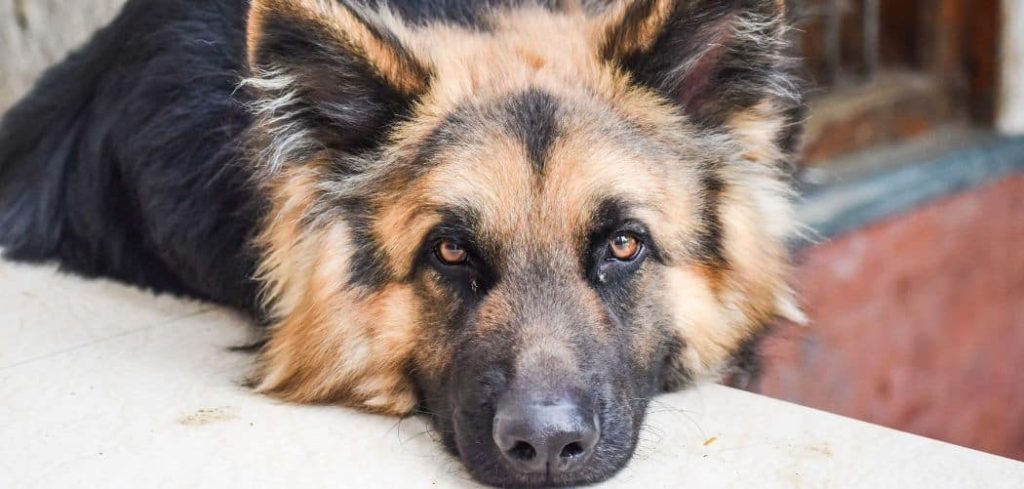
Dog Feeling Weak and Shaky: Common Causes
Stress, fear, or excitement
Some dogs shake when they are frightened, anxious, highly excited, or overwhelmed.
Trembling associated with stress may occur during thunderstorms, veterinary visits, travel, grooming, unfamiliar situations, or other stressful events.
Stress can also cause panting, pacing, changes in posture, or other behavioral changes.
If your dog quickly returns to normal once the stressful situation passes and is otherwise walking, eating, and behaving normally, temporary trembling may be less concerning.
However, true weakness is different from simply shaking. A dog that has difficulty standing or walking should not be assumed to be stressed.
Related: Dog throwing up and weak legs (What it means)
Pain or discomfort
Pain can cause a dog to tremble or appear weak. Musculoskeletal injuries, abdominal pain, joint problems, spinal conditions, or other painful disorders may cause a dog to move cautiously, avoid activity, shake, or have difficulty getting comfortable.
A dog does not always cry or obviously react when it hurts. Changes in posture, movement, appetite, activity, or willingness to climb stairs can sometimes be more noticeable.
Low blood sugar
Low blood sugar, or hypoglycemia, can cause weakness and trembling.
It can occur in several situations, including certain metabolic disorders and other illnesses.
Very young or small dogs can be particularly vulnerable to problems involving blood glucose, depending on their circumstances.
More severe low blood sugar can result in marked weakness, abnormal behavior, collapse, or seizures and requires prompt veterinary attention.
Related: Dog back legs weak and not eating (Causes and what to do)
Electrolyte abnormalities
Abnormal levels of minerals such as calcium and potassium can interfere with normal muscle and nerve function.
For example, severe low potassium can cause generalized muscle weakness and difficulty standing or walking.
Low calcium can also cause muscle tremors, twitching, or more severe neuromuscular signs.
These problems generally cannot be identified reliably from symptoms alone and require veterinary testing.
Anemia or blood loss
Anemia means the blood does not have enough healthy red blood cells to transport oxygen effectively.
A dog with significant anemia may become weak, tired, exercise-intolerant, or shaky. Pale gums can be an important accompanying sign, although gum color alone cannot establish the cause.
Anemia can have many underlying causes, including blood loss, destruction of red blood cells, or reduced production of blood cells.
Heart or circulation problems
Heart disease and abnormal heart rhythms can reduce the amount of blood and oxygen reaching the body’s tissues.
A dog may become weak, exercise-intolerant, wobbly, or occasionally collapse. Some dogs may appear normal between episodes.
Sudden weakness or collapse, particularly during activity, can occur with fainting related to cardiovascular problems and warrants veterinary evaluation.
Neurologic problems
Conditions affecting the brain, spinal cord, nerves, or muscles can cause weakness and shaking.
Depending on the problem, a dog may also develop an unsteady gait, difficulty coordinating movement, abnormal posture, muscle tremors, weakness in one or more limbs, or changes in awareness.
Some tremor disorders cause rhythmic involuntary shaking while the dog may otherwise remain relatively normal.
Shaker syndrome, for example, is diagnosed only after other medical causes of tremors have been considered.
General illness or infection
A dog fighting an illness may become weak because the body is using energy to respond to the underlying problem.
Infections and other systemic diseases can cause weakness along with fever, reduced appetite, vomiting, diarrhea, dehydration, or changes in behavior.
Diarrhea and vomiting themselves can also contribute to weakness when fluid and electrolyte losses become significant.
Toxin or medication exposure
Some toxic substances can cause combinations of weakness, tremors, vomiting, abnormal coordination, or changes in consciousness.
The specific symptoms depend on the substance and amount involved. Some toxic exposures can initially appear mild before becoming more serious.
If you suspect your dog has been exposed to a potentially harmful substance, veterinary advice should be sought promptly rather than waiting to see whether the shaking disappears.
Dehydration
Dehydration can contribute to weakness, particularly when a dog has recently had vomiting, diarrhea, heavy fluid loss, or poor water intake.
A dehydrated dog may seem tired, weak, or less interested in normal activities. More significant dehydration can become serious, especially when another illness is causing the fluid loss.
Low body temperature or environmental factors
A dog may shake when cold. Temporary shivering after exposure to cold temperatures can be a normal response, but persistent shaking accompanied by weakness or abnormal behavior is different.
Dogs that remain cold, weak, or difficult to rouse should be assessed by a veterinarian.
Dog Feeling Weak and Shaky but Still Eating
A dog may feel weak or shaky while continuing to eat and drink. Normal appetite is reassuring, but it does not rule out medical problems.
Some conditions affecting the heart, muscles, nerves, or metabolism may initially leave appetite relatively unchanged.
Pay attention to whether your dog can stand and walk normally, whether the shaking is continuous or intermittent, and whether the symptoms are becoming more frequent.
Dog Feeling Weak and Shaky but Acting Normal
Some dogs tremble briefly and then return completely to normal.
This can happen with stress, excitement, cold, or other relatively temporary situations. If your dog is alert, walking normally, eating and drinking normally, and the shaking resolves quickly, the situation may be less concerning.
However, weakness is more significant than shaking alone. Difficulty getting up, stumbling, reduced ability to walk, or unusual exercise intolerance deserves veterinary attention even if your dog still seems mentally alert.
Dog Feeling Weak and Shaky With Vomiting or Diarrhea
Weakness and shaking accompanied by vomiting or diarrhea deserve closer attention.
Digestive illness can cause dehydration and electrolyte abnormalities, while some systemic diseases can produce gastrointestinal symptoms and weakness at the same time.
Severe or persistent diarrhea can also contribute to weakness through fluid and electrolyte losses.
Repeated vomiting, bloody diarrhea, inability to keep water down, severe abdominal pain, or rapidly worsening weakness should be assessed immediately.
Related: Dog Weakness and Crying (Causes and when to worry)
When to Call or Visit the Vet
Contact your veterinarian if your dog develops new or unexplained weakness and shaking, particularly if the symptoms persist, recur, or interfere with normal movement.
Seek immediate veterinary attention if your dog has:
Difficulty standing or walking
Stumbling, severe unsteadiness, or inability to coordinate movement
Collapse or fainting
Severe or persistent shaking
Difficulty breathing or unusually rapid breathing
Pale, white, gray, or blue-looking gums
Repeated vomiting or severe diarrhea
Blood in vomit or stool
Severe or obvious pain
A swollen or painful abdomen
Refusal to eat or drink
Marked lethargy or difficulty responding normally
Seizure-like activity or significant changes in awareness
Sudden worsening of weakness
Suspected exposure to a toxic substance
A recent injury followed by weakness or shaking
Sudden collapse, difficulty breathing, abnormal gum color, severe weakness, or a rapidly deteriorating condition requires urgent veterinary care.
Bluish gums can indicate inadequate oxygen levels and are considered an emergency.
Dog Feeling Weak and Shaky: Treatment
Veterinary assessment includes a physical and neurologic examination and review when the weakness and shaking started, whether they are continuous or episodic, and any changes in appetite, drinking, urination, bowel movements, activity, medications, or recent exposures.
Blood tests may be used to evaluate blood cell counts, glucose, electrolytes, kidney and liver function, and other metabolic problems; urinalysis, imaging, heart testing, or more specialized neurologic testing may be appropriate depending on the findings.
Treatment is directed at the diagnosed problem rather than the shaking itself.
Key Takeaway
A dog feeling weak and shaky may be experiencing temporary trembling from stress or cold, but the combination can also occur with pain, low blood sugar, electrolyte abnormalities, anemia, heart disease, neurologic problems, infection, dehydration, or toxic exposure.
The most important distinction is between a dog that is simply trembling and one that is genuinely weak—such as having trouble standing, walking, or maintaining normal coordination.
Acting normal between brief episodes can be reassuring, but it does not identify the underlying cause.
If the weakness is new, persistent, recurrent, or accompanied by vomiting, diarrhea, pain, breathing changes, pale or blue gums, collapse, or abnormal behavior, veterinary evaluation is important rather than assuming the shaking will pass on its own.