
If your dog is excessively pooping and peeing, a sudden change in both bowel and urination habits can be worth paying attention to.
Some dogs may temporarily poop more often after eating more food, changing diets, becoming more active, or experiencing a mild digestive upset. Likewise, urinating more frequently can sometimes happen after drinking more water than usual.
However, frequent pooping and peeing at the same time may also indicate that something has changed in your dog’s digestive, urinary, or overall health.
The pattern matters: how much stool and urine your dog is producing, whether the stool is normal or loose, whether your dog is drinking more, and whether there are other signs such as vomiting, weight loss, lethargy, straining, or changes in appetite.
Table of Contents
Dog Excessively Pooping and Peeing: Why It Happens
A dog that is excessively pooping and peeing may be responding to increased food or water intake, a change in diet or routine, gastrointestinal irritation, or a urinary problem. Frequent bowel movements can occur with dietary changes, eating something unusual, intestinal parasites, or diarrhea, while frequent urination may occur with increased water consumption, a urinary tract infection, diabetes, kidney disease, or certain medications.
It is also important to distinguish between going more often and producing more each time. A dog that repeatedly urinates or defecates but passes only small amounts may have a different problem from a dog that produces unusually large amounts each time.
The frequency, amount, consistency of the stool, and any accompanying signs can help determine what may be happening.
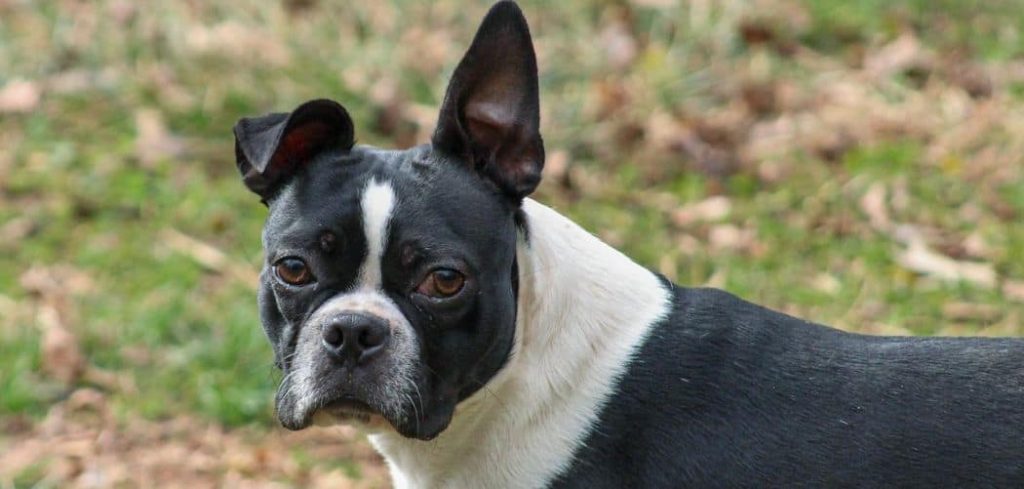
Dog Excessively Pooping and Peeing: Common Causes
Eating More Food or a Diet Change
A dog may temporarily poop more often after eating larger meals or switching to a different food.
Changes in diet can alter stool volume, intestinal activity, and bowel-movement frequency.
A sudden food change can also contribute to diarrhea or digestive upset, which may make a dog need to defecate repeatedly.
If your dog is also drinking more because of a change in diet, increased urination may occur at the same time.
Related: Dog pooping in the house all of a sudden (Here’s Why)
Mild Gastrointestinal Upset
Digestive upset is a common reason a dog may suddenly poop more frequently.
Dogs with gastrointestinal irritation may pass softer or watery stools, have urgency, strain to defecate, or produce smaller amounts of stool more frequently.
Other digestive signs can include vomiting, decreased appetite, abdominal discomfort, bloating, and dehydration.
A short-lived episode in an otherwise bright, comfortable dog may resolve, but persistent or worsening changes should be evaluated.
Related: Dog pooping bloody mucus but acting normal (Causes and what to do)
Colitis
Colitis, or inflammation of the large intestine, can cause a dog to poop repeatedly.
Dogs with large-intestinal inflammation often pass small amounts of stool more frequently and may strain or have an urgent need to defecate.
Mucus and sometimes blood may also be present. Parasites, dietary factors, bacterial or other inflammatory problems can be involved.
The increased pooping in this situation does not necessarily mean the dog is producing a large total volume of stool.
Intestinal Parasites
Parasites can cause changes in bowel movements and stool consistency.
Depending on the parasite and the dog’s age and health, signs may include diarrhea, increased stool frequency, abdominal discomfort, weight loss, or changes in appetite.
Giardia, for example, can cause abdominal discomfort and diarrhea and is diagnosed using fecal testing.
If frequent pooping continues, a veterinarian may recommend a stool examination rather than assuming the problem is simply dietary.
Gastrointestinal Infection
An intestinal infection can cause sudden changes in bowel movements.
Affected dogs may develop diarrhea, vomiting, loss of appetite, abdominal discomfort, or dehydration.
Some infections can produce particularly severe diarrhea, including bloody diarrhea.
Dogs that are becoming weak, dehydrated, or increasingly ill should be assessed promptly.
Increased Drinking and Urination
If your dog is both pooping and peeing more than usual, determine whether the increased urination is associated with increased thirst.
Dogs may drink and urinate more because of fluid loss, but persistent increased thirst and urination can also occur with kidney disorders, diabetes mellitus, certain hormonal disorders, and other medical conditions.
This is particularly important when the change continues beyond a single day or is accompanied by weight loss, appetite changes, weakness, or other abnormalities.
Diabetes Mellitus
Diabetes mellitus is one possible cause of increased thirst and urination.
A diabetic dog may drink considerably more water and produce larger amounts of urine. Changes in appetite and body weight may also occur.
If increased urination and thirst are persistent rather than simply occurring after exercise or a hot day, veterinary testing is appropriate.
Diabetes would not by itself explain every episode of frequent pooping, so the digestive changes also need to be considered.
Kidney Disease
Kidney problems can cause increased drinking and urination. When the kidneys cannot concentrate urine normally, a dog may produce larger volumes of more dilute urine and compensate by drinking more.
Kidney disease can also cause digestive signs such as vomiting, appetite changes, and weight loss as it progresses.
If increased urination is accompanied by repeated vomiting, poor appetite, weakness, or weight loss, a veterinary examination is important.
Cushing’s Disease and Other Hormonal Disorders
Some endocrine disorders can cause increased thirst and urination. Cushing’s disease, Addison’s disease, diabetes mellitus, and other hormonal disorders can be associated with changes in drinking and urination.
The specific pattern and accompanying signs help the veterinarian decide which conditions should be investigated.
Urinary Tract Problems
Frequent urination does not always mean that a dog is producing more urine overall.
A dog with urinary irritation may repeatedly ask to go outside and pass only small amounts. Some dogs may strain, appear uncomfortable, lick the urinary area, or have accidents indoors.
This distinction is important because frequent attempts to urinate with little or no urine can indicate a significant urinary problem and should not simply be attributed to drinking more water.
Medication Effects
Certain medications can alter drinking, urination, bowel movements, or gastrointestinal function.
For example, some drugs can increase thirst or urine production, while others can affect intestinal motility.
If the change started after your dog began a new medication, tell your veterinarian rather than stopping the medication on your own.
Related: Dog pooping mucus and diarrhea (Causes and treatment)
Dog Excessively Pooping and Peeing but Acting Normal
If your dog is excessively pooping and peeing but is otherwise acting normal, the situation may be less urgent, particularly if the change is mild and short-lived.
A temporary increase in bowel movements can occur after dietary changes or mild digestive upset, while increased urination can occur after increased water consumption.
Still, a persistent change should not be ignored simply because your dog appears comfortable.
Pay attention to whether your dog is producing more urine or merely urinating more frequently, and whether the stool is normal, soft, watery, unusually small, or contains mucus or blood.
Dog Excessively Pooping and Peeing With Diarrhea
When excessive pooping and peeing occur with diarrhea, the digestive component becomes more important.
Frequent small stools, urgency, mucus, or straining can occur with large-intestinal inflammation. Larger-volume watery diarrhea can result in substantial fluid loss and dehydration.
If your dog is also drinking heavily, it may be trying to replace fluids lost through diarrhea.
However, persistent excessive thirst and urination may have another underlying cause and should be evaluated if it continues.
Dog Excessively Pooping and Peeing at Night
A dog that suddenly needs to poop and pee repeatedly at night may be experiencing a change in digestive or urinary function.
Nighttime accidents can also occur when a dog cannot comfortably hold urine or stool as long as usual.
In an older dog, a new pattern should not automatically be considered a normal part of aging; medical causes should be considered, especially if thirst, urination, stool changes, weight loss, or appetite changes are also present.
When to Call or Visit the Vet
Contact your veterinarian if your dog is excessively pooping and peeing and the change is persistent, recurring, or accompanied by:
Repeated vomiting
Watery or persistent diarrhea
Blood or black, tarry stool
Mucus with frequent bowel movements
Straining to poop or pee
Passing only tiny amounts of urine
Drinking substantially more water than usual
Loss of appetite
Weight loss
Lethargy, weakness, or unusual behavior
Abdominal pain or swelling
Signs of dehydration
Accidents that are unusual for your dog
A sudden and substantial change in bowel or urinary habits
Seek urgent veterinary care if your dog repeatedly tries to urinate but produces little or no urine, becomes severely weak, collapses, has significant abdominal swelling or pain, or develops severe vomiting or bloody diarrhea.
Dog Excessively Pooping and Peeing: Treatment
Treatment for a dog excessively pooping and peeing depends on whether the primary problem is digestive, urinary, metabolic, or a combination of these.
The veterinarian will usually begin with a history and physical examination, including questions about diet, water consumption, urination, stool appearance, medications, and recent changes.
Depending on the findings, testing may include fecal examination, urinalysis, blood tests, and abdominal imaging.
Increased thirst and urination commonly require investigation for conditions such as kidney disease, diabetes, hormonal disorders, and urinary problems, while persistent digestive signs may require testing for parasites, inflammation, infection, malabsorption, or other gastrointestinal disease.
Key Takeaway
Excessive pooping and peeing by a dog can be caused by something as simple as a temporary dietary or digestive change, but persistent changes in both bowel and urinary habits deserve attention.
The most useful clues are how often your dog is going, how much urine and stool is produced, what the stool looks like, how much your dog is drinking, and whether other symptoms are present.
Persistent increased thirst or urination, repeated diarrhea, vomiting, weight loss, blood, pain, weakness, or difficulty passing urine should prompt veterinary evaluation.


