
When a dog is excessively licking its paws and vomiting, the combination can be concerning, particularly if both symptoms appear around the same time.
Occasional paw licking or an isolated episode of vomiting may not always indicate a serious problem, but persistent or sudden changes deserve closer attention.
The reason for these symptoms can sometimes be easier to understand when you consider what else is happening with your dog, including changes in appetite, stool, energy, skin, or behavior.
We explain what excessive paw licking together with vomiting may indicate, what you can do to support your dog, and when veterinary attention is needed.
Table of Contents
Dog Excessively Licking Paws and Vomiting: Why It Happens
A dog excessively licking paws and vomiting may have food or environmental allergies, a paw infection, parasites, contact irritation, dietary indiscretion, nausea, gastrointestinal disease, or an unrelated problem occurring at the same time.
Some dogs may also have red or swollen paws, diarrhea, drooling, reduced appetite, or lethargy.
Persistent paw licking can also damage the skin and contribute to secondary infections.
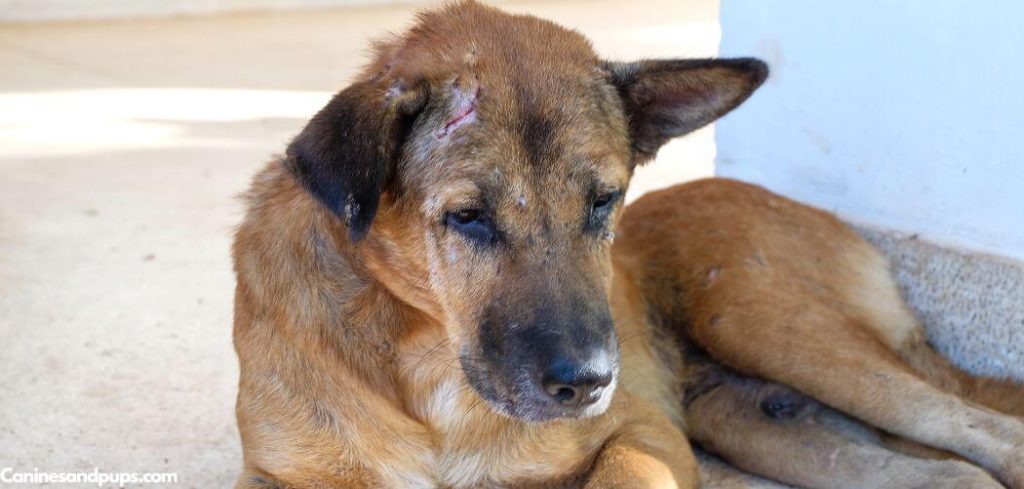
Depending on the underlying cause, a dog may also experience:
Constant paw licking or chewing
Red or swollen paws
Vomiting
Drooling or lip licking
Diarrhea
Reduced appetite
Lethargy
Paw odor or discharge
Dog Excessively Licking Paws and Vomiting: Common Causes
Food Allergy or Food Sensitivity
Food-related reactions can cause persistent itching, including licking and chewing of the paws. Some dogs with dietary sensitivities may also develop digestive symptoms such as vomiting or diarrhea.
You may notice redness between the toes, recurrent ear problems, skin irritation, or gastrointestinal upset alongside the paw licking.
Identifying a food trigger can be difficult because symptoms can resemble environmental allergies and other skin conditions. Your veterinarian may recommend a carefully controlled elimination diet rather than repeatedly changing foods.
Read more: Dog Licking Paws Excessively (Here’s why)
Environmental Allergies
Environmental allergens such as grasses, pollens, dust, or other substances can cause itchy paws. Dogs may lick their feet repeatedly after spending time outdoors.
The licking can irritate the skin further, creating inflammation and sometimes secondary bacterial or yeast infections.
Vomiting may occur at the same time because of gastrointestinal upset, something the dog has eaten outdoors, or another unrelated problem.
Yeast or Bacterial Paw Infection
Yeast and bacterial infections can cause intense paw irritation, leading dogs to lick and chew their feet repeatedly.
The paws may become red, swollen, have an unusual odor, develop discharge, or show brown or reddish staining from saliva.
Persistent licking can make the skin barrier weaker and allow infection to become more difficult to control.
Vomiting is not usually caused directly by a localized paw infection, so concurrent vomiting may indicate another illness or a more widespread problem.
Paw Injury or Irritation
A cut, torn nail, splinter, thorn, insect sting, or irritating substance can cause a dog to suddenly focus on one paw.
Dogs may lick the affected foot intensely, particularly if the injury is between the toes or around the nail.
If vomiting occurs as well, consider whether your dog may have eaten something unusual, been exposed to a toxin, or developed another problem at the same time.
Parasites
Fleas and other parasites can trigger intense itching and may cause dogs to lick or chew their paws and other areas of the body.
Some parasite infections can also contribute to gastrointestinal symptoms, particularly when internal parasites are involved.
Your veterinarian can examine the skin and recommend appropriate parasite testing and treatment.
Dietary Indiscretion
Eating garbage, spoiled food, unfamiliar foods, or other inappropriate items can cause vomiting. At the same time, a dog may lick their paws because something irritating was contacted outdoors or because they already have an unrelated skin problem.
Vomiting may be temporary, but repeated vomiting requires veterinary attention because it can cause dehydration and may indicate a more serious gastrointestinal problem.
Nausea and Gastrointestinal Disease
Nausea can cause behaviors such as lip licking, drooling, repeated swallowing, grass eating, and changes in appetite. A dog may also lick their paws as a separate comfort or displacement behavior.
Gastrointestinal disease can result from dietary changes, infections, parasites, inflammation, foreign objects, or other disorders.
Persistent vomiting, particularly when accompanied by lethargy or poor appetite, warrants veterinary evaluation.
Anxiety or Stress
Some dogs lick their paws excessively when they are anxious, bored, or stressed. Changes in routine, separation, loud noises, or environmental changes can increase repetitive licking.
However, vomiting should not automatically be attributed to anxiety.
A physical cause should be considered first when vomiting is recurring or accompanied by other symptoms.
Read more: Dog excessively licking paws and limping (Causes and what to do)
Dog Excessively Licking Paws and Vomiting: What to Do
Move your dog somewhere calm and make sure fresh water is available. Examine the paws gently for obvious cuts, swelling, redness, foreign material, or irritation between the toes, but avoid applying human creams or medications without veterinary guidance.
If your dog has vomited only once and otherwise appears bright and comfortable, monitor them closely for additional symptoms.
However, repeated vomiting, refusal to drink, lethargy, diarrhea, or worsening paw irritation should prompt a call to your veterinarian.
Do not give human medications or attempt to induce vomiting unless a veterinarian specifically instructs you to do so.
When to Call or Visit Your Vet
Persistent paw licking combined with vomiting deserves veterinary attention because the two symptoms may have a shared cause or may represent separate problems.
Schedule an appointment if you notice:
Paw licking that continues for more than a day
Red, swollen, or painful paws
Paw odor or discharge
Recurrent vomiting
Reduced appetite
Repeated lip licking or drooling
Recurring skin problems
Weight loss
Seek emergency veterinary attention immediately if your dog develops:
Repeated or continuous vomiting
Vomiting blood
Severe weakness or collapse
Difficulty breathing
A swollen or painful abdomen
Repeated attempts to vomit without producing anything
Suspected poisoning
Seizures
Severe dehydration
Repeated vomiting or vomiting accompanied by collapse, breathing difficulty, severe pain, blood, or suspected poisoning requires immediate veterinary care.
Dog Excessively Licking Paws and Vomiting: Treatment
Veterinary treatment for a dog that is excessively licking its paws and vomiting begins with a physical examination of the paws, skin, mouth, and gastrointestinal system.
The veterinarian may also assess hydration and recommend blood tests, fecal testing, or diagnostic imaging if the vomiting is persistent.
Treatment may include anti-nausea medication, fluid therapy, pain relief, prescription gastrointestinal medication, or treatment specifically directed at the paw problem, depending on the examination findings.
Recovery and Monitoring
Recovery depends on the underlying cause. A dog with mild dietary upset may recover quickly, while allergies, paw infections, parasites, or chronic gastrointestinal disease may require longer-term management.
Monitor your dog’s vomiting, appetite, water intake, bowel movements, and paw appearance. If possible, note which paws are affected and whether the licking becomes worse after eating, going outdoors, or coming into contact with particular surfaces.
Contact your veterinarian if the licking continues, the paws become increasingly inflamed, or vomiting returns.
Key Takeaway
A dog excessively licking paws and vomiting may have food or environmental allergies, a paw infection, parasites, an injury, dietary upset, gastrointestinal disease, or several problems occurring together.
Occasional paw licking is normal, but persistent or intense licking usually indicates irritation, itching, pain, or another underlying problem.
If vomiting is repeated or accompanied by lethargy, poor appetite, abdominal pain, blood, collapse, or other concerning symptoms, contact your veterinarian promptly.
Emergency care is appropriate for repeated vomiting, suspected poisoning, severe weakness, difficulty breathing, or signs of an intestinal obstruction.


