
When a dog is excessively licking its paws and panting, the two behaviors may be connected, especially if the dog is uncomfortable, itchy, painful, anxious, or overheated.
Paw licking by itself is common in dogs, but frequent or persistent licking can indicate irritation or an underlying skin problem.
Panting can also be normal after exercise or in warm conditions, but panting that occurs without an obvious reason deserves more attention.
The combination is not specific to one condition. What it means depends on whether your dog is also limping, licking one particular paw, has red or swollen skin, seems restless, or is panting even while resting.
The timing also matters: a dog that starts both behaviors suddenly may need a different evaluation from a dog that has been licking its paws for weeks and only occasionally pants.
Table of Contents
Dog Excessively Licking Paws and Panting: Why It Happens
Dog excessively licking paws and panting can happen when paw irritation, itching, pain, heat, or stress makes a dog uncomfortable.
Excessive paw licking is often a sign of pruritus, or itching, which can result from allergies, parasites, or skin infections.
Panting has several possible explanations. Dogs naturally pant to cool themselves, but they may also pant when excited, stressed, or uncomfortable.
Because both signs have many possible causes, the combination should not automatically be attributed to allergies or anxiety.
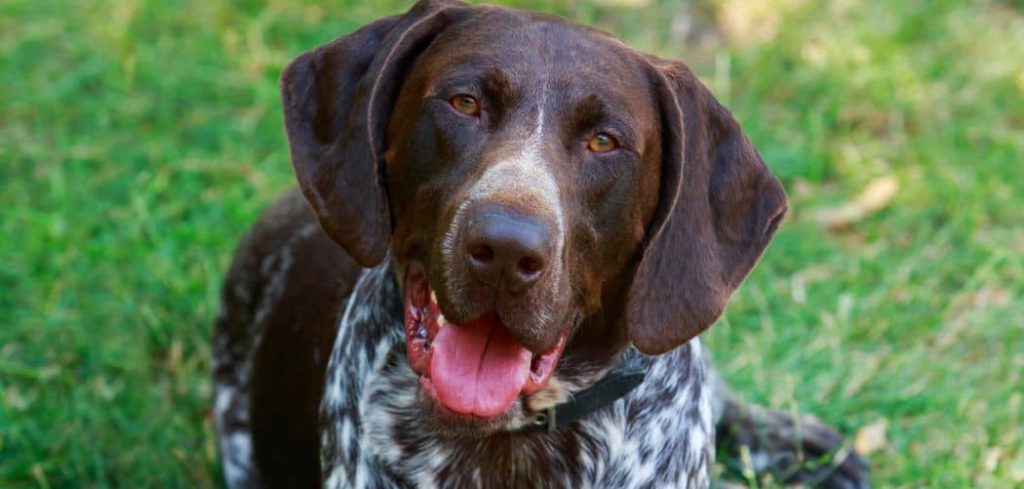
Dog Excessively Licking Paws and Panting: Common Causes
Allergies
Allergies are one of the more common reasons a dog may repeatedly lick its paws.
Environmental allergens such as pollens, molds, and dust can cause itchy skin, while food allergies can also contribute to persistent itching.
A dog with allergies may lick or chew its feet, scratch other areas of the body, rub its face, or develop recurrent ear problems.
Secondary bacterial or yeast infections can develop when the skin barrier is damaged by chronic licking and scratching.
Panting may occur because the dog is uncomfortable or restless from persistent itching. However, panting is not specific to allergies, so other causes should still be considered.
Related: Dog excessively licking lips suddenly (What it means)
Bacterial or Yeast Skin Infection
Repeated licking can damage the skin between the toes and around the paw pads, creating an environment where microorganisms can multiply.
Bacterial skin infections can cause redness, irritation, crusting, odor, discharge, pain, or swelling. Feet are among the areas that can be particularly susceptible to infection.
Yeast or bacterial overgrowth may also occur secondarily to an underlying allergy.
A dog that keeps licking despite treatment may therefore need evaluation for both the infection and the reason it developed.
Something Irritating the Paws
A dog may lick its paws after walking over an irritating surface or coming into contact with something that bothers the skin.
Irritation may affect one paw or several paws depending on what caused it.
You may notice increased licking shortly after walks, along with redness or tenderness of the paw pads or skin between the toes.
If the irritation is painful, the dog may also become restless or pant more than usual.
A Foreign Object or Paw Injury
A splinter, grass awn, thorn, broken nail, small cut, or another foreign object can cause a dog to focus intensely on one paw.
Dogs with painful lesions between the toes may lick and bite at their feet, and deeper infections can cause swelling and lameness.
This possibility becomes more important when the licking is sudden and concentrated on one paw rather than occurring equally on all four feet.
Related: Dog excessively licking paws and legs (Here’s Why)
Interdigital Infection or Furunculosis
Interdigital furunculosis causes painful inflammatory lesions between a dog’s toes. The affected areas may become red, swollen, or develop nodules, and dogs may lick or bite the lesions because they hurt. Lameness can occur as well.
These lesions can have several contributing factors, including infection, allergies, abnormal pressure on the feet, or foreign material.
A veterinarian may need to examine the paws closely to determine what is causing the problem.
Flea Allergy
Flea allergy can cause intense itching and excessive licking, chewing, and scratching. Dogs with flea allergy commonly develop itchy skin around the tail base, back, and thighs, although more widespread itching can occur.
If your dog is also restless or uncomfortable, panting may accompany the itching.
Importantly, you may not always see fleas on the dog, so their absence does not completely rule out flea-related skin disease.
Pain
Paw pain is another possibility, particularly when the licking started suddenly or involves one foot.
A broken nail, injury, inflamed skin, joint problem, or deeper tissue problem can cause discomfort.
Dogs may lick the painful area repeatedly, while pain or distress can contribute to panting. Lameness, reluctance to walk, difficulty getting comfortable, or repeatedly shifting weight can provide additional clues.
Stress or Anxiety
Some dogs lick themselves when they are nervous, overstimulated, or stressed. Panting is also a recognized sign of stress in dogs, particularly when they are panting despite not having exercised or become overheated.
For example, the behaviors may appear during thunderstorms, travel, unfamiliar situations, separation, or other stressful events.
However, stress should not be assumed to be the cause simply because a dog is panting. A physical problem should be considered, particularly when excessive paw licking is new or persistent.
Heat or Overheating
Panting is a dog’s primary way of releasing excess body heat. Warm weather, vigorous exercise, poor ventilation, or other situations that increase body temperature can cause substantial panting.
If paw licking happens at the same time, the behaviors may be unrelated. For example, a dog may lick irritated paws while also panting because it is hot.
Panting that is heavy, persistent, or accompanied by weakness, confusion, collapse, vomiting, or other concerning changes requires immediate veterinary attention because overheating can become dangerous quickly.
Related: Dog licking paws excessively (Causes and when to worry)
Dog Excessively Licking Paws and Panting but Acting Normal
If your dog is otherwise acting normally, eating, drinking, walking comfortably, and breathing normally, the situation may be less urgent.
Mild paw irritation, allergies, a small skin problem, or temporary stress could be involved.
Still, excessive licking is worth monitoring if it continues. Repeated licking can further irritate the skin and contribute to secondary infection.
If the panting continues while your dog is resting in a comfortable environment, however, it should not automatically be dismissed simply because the dog otherwise seems normal.
Dog Excessively Licking One Paw and Panting
Excessive licking of one paw makes a localized problem more likely. A damaged nail, foreign material, wound, insect bite, localized infection, or another painful problem may be responsible.
Look for obvious swelling, redness, discharge, bleeding, a damaged nail, or reluctance to put weight on the foot. A veterinarian should examine persistent or painful one-paw licking, especially if the cause is not obvious.
When to Call or Visit the Vet
Contact a veterinarian if your dog is excessively licking its paws and the behavior is persistent, worsening, or accompanied by other changes.
Seek immediate veterinary attention if you notice:
Persistent panting while your dog is resting and has not recently exercised
Difficulty breathing or unusually labored breathing
Weakness, collapse, confusion, or severe restlessness
Signs of overheating after exercise or exposure to heat
A swollen, very painful, or severely irritated paw
Bleeding, pus, significant discharge, or a strong odor from the paw
Sudden intense licking of one paw
Limping or refusing to put weight on a leg
A broken nail or obvious injury
Severe itching involving multiple areas of the body
Repeated vomiting, diarrhea, loss of appetite, or marked lethargy
Symptoms that continue or repeatedly return despite appearing mild
Dog Excessively Licking Paws and Panting: Treatment
Treatment depends on what is causing the paw licking and panting. A veterinarian will examine the paws, skin, nails, and the rest of the body and may perform skin tests or other diagnostics when infection, parasites, allergies, or a deeper problem is suspected.
If pain or lameness is present, the examination may also include an orthopedic or neurologic assessment.
Treatment may involve addressing an infection, allergy, parasite problem, injury, or other underlying condition rather than simply stopping the licking. I
Key Takeaway
Dog excessively licking paws and panting can result from several different problems, including allergies, skin infections, paw irritation, pain, stress, or overheating.
The two symptoms may be related, but they can also occur at the same time for completely separate reasons.
Pay particular attention to whether the licking affects one paw or several, whether the paws are red or swollen, and whether panting continues when your dog is resting.
Persistent licking or unexplained panting should be evaluated rather than assumed to be a harmless habit.
If panting is severe or accompanied by weakness, breathing difficulty, collapse, significant pain, or signs of overheating, prompt veterinary care is important.


