
Finding your dog suddenly drooling far more than usual can be unsettling, especially when they seem perfectly happy otherwise.
If your dog is eating, drinking, playing, and behaving normally, you may wonder whether the excessive drooling is harmless or the first sign of an illness.
The good news is that a dog excessively drooling but acting normal isn’t always experiencing a medical emergency. However, excessive drooling can also be an early symptom of dental disease or other health conditions that may not cause obvious changes in behavior right away.
In this guide, we explain the common reasons for a dog excessively drooling but acting normal, what you can do, and when it’s time to contact your veterinarian.
Table of Contents
Dog Excessively Drooling but Acting Normal: Why It Happens
A dog may drool excessively while otherwise acting normal because increased saliva production can occur before other symptoms develop or as a response to mild irritation in the mouth, stomach, or environment.
In some cases, the cause is harmless and temporary, while in others, excessive drooling is the earliest sign of an underlying medical condition.
Monitoring your dog’s behavior closely helps determine whether the problem is resolving or becoming more serious.
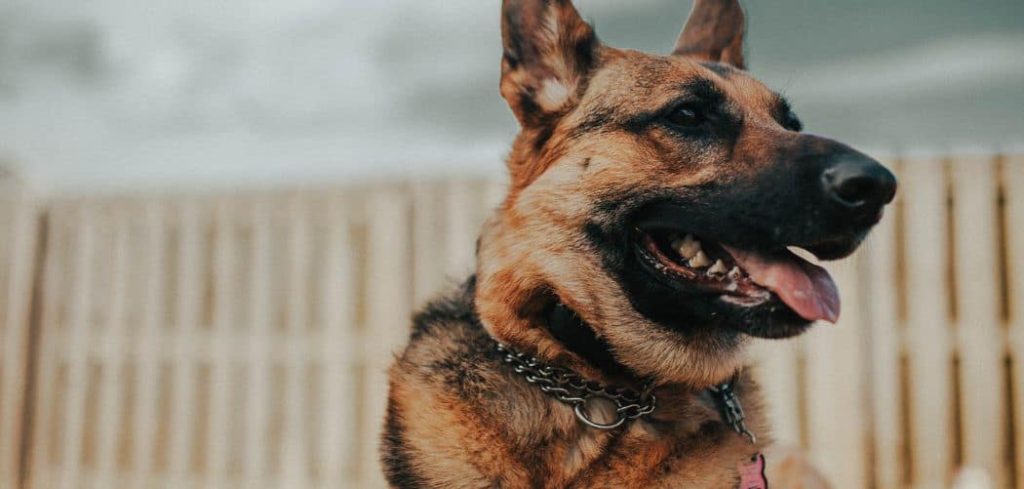
Even if your dog appears otherwise healthy, watch for subtle changes that may help identify the cause.
Common symptoms include:
Excessive saliva or drooling
Wet fur around the mouth or chest
Frequent swallowing
Occasional lip licking
Mild pawing at the mouth
Normal appetite and energy level
Normal drinking habits
No obvious signs of pain
Dog Excessively Drooling but Acting Normal: Common Causes
Breed-Related Drooling
Some breeds naturally produce more saliva than others because of the shape of their lips and facial structure.
Dogs such as Mastiffs, Bloodhounds, Saint Bernards, Bulldogs, and Newfoundlands may drool heavily even when completely healthy.
If your dog’s drooling suddenly increases beyond their usual amount, however, another cause should still be considered.
Read more: Dog Excessively Drooling Suddenly (Why it happens)
Excitement or Anticipation of Food
Many dogs drool when they become excited about food, treats, or favorite activities. The anticipation of eating stimulates saliva production as part of normal digestion.
This type of drooling usually stops shortly after the excitement passes and is not accompanied by any signs of illness.
Mild Nausea
Some dogs experience mild nausea without vomiting. They may drool, swallow frequently, or lick their lips while otherwise appearing bright and active.
This may occur after eating something rich, riding in the car, or experiencing mild digestive upset. If nausea worsens or vomiting develops, veterinary evaluation is recommended.
Dental Disease
Early dental disease can cause excessive drooling before dogs show obvious signs of pain. Inflamed gums, tartar buildup, loose teeth, or small oral infections may stimulate saliva production.
As dental disease progresses, owners may notice bad breath, difficulty chewing, pawing at the mouth, or decreased appetite.
Read more: Dog Panting and Excessively Drooling (What it means)
Something Irritating the Mouth
Grass seeds, tiny sticks, hair, food particles, or small pieces of toys can become lodged between the teeth or gums. Even minor irritation can trigger increased drooling while your dog otherwise behaves normally.
If the object remains in place, drooling often persists and may eventually become painful.
Teething in Puppies
If your dog is still a puppy, excessive drooling may simply be part of the teething process. As adult teeth erupt, mild gum irritation stimulates saliva production.
Puppies often chew more frequently during this stage but usually remain active and playful.
Mild Exposure to Bitter or Irritating Substances
Dogs sometimes drool after licking certain plants, bitter sprays, medications, soaps, or cleaning products. Even when these substances are not toxic, their unpleasant taste can stimulate excessive saliva production.
If you suspect exposure to a potentially poisonous substance, contact your veterinarian immediately regardless of how normal your dog appears.
Early Stage of Illness
Sometimes excessive drooling appears before other symptoms become obvious. Dogs in the early stages of nausea, oral infections, gastrointestinal disease, or neurological conditions may initially seem completely normal.
For this reason, any persistent increase in drooling should be monitored carefully over the next several hours.
Dog Excessively Drooling but Acting Normal: What to Do
Begin by observing your dog’s overall behavior. If they continue eating, drinking, playing, and interacting normally, the drooling may be temporary, but it is still worth monitoring closely.
Check your dog’s mouth if they are calm and willing to cooperate. Look for obvious food lodged between the teeth, grass, sticks, swelling, broken teeth, or visible injuries. Never force your dog’s mouth open if they resist or appear painful.
Offer fresh water and ensure your dog remains well hydrated. If the drooling followed eating, chewing on a toy, or exploring outdoors, gently monitor to see whether it improves over the next few hours.
Keep track of when the drooling began, whether it occurs continuously or only during certain situations, and whether any new symptoms develop. Taking photos or short videos can also be helpful if you need to consult your veterinarian later.
Avoid giving human medications or attempting home remedies. Some substances intended to reduce nausea or mouth irritation in people can be harmful to dogs.
When to Call or Visit the Vet
Although many cases are mild, persistent excessive drooling should always be discussed with your veterinarian if it does not resolve or if additional symptoms develop.
Schedule an appointment if you notice:
Drooling lasting longer than 24 hours
Bad breath
Mild swelling around the mouth
Frequent lip licking
Difficulty chewing
Reduced appetite
Pawing at the mouth
Recurring episodes of excessive drooling
Seek emergency veterinary attention immediately if your dog develops:
Difficulty breathing
Continuous vomiting
Inability to swallow
Collapse or severe weakness
Suspected poisoning
Heatstroke symptoms
Severe facial swelling
Seizures or loss of consciousness
Dog Excessively Drooling but Acting Normal: Treatment
Veterinary examination includes a complete physical examination of a dog’s mouth, teeth, gums, tongue, and throat. Blood work, urinalysis, dental X-rays, or imaging studies may be recommended if an underlying illness is suspected.
Treatment depends on the diagnosis. Dental disease may require professional cleaning or tooth extraction, while foreign objects lodged in the mouth must be removed safely.
Mild nausea may respond to supportive care or prescription medications if needed.
If poisoning, neurological disease, or another serious illness is identified, more intensive treatment such as hospitalization, intravenous fluids, or emergency care may be necessary.
Recovery and Monitoring
Recovery depends on what caused the excessive drooling. Dogs reacting to a harmless bitter taste or mild mouth irritation often return to normal within a few hours.
Dogs treated for dental disease or oral injuries usually improve quickly once the source of irritation is removed. More serious illnesses require ongoing treatment and follow-up care.
Continue monitoring your dog’s drooling, appetite, water intake, swallowing, and overall behavior over the next several days. If the drooling increases or additional symptoms such as vomiting, lethargy, or appetite loss develop, contact your veterinarian promptly.
Routine dental care and regular wellness examinations can help identify many causes of excessive drooling before they become more serious.
Key Takeaway
A dog excessively drooling but acting normal may simply be reacting to excitement, a mild stomach upset, breed characteristics, or temporary mouth irritation.
However, excessive drooling can also be the earliest sign of dental disease, nausea, oral injuries, toxin exposure, or other medical conditions that have not yet caused obvious symptoms.
While many cases resolve on their own, persistent drooling or drooling accompanied by vomiting, difficulty swallowing, facial swelling, or breathing problems should never be ignored. Early veterinary evaluation can identify the underlying cause and help prevent more serious complications.
If your dog’s excessive drooling continues, worsens, or is accompanied by any concerning changes in behavior or health, contact your veterinarian for advice. Prompt attention is the best way to ensure your dog remains comfortable and healthy.


