
If your dog suddenly starts drinking a lot more water than usual, it’s natural to feel concerned.
While thirst can fluctuate slightly with weather or activity, a noticeable and persistent increase in water consumption may signal something more serious.
In this guide, we outline the common reasons why a dog may drink a lot of water suddenly, what you can do, and when to seek veterinary care.
Table of Contents
Dog Drinking a Lot of Water Suddenly: Why It Happens
A sudden increase in water intake can be caused by kidney disease, diabetes, urinary tract infections, hormonal disorders, medications, or even stress.
While some causes are temporary and harmless, others may reflect a developing health issue that needs prompt attention.
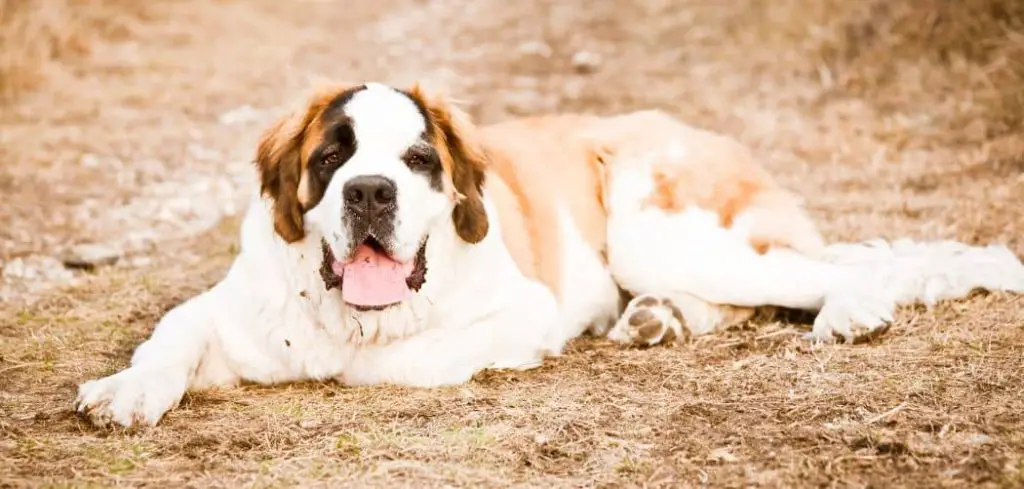
Dog Drinks a Lot of Water at Once — Is It Normal?
Drinking a large amount of water at once can be normal after exercise, excitement, or mild dehydration.
However, consistently gulping large volumes may indicate that the dog is trying to compensate for fluid loss or metabolic imbalance.
Rapid water intake can also increase the risk of vomiting or bloating.
If this behavior happens frequently or is paired with excessive urination or other symptoms, it should be medically evaluated.
Dog Drinking a Lot of Water Suddenly: Common Causes
Kidney Disease (Acute or Chronic)
The kidneys regulate fluid and waste in your dog’s body. If they’re not functioning properly, your dog will start drinking—and peeing—more to try and compensate.
This condition can develop gradually (chronic kidney disease) or appear suddenly due to toxins, infections, or injury (acute kidney injury).
Signs include increased thirst and urination, vomiting, bad breath, lethargy, and weight loss. Blood and urine tests are essential for diagnosis.
Related: Dog only drinking water and not eating (Here’s why)
Diabetes Mellitus
Diabetes causes high blood sugar levels, which spill into the urine and draw water with it, resulting in dehydration and increased thirst.
If your dog starts drinking excessively along with urinating frequently, losing weight, and acting hungry, diabetes should be ruled out.
This condition requires lifelong management with insulin and diet changes, but early intervention improves outcomes.
Urinary Tract Infection (UTI)
A UTI can cause your dog to urinate more often, which may trigger increased thirst to replace lost fluids.
Other symptoms include straining to urinate, accidents in the house, or licking the genital area.
UTIs are common and treatable with antibiotics, but need veterinary confirmation through urinalysis.
Cushing’s Disease
Cushing’s (hyperadrenocorticism) results from excess cortisol in the body and often causes a sharp increase in thirst.
Affected dogs may also pant excessively, develop a pot-bellied abdomen, and show thinning skin or fur.
The condition is confirmed with hormone testing and usually managed with daily medication.
Heat or Dehydration
Hot weather, exercise, or changes in environment can cause sudden thirst, especially if your dog hasn’t had enough water throughout the day.
This is usually temporary, but if your dog continues to drink heavily even in cool conditions or without exertion, something else may be going on.
Be cautious of overheating or heatstroke, which can cause collapse, panting, and vomiting.
Medication Side Effects
Steroids (like prednisone), diuretics, and some seizure or heart medications can increase thirst and urination.
If your dog recently started a new drug and their drinking habits changed, consult your vet about dosage or alternatives.
Never stop a prescribed medication without guidance, even if side effects seem strong.
My Dog is Drinking a Lot of Water and Peeing a Lot
Drinking and urinating more than normal, known as polydipsia and polyuria, commonly point to metabolic or hormonal conditions. Causes include diabetes mellitus, kidney disease, Cushing’s disease, urinary tract infections, or side effects of medications like steroids.
While increased water intake may seem harmless, it usually indicates that the body is struggling to maintain normal fluid balance and should be investigated by a veterinarian.
Read more: Dog Drinking a Lot of Water and Peeing a Lot (Here’s what it means)
Dog Suddenly Drinking a Lot of Water at Night
Sudden nighttime thirst can signal dehydration, anxiety, overheating, or early signs of illness such as kidney or endocrine disease.
Dogs may also drink more at night if they are uncomfortable or unable to regulate body fluids properly.
If nighttime drinking is new, excessive, or paired with increased urination, appetite changes, or restlessness, it warrants veterinary evaluation.
Female Dog Drinking a Lot of Water
In female dogs, excessive drinking may be related to the same systemic conditions seen in males, but there are additional concerns to consider.
A female dog drinking a lot of water may be responding to normal factors such as heat, pregnancy, nursing, activity, or diet changes.
However, excessive thirst in female dogs can also be linked to urinary tract infections, kidney disease, diabetes, hormonal conditions, or reproductive problems such as pyometra (uterine infection).
Female dogs that are not spayed and show increased thirst along with lethargy, vomiting, vaginal discharge, or loss of appetite require urgent veterinary attention.
Young dog drinking lots of water suddenly
In young dogs, a sudden increase in water intake is more commonly linked to temporary or lifestyle-related factors, such as hot weather, increased activity, salty foods, diet changes, or stress.
However, it can also signal illness, including infections, gastrointestinal upset, or early endocrine issues.
If excessive drinking persists for more than a day or two or is accompanied by vomiting, diarrhea, lethargy, or increased urination, veterinary attention is advised.
Related: Dog sick and not eating or drinking (What it means)
Senior Dog Drinking a Lot of Water Suddenly
When a senior dog suddenly starts drinking a lot more water, it is often a sign of an underlying medical issue rather than a simple habit change.
Common causes include kidney disease, diabetes, Cushing’s disease, urinary tract infections, or dehydration.
Older dogs are less able to regulate fluids efficiently, so sudden excessive thirst should always be taken seriously and evaluated promptly by a veterinarian.
Do Dogs Drink a Lot of Water Before They Die?
Some dogs may drink more water in the final stages of serious illness, but excessive drinking is not a universal sign of dying.
Increased thirst often reflects underlying conditions such as kidney failure, diabetes, Cushing’s disease, infection, or dehydration rather than the dying process itself.
Sudden or extreme changes in drinking behavior should always be evaluated, as early treatment of the underlying cause can be lifesaving.
Read more: Old do behavior before death (Common Signs)
Should I Be Worried If My Dog Is Drinking More Water Than Usual?
You should pay attention if your dog is drinking noticeably more water than usual, especially if the change is sudden or lasts for several days.
Increased thirst may be caused by harmless factors such as heat, increased activity, or diet changes, but it can also be an early sign of illness.
Be concerned if excessive drinking is accompanied by frequent urination, weight loss, changes in appetite, vomiting, diarrhea, lethargy, or changes in behavior.
What to Do If Your Dog Starts Drinking Excessively
Measure how much your dog is drinking over 24 hours. On average, a dog should consume about 1 ounce of water per pound of body weight daily.
Make sure the water is clean and readily accessible to rule out dehydration from limited access.
Watch for other symptoms: changes in urination, appetite, energy, weight, or behavior help narrow down the cause.
Check whether your dog recently started any medications, changed diet, or experienced stress.
Don’t withhold water—limiting intake can be harmful, especially if there’s an underlying medical reason for the thirst.
When to Call or Visit Your Vet
Call your vet if your dog:
Drinks significantly more water than usual for more than a day or two.
Starts having frequent accidents or needs to urinate more often.
Loses weight, becomes lethargic, or acts abnormally.
Shows signs of vomiting, diarrhea, or poor appetite.
Has recently started medication or had a health event (e.g., surgery).
Your vet may recommend bloodwork, urinalysis, imaging, or hormone tests to determine the cause.
Read more: Dog Drinking a Lot of Water and Losing Weight (Could it be diabetes?)
Dog Drinking a Lot of Water Suddenly: Treatment
Treatment for a dog drinking a lot of water suddenly depends on the underlying cause. The veterinarian may perform blood tests, urine tests, imaging, or other examinations to identify conditions affecting the kidneys, hormones, metabolism, or urinary system.
Treatment may include medication for infections, dietary changes, management of diabetes or kidney disease, treatment for hormonal disorders, or adjustments to medications causing increased thirst.
If the cause is harmless, your veterinarian can provide guidance on normal water intake and monitoring.
Early evaluation is important because sudden changes in drinking habits can be one of the first signs of disease.
Other Common Concerns:
Dog Drinking a Lot of Water Suddenly and Panting
A dog suddenly drinking a lot of water and panting may be responding to heat, exercise, stress, anxiety, pain, or dehydration.
However, excessive thirst combined with panting can also occur with fever, hormonal disorders, heart problems, respiratory issues, or other illnesses.
If your dog is panting while resting, drinking excessively without an obvious reason, or showing weakness, vomiting, restlessness, or breathing difficulties, veterinary evaluation is recommended.
Dog Drinking a Lot of Water Suddenly and Vomiting
A dog drinking a lot of water suddenly and vomiting may be experiencing stomach irritation, dehydration, gastrointestinal disease, or another underlying condition.
Some dogs drink large amounts because they feel dehydrated after vomiting, but drinking too quickly can trigger more vomiting.
Other possible causes include kidney disease, toxin exposure, pancreatitis, intestinal blockage, or infections. If your dog cannot keep water down, vomits repeatedly, appears painful, or becomes lethargic, seek veterinary care immediately.
Read more: Dog throwing up and drinking a lot of water (Why it happens)
Dog Drinking a Lot of Water Suddenly and Not Eating
A dog drinking a lot of water suddenly while refusing food may be showing signs of illness.
Loss of appetite combined with increased thirst can occur with kidney disease, diabetes, infections, digestive problems, dental pain, pancreatitis, or other medical conditions.
While stress or minor stomach upset can temporarily reduce appetite, sudden changes in both eating and drinking habits should not be ignored.
Contact a veterinarian if your dog refuses food for more than 24 hours or shows weakness, vomiting, diarrhea, or unusual behavior.
Dog Drinking a Lot of Water Suddenly and Diarrhea
A dog drinking a lot of water suddenly with diarrhea may be trying to replace fluids lost through loose stools.
Mild digestive upset from diet changes, stress, or eating something inappropriate can cause this combination. However, excessive thirst with diarrhea may also occur with infections, parasites, intestinal disease, or other illnesses.
Monitor your dog for dehydration signs such as dry gums, weakness, sunken eyes, or reduced energy.
Veterinary care is recommended if diarrhea is severe, bloody, persistent, or accompanied by vomiting or lethargy.
Dog Drinking a Lot of Water Suddenly and Shaking
A dog drinking a lot of water suddenly and shaking may be experiencing discomfort, anxiety, pain, nausea, fever, toxin exposure, or a metabolic problem.
Shaking can occur when dogs feel unwell, while increased thirst may indicate dehydration or an underlying illness.
If your dog is also weak, vomiting, panting excessively, acting confused, or having trouble walking, seek veterinary attention immediately.
Key Takeaway
If your dog is drinking a lot of water suddenly, it could be a red flag for a medical issue such as kidney disease, diabetes, or infection.
Track symptoms, keep your dog hydrated, and consult your veterinarian to catch and treat any underlying problem early. It’s always better to be cautious when sudden changes arise.


