
If your dog is drinking a lot of water and looks bloated, it’s a combination that should never be ignored.
Bloating can be mild, but when paired with excessive thirst, it may indicate a dangerous condition that requires immediate veterinary attention.
Table of Contents
Dog Drinking a Lot of Water and Bloated: Why It Happens
Excessive drinking and a bloated appearance in dogs can result from gastrointestinal issues, bloat (gastric dilatation-volvulus), heart disease, liver disease, or endocrine disorders like Cushing’s.
These conditions can cause fluid retention, gas buildup, or organ dysfunction that alters your dog’s hydration needs and abdominal shape.
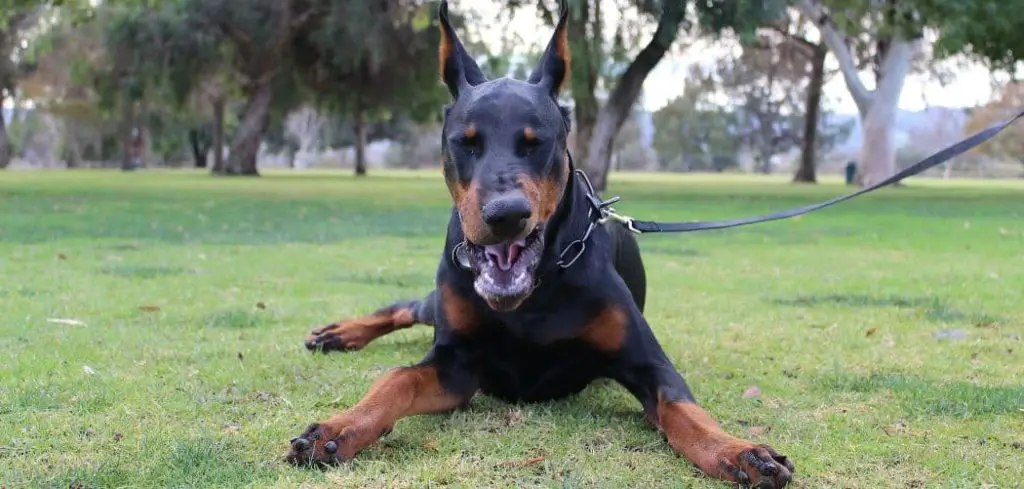
What Are The First Signs of Bloat In A Dog?
The first signs of bloat usually appear suddenly and worsen quickly. Early symptoms include restlessness, pacing, drooling, repeated attempts to vomit without producing anything, and a visibly enlarged or tight abdomen.
Some dogs may also show signs of discomfort when lying down or may stand and stretch frequently.
As the condition progresses, the dog may become weak, have difficulty breathing, collapse, or show signs of shock. Bloat is a medical emergency that requires immediate veterinary care.
Do Dogs Drink A Lot of Water With Bloat?
Dogs with bloat do not typically drink a lot of water as a primary symptom.
In fact, many dogs with bloat may try to drink but cannot keep anything down or may show repeated attempts without relief.
The more noticeable signs are abdominal distension, restlessness, drooling, and unproductive retching.
Excessive drinking is more commonly associated with other conditions like kidney disease, diabetes, or hormonal disorders, not true bloat. However, a dog that is bloated and trying to drink repeatedly should be treated as an emergency.
Dog Drinking a Lot of Water and Bloated: Common Causes
Gastric Dilatation-Volvulus (GDV or Bloat)
GDV is a life-threatening emergency where the stomach fills with gas and twists on itself, cutting off blood flow.
Affected dogs may try to vomit but produce nothing, appear anxious or restless, drool excessively, and develop a tight, distended belly.
Excessive drinking may precede or follow this condition as dogs try to cope with discomfort. GDV progresses rapidly and requires immediate surgery.
Ascites
Ascites refers to fluid buildup in the abdominal cavity. It can cause bloating and is often linked to liver failure, heart disease, or cancer.
Dogs may drink more water in an attempt to offset fluid imbalances, but the bloated belly won’t go away with urination.
Signs include slow movement, difficulty breathing, loss of appetite, and visible abdominal distension. Diagnosis typically involves imaging and fluid analysis.
Cushing’s Disease
Cushing’s causes elevated cortisol levels, which disrupt fluid retention and cause thirst, increased urination, and a pot-bellied appearance.
Though the belly may not feel tight like in GDV, it appears round due to muscle wasting and organ enlargement.
Other signs include hair loss, skin thinning, and lethargy. Hormonal testing is required, and treatment involves medication to suppress cortisol production.
Intestinal Obstruction or Gas Buildup
If your dog eats something that blocks the intestines or causes excessive gas, the stomach and intestines can become distended.
Your dog may gulp water to soothe nausea, but vomiting, restlessness, and a lack of bowel movements often follow.
These cases require immediate veterinary care to prevent rupture or shock. X-rays and abdominal palpation help confirm the diagnosis.
Read more: Dog Drinking a Lot of Water and Diarrhea (Here’s why)
Liver Disease
Liver dysfunction disrupts protein balance, causing fluid to leak into the abdomen. This leads to a soft, bloated appearance, increased thirst, and reduced energy.
Other signs include yellowing of the eyes or gums, vomiting, and confusion (hepatic encephalopathy).
Bloodwork and imaging will guide treatment, which often includes a low-protein diet, fluid management, and medications to support liver function.
Senior Dog Drinking a lot of Water and Bloated
A senior dog that is both drinking a lot of water and appearing bloated may be suffering from a serious underlying condition.
Excessive thirst can be linked to kidney disease, diabetes, or hormonal imbalances, while bloating may indicate gastrointestinal issues, fluid buildup, or organ enlargement.
This combination is concerning because it may point to systemic disease rather than a simple stomach upset.
Veterinary evaluation is important to determine whether the bloating is gas-related, fluid-related, or organ-related, and to start appropriate treatment as early as possible.
Related: Senior dog drinking a lot of water and bloated (Causes and treatment)
Dog Drinking a Lot and Bloated: What to Do
Check if your dog’s bloated belly is firm and tight or soft and saggy—this distinction helps vets determine urgency.
Limit physical activity and keep your dog calm. Overexertion can worsen symptoms in conditions like GDV.
Avoid giving food or treats until evaluated by a vet, especially if vomiting or restlessness is present.
Monitor for breathing difficulty, non-productive retching, or sudden collapse—all red flags that require emergency care.
Call your vet immediately if the bloating appears rapidly or your dog is in visible discomfort. Time is critical in serious abdominal conditions.
When to Call or Visit Your Vet
Seek veterinary help right away if your dog:
Has a bloated belly that appears suddenly or feels hard
Tries to vomit but produces nothing
Is drinking excessively and seems restless or lethargic
Has difficulty breathing or walking
Shows signs of collapse, disorientation, or unresponsiveness
Veterinary tests may include X-rays, ultrasound, bloodwork, or emergency surgery depending on the cause and severity.
Read more: Dog Drinking a Lot of Water and Vomiting (Is It an emergency?)
Key Takeaway
A dog that’s drinking excessively and appears bloated should be evaluated as soon as possible. While it could be related to a chronic condition like Cushing’s or liver disease, it could also be an emergency like bloat.
Monitor symptoms closely, don’t wait for things to improve on their own, and seek veterinary attention quickly to ensure the best outcome for your dog.


