
Dog diarrhea and vomiting after spay surgery can be worrying, especially when your dog has only recently come home from the procedure.
Some dogs experience nausea around anesthesia or have temporary changes in appetite and digestion after surgery, but vomiting and diarrhea should not automatically be considered a normal part of recovery.
Veterinary postoperative instructions commonly recommend contacting the veterinary team when vomiting or diarrhea develops after a spay.
The significance depends on when the symptoms started, how often they are happening, whether your dog can keep water down, and whether there are other signs such as pain, weakness, pale gums, abdominal swelling, or changes around the incision.
The type of procedure, medications given, and your dog’s condition before surgery are also important when determining what may be happening.
Table of Contents
Dog Diarrhea and Vomiting After Spay: Why It Happens
Dog diarrhea and vomiting after spay can happen because anesthesia, medications, stress, changes in eating, or the underlying condition being treated can temporarily affect the gastrointestinal tract.
Some dogs feel nauseated after general anesthesia, while gastrointestinal inflammation can also produce both vomiting and diarrhea.
However, repeated vomiting or diarrhea after surgery can also signal a problem that needs veterinary assessment.
Because a spay is an abdominal surgery, persistent or worsening gastrointestinal symptoms should not simply be attributed to anesthesia.
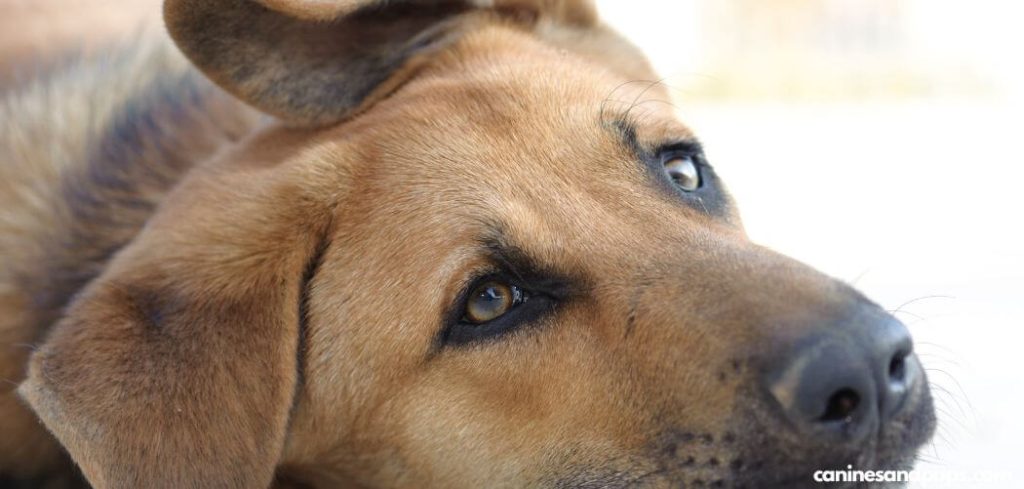
Dog Diarrhea and Vomiting After Spay: Common Causes
Nausea after anesthesia
Anesthesia can temporarily make some dogs nauseated.
This may be most noticeable shortly after the procedure, particularly when a dog begins eating again.
Veterinary postoperative guidance may recommend offering smaller meals because some dogs experience nausea following general anesthesia.
A brief episode of nausea is different from repeated vomiting or ongoing diarrhea. If your dog continues vomiting or develops additional symptoms, the veterinary team should be contacted.
Related: Dog not eating or drinking after spay (Why it happens)
Stress from surgery and hospitalization
A veterinary visit, anesthesia, surgery, handling, unfamiliar surroundings, and changes in routine can all be stressful.
Stress can affect the gastrointestinal tract and contribute to loose stool. However, stress should not automatically be assumed to be the explanation when both vomiting and diarrhea are occurring after surgery.
Changes in food or feeding
Your dog may have been fasted before surgery and may receive a different feeding schedule afterward.
Eating too quickly after fasting, receiving unfamiliar food, or changing the diet during recovery can contribute to gastrointestinal upset.
Postoperative instructions generally recommend returning to the dog’s regular diet rather than introducing new foods or table scraps during recovery.
Related: Dog not pooping after spay (Here’s why)
Medication-related stomach upset
Dogs may receive pain medications, antibiotics, or other medications around the time of surgery.
Some medications can cause gastrointestinal upset in susceptible dogs. If vomiting or diarrhea began after starting a medication, tell your veterinarian exactly what your dog received and when.
Do not stop or change prescribed medication on your own without contacting the veterinary team, because the appropriate response depends on the medication and the reason it was prescribed.
Gastroenteritis
Gastroenteritis is inflammation of the stomach and intestines and can cause both vomiting and diarrhea.
It may result from infection, parasites, dietary indiscretion, medications, or new foods.
The timing after a spay can make the surgery seem responsible even when a separate gastrointestinal problem is developing.
Dietary indiscretion
Dogs sometimes eat something they should not while recovering from surgery.
This could include table scraps, treats, garbage, plants, or another unfamiliar substance.
Dietary indiscretion can cause vomiting and diarrhea, although more serious problems such as toxin exposure or an intestinal obstruction can sometimes produce similar signs.
Dehydration
Vomiting and diarrhea can cause fluid loss, particularly when they occur together.
Dehydration can then make a recovering dog feel weaker and can complicate recovery.
This is one reason persistent vomiting or diarrhea after surgery should be reported rather than monitored indefinitely at home.
A gastrointestinal obstruction or another serious illness
Vomiting and diarrhea can sometimes occur with an intestinal obstruction, gastrointestinal infection, poisoning, pancreatitis, or other significant illness.
An obstruction is particularly important to consider if your dog is repeatedly vomiting, has abdominal pain or swelling, cannot keep water down, or has stopped passing normal stool.
A postoperative complication
Although spaying is routinely performed and complications are uncommon, surgery can occasionally be followed by complications.
Vomiting and diarrhea alone do not establish that a surgical complication has occurred.
However, if they are accompanied by worsening abdominal pain, marked weakness, pale gums, significant swelling, bleeding or discharge from the incision, difficulty breathing, or a sudden deterioration in your dog’s condition, the veterinary team should assess your dog immediately.
Dog Vomiting and Diarrhea After Spay but Acting Normal
A dog may have a mild digestive upset after surgery while still appearing reasonably alert.
A dog that has one episode of vomiting or a loose stool but then returns to normal behavior is different from a dog that repeatedly vomits or has frequent watery diarrhea.
Even so, postoperative instructions from veterinary organizations advise contacting the veterinary team when vomiting or diarrhea occurs after spay/neuter surgery.
Your veterinarian can determine whether the symptoms are likely to be a temporary reaction or whether your dog should be examined.
Dog Vomiting and Diarrhea the Day After Spay
Vomiting and diarrhea the day after a spay can still be related to nausea, medication, stress, or digestive upset, but it should be reported to the veterinarian rather than automatically assumed to be normal recovery.
The timing, frequency of episodes, appetite, water intake, medications, and surgical findings all help determine whether additional evaluation is needed.
If your dog is becoming increasingly quiet, painful, weak, dehydrated, or unable to keep water down, prompt assessment is especially important.
Dog Has Diarrhea and Vomiting After Spay With Blood
Blood in vomit or stool makes postoperative gastrointestinal symptoms more concerning.
A small amount of fresh blood can sometimes occur with irritation of the lower intestinal tract, but bloody diarrhea can also accompany more significant gastrointestinal disease.
Repeated vomiting or diarrhea, especially with blood, weakness, abdominal pain, or dehydration, warrants immediate veterinary attention.
Black, tar-like stool or vomit containing a significant amount of blood should be treated as an urgent concern.
Dog Has a Swollen Abdomen and Vomiting After Spay
Abdominal swelling together with vomiting is particularly important after abdominal surgery.
A swollen or painful abdomen can have several possible explanations, and it cannot be diagnosed from appearance alone.
If your dog’s abdomen becomes noticeably enlarged, tense, or painful, particularly when vomiting or repeated attempts to vomit are also occurring, contact a veterinarian promptly.
Repeated unproductive attempts to vomit accompanied by abdominal distension are an emergency sign in dogs.
When to Call or Visit the Vet
Because vomiting and diarrhea are not considered routine postoperative signs by many spay/neuter aftercare protocols, contact your veterinarian or the surgical team if either symptom develops after the procedure.
Seek immediate veterinary attention if your dog has:
Repeated vomiting or diarrhea
Blood in the vomit or stool
Black or tar-like stool
Inability to keep water down
Marked lethargy or weakness
Pale gums
Significant loss of appetite or reduced water intake
Signs of dehydration
Abdominal pain or a swollen, tense abdomen
Repeated attempts to vomit without producing anything
Difficulty breathing
Significant bleeding, discharge, or worsening swelling around the incision
Increasing pain or a sudden deterioration in behavior
Difficulty urinating or defecating
Symptoms that are becoming more frequent or severe
Repeated or continuous vomiting or diarrhea can lead to dehydration and may occur with intestinal obstruction, infection, poisoning, or other serious conditions.
Dog Diarrhea and Vomiting After Spay: Treatment
Treatment depends on whether the symptoms are related to postoperative nausea, medication effects, dietary upset, gastroenteritis, dehydration, or a surgical or gastrointestinal complication.
The veterinarian will review the procedure and medications, examine your dog, assess hydration and the incision, and may recommend blood tests, fecal testing, abdominal X-rays, ultrasound, or other diagnostics depending on the symptoms.
Treatment is directed at the underlying cause and may include veterinary management of nausea, dehydration, gastrointestinal disease, or postoperative complications when appropriate.
Key Takeaway
Dog diarrhea and vomiting after spay should not automatically be considered a normal reaction to anesthesia.
Mild nausea can occur after anesthesia, and stress, medications, or changes in feeding can also affect digestion, but vomiting and diarrhea can have other causes that require treatment.
A single mild digestive episode may have a less serious explanation, but repeated vomiting or diarrhea is more concerning—especially when it occurs with blood, abdominal pain, weakness, dehydration, poor appetite, pale gums, or changes around the surgical incision.
Because your dog has recently undergone surgery, it is appropriate to contact the veterinary team that performed the spay if vomiting or diarrhea develops.
Immediate evaluation is particularly important if symptoms are persistent, worsening, or accompanied by signs of significant illness.