
A dog coughing but still eating and drinking normally may seem less concerning because appetite and water intake are often among the first things owners notice when a dog becomes unwell.
A dog may continue finishing meals, drinking normally, playing, and behaving as usual even though a cough keeps occurring.
Normal eating and drinking are reassuring signs, but they do not explain the cough or completely rule out illness.
Understanding the possible reasons for this pattern can help you recognize when a cough can be watched and when it needs veterinary attention.
Table of Contents
Dog Coughing but Still Eating and Drinking: Why It Happens
A dog may be coughing but still eating and drinking because some respiratory and airway conditions can cause coughing without immediately affecting appetite or thirst.
Dogs with mild or early respiratory problems may continue to eat and drink normally, particularly when they have no significant breathing difficulty or systemic illness.
A normal appetite does not mean the cough is harmless, however. A persistent or recurring cough can still require investigation even when your dog otherwise seems comfortable.
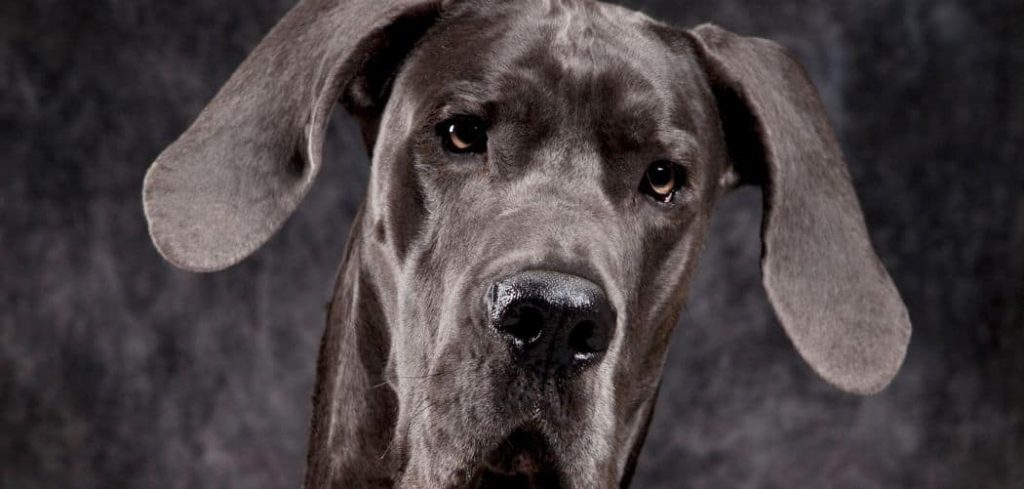
Dog Coughing but Still Eating and Drinking:Common Causes
Tracheal collapse
Tracheal collapse can cause a persistent dry or honking cough while a dog continues to eat and drink normally.
The cough may become more noticeable with barking, excitement, exercise, heat, or pressure around the neck. Dogs with milder disease can appear completely normal between episodes.
The fact that a dog maintains a normal appetite does not rule out tracheal disease.
Kennel cough and other respiratory infections
Kennel cough is one of the more common reasons a dog may cough while continuing to eat and drink normally.
The cough can be dry, harsh, hacking, or honking and may occur repeatedly throughout the day. Some dogs remain active and have little change in their appetite.
Recent exposure to other dogs can be an important clue, especially after boarding, grooming, daycare, training classes, or visits to areas where many dogs gather.
Other respiratory infections can also begin with coughing before additional symptoms become noticeable.
Throat irritation
Temporary irritation of the throat can cause coughing without affecting appetite or drinking.
Dust, smoke, strong fragrances, airborne particles, or plant material may irritate the respiratory tract. A dog may continue eating and drinking normally because the irritation is mild.
If the cough continues despite the suspected irritant being removed, another cause should be considered.
Related: Dog coughing up phlegm (Causes and when to worry)
Chronic bronchitis
Dogs with chronic bronchitis may have a recurring cough while maintaining normal eating and drinking habits.
The cough can become more noticeable during activity or excitement and may persist for an extended period.
Because chronic airway inflammation can exist without obvious changes in appetite, a long-lasting cough should be evaluated rather than judged by appetite alone.
Airway inflammation or environmental sensitivity
Some dogs develop airway inflammation that causes intermittent coughing without obvious systemic illness.
The cough may be associated with particular environments or airborne irritants.
However, environmental sensitivity is only one possibility, and persistent coughing may require testing to distinguish it from infection, airway disease, heart disease, or other conditions.
Related: Dog Coughing but No Other Symptoms (Should you worry?)
Heart disease
Certain heart conditions can cause coughing, particularly when they affect heart function or the circulation through the lungs.
A dog with early or relatively mild heart disease may continue eating and drinking normally. More noticeable signs may develop later, including reduced stamina, faster breathing while resting, weakness, fainting, or difficulty breathing.
Coughing by itself does not prove that heart disease is present.
Heartworm disease
Heartworm disease can affect the lungs and cardiovascular system and may cause coughing while a dog initially continues to behave normally.
The importance of this possibility depends on the dog’s exposure risk, prevention history, and testing history. Your veterinarian can determine whether heartworm testing is appropriate.
Related: Dog Coughing but No Other Symptoms (Causes and when to worry)
Upper-airway or laryngeal problems
Problems involving the larynx or other upper-airway structures can cause coughing, throat clearing, gagging, or noisy breathing.
A dog may still eat and drink normally, especially when the condition is mild. Some dogs eventually develop changes in their bark, difficulty swallowing, or breathing problems.
Foreign material irritating the throat or airway
A piece of grass, plant material, food, or another foreign substance can trigger coughing.
A dog may continue eating and drinking if the irritation is limited, but sudden coughing after chewing or eating something should be taken seriously if it persists.
Repeated swallowing, drooling, pawing at the mouth, gagging, or distress can suggest a problem that needs veterinary examination.
Lung disease
Less commonly, coughing can be associated with disease affecting the lungs or structures within the chest.
Some conditions may initially cause few obvious changes outside the respiratory system. A dog may therefore continue eating and drinking normally even though the cough persists.
Persistent or progressively worsening coughing should be investigated rather than dismissed because the appetite remains normal.
Dog Coughing but Eating Normally
A dog that is coughing but eating normally may still have a respiratory condition.
Normal eating suggests that your dog is not currently experiencing enough illness or discomfort to significantly suppress appetite, but it does not identify the cause of the cough.
Pay attention to whether your dog is eating at the same speed as usual and whether coughing occurs while eating, immediately afterward, or at unrelated times.
Coughing associated with eating or drinking can provide useful information about the location and nature of the problem.
Dog Coughing but Drinking Normally
Continuing to drink normally is also reassuring, particularly if your dog is maintaining normal hydration and activity.
However, drinking normally does not exclude respiratory disease, heart disease, or airway irritation. If coughing is persistent, the pattern of drinking-related coughing can be especially useful.
For example, repeated coughing while drinking may point toward irritation or dysfunction involving the throat or upper airway and deserves veterinary assessment if it continues.
Related: Dog coughing up blood (Causes and treatment)
Dog Coughing but Still Eating, Drinking, and Acting Normal
Some dogs with a cough continue to eat, drink, sleep, play, and interact normally.
This pattern can occur with mild respiratory infections, airway irritation, tracheal disease, and some chronic respiratory conditions. It is encouraging that the dog is otherwise functioning normally, but the cough itself still matters.
A cough that lasts for days or weeks, repeatedly returns, or gradually becomes more frequent should be evaluated even if everything else appears normal.
Dog Coughing After Eating but Still Eating and Drinking
Coughing that repeatedly occurs during or shortly after meals is worth mentioning to a veterinarian.
The timing may help distinguish a general respiratory cough from a problem involving swallowing or the upper airway. Eating too quickly can also coincide with coughing in some dogs, but recurrent coughing around meals should not automatically be attributed to eating speed.
If coughing is accompanied by gagging, repeated swallowing, drooling, difficulty swallowing, or breathing changes, veterinary assessment becomes more important.
When to Call or Visit the Vet
Normal eating and drinking are reassuring, but a persistent cough still deserves attention.
Contact your veterinarian if your dog:
Continues coughing for several days or the cough keeps returning
Has increasingly frequent or severe coughing episodes
Coughs repeatedly during exercise or excitement
Coughs during or immediately after eating or drinking
Develops gagging, retching, or difficulty swallowing
Develops nasal discharge or other respiratory signs
Has reduced exercise tolerance
Becomes lethargic or less active
Develops fever, weakness, or a reduced appetite
Coughs up blood
Has a known heart or respiratory condition and develops a new cough
Seek prompt veterinary attention if your dog develops difficulty breathing, very rapid or labored breathing while resting, blue/gray or unusually pale gums, weakness, fainting, collapse, or a sudden severe worsening of respiratory signs.
Dog Coughing but Still Eating and Drinking: Treatment
Treatment depends on the underlying cause of the cough.
A veterinarian will typically perform a physical examination and listen to the heart and lungs, then decide whether tests such as chest X-rays, blood work, heartworm testing, airway evaluation, or other respiratory or cardiac diagnostics are appropriate.
If coughing is closely associated with eating or swallowing, examination of the mouth and upper airway may also be considered.
Key Takeaway
A dog coughing but still eating and drinking can have a relatively mild respiratory problem, but normal appetite and thirst do not rule out an underlying medical condition.
Kennel cough, airway irritation, tracheal disease, chronic bronchitis, and other respiratory problems can occur while a dog otherwise appears healthy.
The cough’s duration, frequency, sound, triggers, and progression are more informative than appetite alone.
A dog that continues to eat and drink normally is generally less concerning than one with severe illness, but a cough that persists or repeatedly returns should still be assessed.
If your dog develops breathing difficulty, abnormal gum color, weakness, collapse, or a sudden severe change in breathing, seek immediate veterinary care regardless of whether the dog is still eating and drinking.