
A dog coughing but not throwing up can look alarming, particularly when the coughing is forceful or followed by gagging.
You may see a dog repeatedly cough, retch, or make an effort to clear the throat without producing food, liquid, foam, or other material.
The fact that nothing is coming up can help distinguish coughing from true vomiting, but it does not by itself identify the cause.
The meaning depends on your dog’s other symptoms, age, health history, how the cough sounds, how often it happens, and whether the episodes occur during eating, drinking, exercise, excitement, or rest.
Knowing the difference between coughing and vomiting can help you recognize what may be happening and when your dog should be examined.
Table of Contents
Dog Coughing but Not Throwing Up: Why It Happens
A dog may be coughing but not throwing up because coughing is a respiratory reflex rather than a vomiting process. Irritation or inflammation in the throat, windpipe, or lungs can trigger repeated coughing without producing anything from the stomach.
A forceful cough can also trigger the gag reflex, making a dog appear to be trying to vomit even when the original problem is in the respiratory tract.
This is why some dogs cough several times and then gag or retch without bringing anything up.
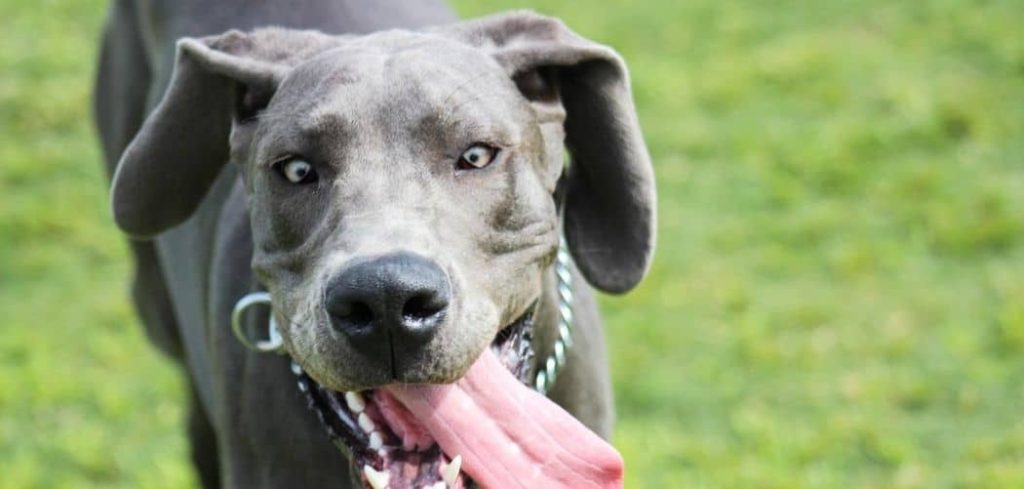
Dog Coughing but Not Throwing Up: Common Causes
Respiratory infections
Respiratory infections are a common reason dogs develop coughing without vomiting.
Kennel cough can cause a persistent dry, harsh, or honking cough. Some dogs gag or retch at the end of a coughing episode but do not actually vomit.
Many dogs with mild respiratory infections continue eating, drinking, and behaving normally, although additional signs can develop depending on the infection.
Related: Dog coughing up phlegm (Causes and when to worry)
Throat irritation
Irritation of the throat can cause coughing without causing vomiting.
Dust, smoke, strong fragrances, airborne particles, grass, or other environmental irritants can make the throat sensitive.
Repeated coughing can then cause further irritation and trigger additional coughing or gagging.
Tracheal collapse
Tracheal collapse can produce a dry, repetitive cough that is sometimes mistaken for an attempt to vomit.
The cough may sound harsh or honking and can become more noticeable with excitement, barking, exercise, heat, or pressure around the neck.
A dog with milder tracheal disease may otherwise seem comfortable between episodes.
Tracheal inflammation or irritation
Inflammation of the windpipe can cause coughing without anything being expelled.
This may occur after a respiratory infection, exposure to an irritant, or other airway problems.
The cough itself can keep the airway sensitive, allowing episodes to continue even after the original irritation has improved.
Chronic bronchitis
Chronic bronchitis causes inflammation within the lower airways and can result in a recurring cough.
Some dogs cough frequently but do not vomit or produce significant material. They may also continue eating, drinking, and behaving normally between episodes.
A cough that persists for an extended period should be evaluated even if the dog otherwise appears healthy.
Pneumonia
Pneumonia can cause coughing without necessarily producing visible mucus or fluid.
Dogs with pneumonia are more likely to develop additional signs as the condition becomes significant, such as lethargy, fever, reduced appetite, or breathing difficulty.
A cough that is worsening or accompanied by signs of illness should be assessed by a veterinarian.
Related: Dog Coughing but Not Sick (What it means)
Heart disease
Some heart conditions can contribute to coughing, particularly when they affect heart function or the circulation through the lungs.
The cough may be dry and may occur without vomiting. However, coughing alone does not establish that heart disease is responsible.
Reduced exercise tolerance, faster breathing while resting, weakness, fainting, or breathing difficulty would make a cardiovascular cause more concerning.
Heartworm disease
Heartworm disease can affect the heart and lungs and may cause coughing or reduced exercise tolerance.
Some dogs may have few obvious signs initially. A veterinarian can determine whether heartworm testing is appropriate based on the dog’s prevention and exposure history.
Upper-airway or laryngeal problems
Problems involving the larynx or upper airway can cause coughing, gagging, throat clearing, or noisy breathing.
A dog may appear to be trying to throw up when the actual problem involves the throat or upper airway. Some dogs eventually develop changes in their bark, difficulty swallowing, or breathing abnormalities.
Foreign material in the throat or airway
A piece of grass, food, plant material, or another object can irritate the throat or airway and cause sudden coughing.
The dog may repeatedly cough or gag without successfully bringing anything up.
Drooling, repeated swallowing, pawing at the mouth, difficulty swallowing, or obvious distress can suggest that veterinary attention is needed.
Gastrointestinal problems occurring alongside coughing
A dog can have a respiratory cough and a gastrointestinal problem at the same time.
For example, nausea or reflux may occur independently of an airway problem. In this situation, it is important to determine whether the dog is actually vomiting at other times or whether the apparent vomiting is consistently triggered by coughing.
Related: Dog coughing up blood (Causes and treatment)
Dog Coughing and Gagging but Not Throwing Up
A dog may cough and gag without throwing up because forceful coughing can stimulate the gag reflex.
This is particularly common when the cough is repetitive or harsh. The dog may cough several times, stretch the neck, open the mouth, and gag before returning to normal.
The pattern is different from true vomiting, which generally involves nausea and coordinated abdominal contractions before stomach contents are expelled.
If coughing consistently comes first and gagging follows immediately afterward, the respiratory tract may be the primary source of the problem.
Dog Coughing Like He Is Going to Throw Up but Nothing Happens
A dog that appears to be trying to vomit without producing anything may actually be coughing and retching.
This can happen with respiratory infections, tracheal problems, throat irritation, and upper-airway conditions.
However, repeated unsuccessful attempts to vomit should not automatically be attributed to coughing.
If your dog repeatedly retches without producing anything, particularly if the abdomen becomes swollen or painful or the dog becomes distressed, prompt veterinary assessment is important.
Dog Coughing but Not Vomiting After Eating
Coughing that happens during or shortly after eating can have several possible explanations.
A dog may cough because food or liquid briefly irritates the throat, because of an upper-airway problem, or because an existing respiratory condition becomes noticeable during eating.
If coughing repeatedly occurs around meals and is accompanied by gagging, repeated swallowing, drooling, difficulty swallowing, or breathing changes, your veterinarian should investigate the problem.
Dog Coughing but Not Throwing Up at Night
Some dogs cough mainly at night or while resting.
Nighttime coughing can occur with respiratory and airway conditions and may also be associated with certain cardiovascular problems.
Resting and changes in position can make an existing cough more noticeable.
If coughing repeatedly wakes your dog, prevents comfortable sleep, or occurs with changes in resting breathing, veterinary evaluation is appropriate.
When to Call or Visit the Vet
An isolated cough without vomiting may not indicate a serious problem, particularly if your dog quickly returns to normal. However, persistent or recurring coughing should be evaluated.
Contact your veterinarian if your dog:
Continues coughing for several days
Has increasingly frequent or severe coughing episodes
Repeatedly coughs and gags without producing anything
Develops difficulty swallowing or excessive drooling
Coughs during or after eating or drinking
Develops nasal discharge, fever, or unusual lethargy
Has reduced exercise tolerance
Stops eating or drinking normally
Coughs up blood
Has a known heart or respiratory condition and develops a new or worsening cough
Seek immediate veterinary attention if your dog has difficulty breathing, very rapid or labored breathing at rest, blue/gray or unusually pale gums, weakness, collapse, fainting, or repeated unproductive retching accompanied by abdominal swelling or significant distress.
Dog Coughing but Not Throwing Up: Treatment
Treatment depends on whether the problem originates in the respiratory tract, throat, heart, or another system.
The veterinarian will generally perform a physical examination and listen to the heart and lungs, with tests such as chest X-rays, blood work, heartworm testing, airway evaluation, or other imaging considered when appropriate.
If the episodes appear related to swallowing or a possible foreign object, examination of the mouth and upper airway may also be necessary. Treatment is directed at the underlying diagnosis.
Key Takeaway
A dog coughing but not throwing up is often experiencing a respiratory or airway reflex rather than true vomiting. Kennel cough, throat irritation, tracheal disease, chronic bronchitis, and other respiratory problems can cause coughing without producing food, liquid, or foam.
Coughing can also trigger gagging, which may make it look as though your dog is trying to vomit.
The timing matters: when coughing consistently happens first and gagging follows, the cough may be responsible for the apparent vomiting attempt.
If the cough persists, becomes more frequent, or is accompanied by swallowing problems, lethargy, reduced stamina, or other changes, a veterinary examination can help determine the cause.
Difficulty breathing, abnormal gum color, collapse, or repeated unproductive retching with abdominal swelling requires prompt veterinary attention.