
If your dog is being sick in hot weather, it may be a sign that the heat is affecting their body.
While some dogs vomit after becoming overheated during exercise or travel, vomiting can also occur with heat exhaustion, heatstroke, dehydration, or an underlying illness that is made worse by high temperatures.
Because overheating can quickly become life-threatening, vomiting during hot weather should never be ignored.
Table of Contents
Dog Being Sick in Hot Weather: Why It Happens
A dog being sick in hot weather may have heat exhaustion, heatstroke, dehydration, dietary indiscretion, pancreatitis, motion sickness, or another underlying medical condition.
High temperatures place extra stress on the body, leading to overheating, dehydration, or worsening of existing medical conditions.
Some dogs vomit once and recover after cooling down, while others develop excessive panting, weakness, diarrhea, collapse, or seizures.
Recognizing the warning signs early can help prevent a medical emergency.
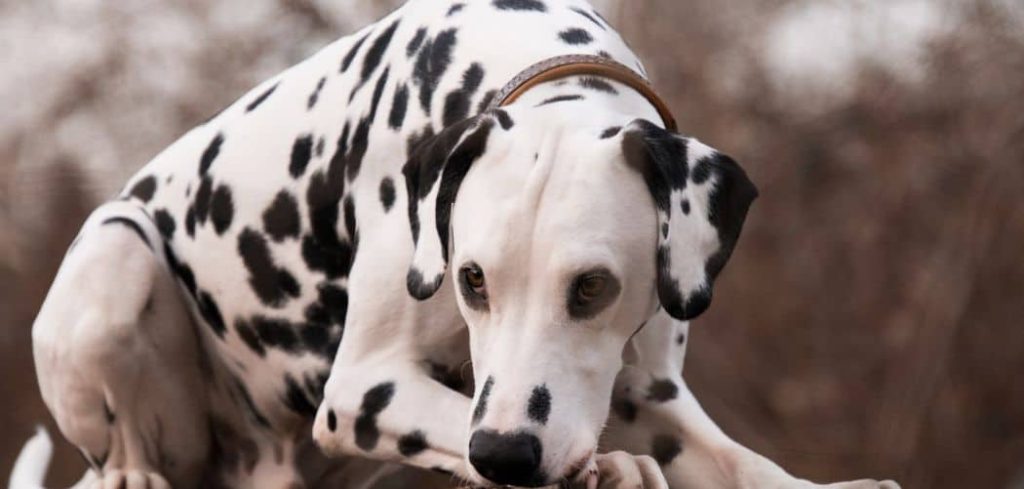
Depending on the underlying cause, a dog may also experience:
Vomiting
Excessive panting
Drooling
Weakness or lethargy
Diarrhea
Bright red or pale gums
Signs of dehydration
Collapse
Dog Being Sick in Hot Weather: Common Causes
Heat Exhaustion
Heat exhaustion occurs when a dog’s body begins to struggle to regulate its temperature after exposure to warm weather, vigorous exercise, or poor ventilation.
Early signs include excessive panting, drooling, weakness, and vomiting. If the dog is cooled promptly and removed from the heat, recovery is usually good. However, without treatment, heat exhaustion can progress to heatstroke.
Read more: Dog Vomiting Undigested Food Hours Later (What it means)
Heatstroke
Heatstroke is a life-threatening emergency that develops when the body’s temperature rises to dangerous levels and can no longer be controlled. Vomiting is one of the common early signs.
Dogs with heatstroke may also develop diarrhea, collapse, confusion, seizures, rapid heart rate, or difficulty breathing.
Immediate emergency veterinary care is essential, as heatstroke can quickly cause organ failure.
Read more: Dog Suddenly Vomiting White Foam (Causes and what to do)
Dehydration
Dogs lose fluids through panting, especially during hot weather. If they cannot replace these fluids by drinking enough water, dehydration can develop.
Dehydrated dogs may vomit, have dry or sticky gums, sunken eyes, weakness, and reduced skin elasticity. Severe dehydration often requires intravenous fluids.
Overexertion in the Heat
Running, hiking, or playing vigorously during hot weather places extra strain on a dog’s body and digestive system. Overexertion can lead to overheating and nausea.
Dogs may begin vomiting shortly after exercise and continue panting heavily. Allowing your dog to exercise only during the cooler parts of the day helps reduce this risk.
Pancreatitis
Rich barbecue foods, fatty treats, or table scraps commonly given during outdoor gatherings can trigger pancreatitis, particularly during the summer months.
Dogs with pancreatitis often vomit repeatedly, refuse food, appear painful around the abdomen, and become lethargic. Most cases require veterinary treatment.
Dietary Indiscretion
Summer activities such as picnics, cookouts, and camping increase the chances of dogs eating spoiled food, garbage, bones, or unfamiliar treats.
This can irritate the stomach and lead to vomiting, diarrhea, and abdominal discomfort. In some cases, swallowed bones or foreign objects may cause an intestinal obstruction.
Motion Sickness During Summer Travel
Many dogs travel more frequently during warm weather. Car rides can trigger motion sickness, causing vomiting shortly after or during travel.
Affected dogs often drool, yawn, pace, or appear anxious before becoming sick. Your veterinarian can recommend medications if motion sickness is frequent.
Underlying Medical Conditions
Hot weather can worsen existing diseases such as kidney disease, heart disease, liver disease, or hormonal disorders. Dogs with these conditions may struggle to cope with heat and develop vomiting more easily.
Older dogs and those with chronic illnesses should be kept cool and monitored closely during periods of high temperatures.
Dog Being Sick in Hot Weather: What to Do
If your dog vomits after being outside in hot weather, immediately move them to a cool, shaded, or air-conditioned area. Offer small amounts of cool—not ice-cold—water to drink, but do not force them to drink.
Use cool, damp towels on the paws, belly, groin, and neck, or gently wet your dog with cool water while avoiding ice baths, which can interfere with normal cooling.
Monitor your dog’s breathing, energy level, gum color, and whether vomiting continues. Even if your dog appears to recover, contact your veterinarian if overheating is suspected, as internal organ damage may not be immediately obvious.
Avoid exercising your dog during the hottest part of the day, and always provide access to fresh water and shade when outdoors.
When to Call or Visit the Vet
Vomiting during hot weather should always be taken seriously, particularly if your dog has been exposed to high temperatures.
Schedule an appointment if you notice:
Vomiting after spending time in the heat
Mild lethargy
Reduced appetite
Mild diarrhea
Continued heavy panting after resting
Signs of mild dehydration
Repeated vomiting
Vomiting that recurs during hot weather
Seek emergency veterinary attention immediately if your dog develops:
Collapse or inability to stand
Difficulty breathing
Seizures
Bright red, pale, or blue gums
Bloody vomit or diarrhea
Severe weakness or confusion
Persistent vomiting with inability to keep water down
Suspected heatstroke
Dog Being Sick in Hot Weather: Treatment
Veterinary treatment for a dog that becomes sick in hot weather depends on the severity of the illness and whether heat-related illness or heatstroke is suspected.
The veterinarian will assess body temperature, hydration, breathing, circulation, and organ function and may perform blood tests to check for complications.
Treatment can include controlled cooling, intravenous fluids, electrolyte replacement, oxygen therapy, anti-nausea medication, and pain management.
Dogs with heatstroke may require hospitalization and continuous monitoring because overheating can damage the kidneys, liver, gastrointestinal tract, brain, and blood-clotting system.
Severe cases may require intensive care even after the dog’s temperature has returned to normal.
Recovery and Monitoring
Recovery depends on the underlying cause and how quickly treatment begins. Mild heat exhaustion often improves within several hours, while heatstroke may require days of intensive care and can result in permanent organ damage if not treated promptly.
Monitor your dog’s appetite, water intake, energy level, breathing, and body temperature during recovery. Keep your dog indoors or in a cool environment until your veterinarian confirms it is safe to resume normal activities.
Contact your veterinarian immediately if vomiting returns, your dog becomes weak, develops diarrhea, refuses food, or shows any signs of overheating again.
Key Takeaway
A dog being sick in hot weather commonly results from heat exhaustion, heatstroke, dehydration, overexertion, pancreatitis, dietary indiscretion, motion sickness, or an underlying medical condition made worse by high temperatures.
While some dogs recover quickly after cooling down, vomiting during hot weather can also be an early warning sign of a life-threatening emergency.
Early veterinary care can prevent serious complications and improve your dog’s chances of a full recovery. If your dog develops collapse, difficulty breathing, seizures, persistent vomiting, bloody diarrhea, confusion, or any signs of heatstroke, seek emergency veterinary care immediately.
Early treatment is critical for protecting your dog’s health and preventing irreversible organ damage.


