
If your dog is being sick but acting normal afterward, it can be difficult to know whether it’s a minor stomach upset or the beginning of a more serious problem.
Some dogs vomit once after eating too quickly or consuming something that disagrees with them and quickly return to their usual behavior.
However, even if your dog seems happy and energetic, repeated vomiting or additional symptoms should never be ignored.
Table of Contents
Dog Being Sick but Acting Normal: What It Means
A dog being sick but acting normal may have dietary indiscretion, bilious vomiting syndrome, eating too quickly, mild gastroenteritis, food intolerance, motion sickness, or another underlying condition.
Mild digestive upset often resolves on its own, but ongoing or repeated vomiting can indicate an underlying medical condition that has not yet caused obvious signs of illness.
While many dogs remain bright and active after a single episode of vomiting, persistent vomiting, blood in the vomit, or changes in appetite warrant veterinary attention.
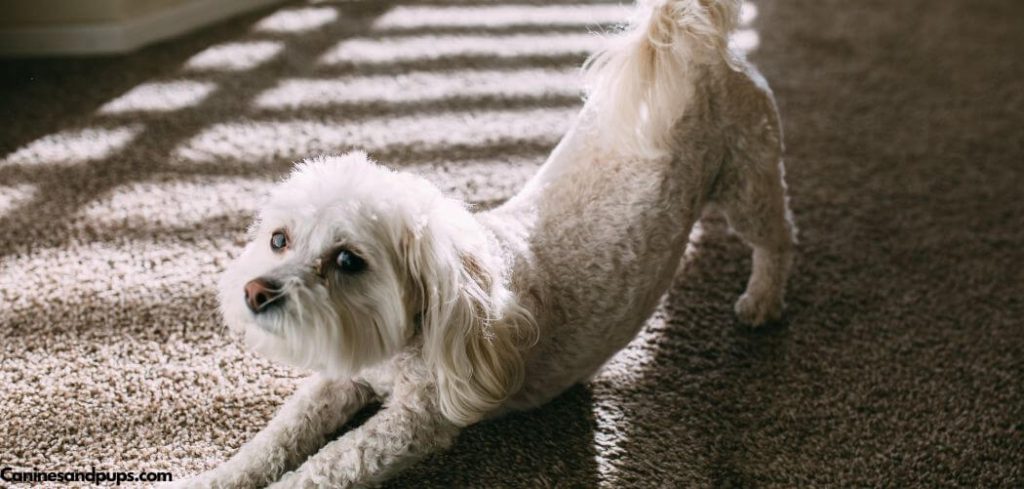
Depending on the underlying cause, a dog may also experience:
Vomiting once or occasionally.
Normal appetite between episodes.
Normal energy levels.
Vomiting food, bile, or foam.
Lip licking or swallowing.
Mild nausea.
Occasional loose stool.
Mild abdominal discomfort.
Dog Being Sick but Acting Normal: Common Causes
Dietary Indiscretion
Dogs commonly vomit after eating spoiled food, garbage, table scraps, grass, or unfamiliar treats.
If the stomach irritation is mild, they may quickly return to their normal behavior once they have vomited.
Continue monitoring your dog closely, as symptoms can worsen if the digestive irritation progresses or if a toxin or foreign object was ingested.
Bilious Vomiting Syndrome
Bilious vomiting syndrome commonly causes dogs to vomit yellow bile early in the morning after the stomach has remained empty overnight.
Most dogs appear completely normal immediately afterward and eat breakfast without any problems.
Feeding a small meal before bedtime may help reduce episodes, although recurring vomiting should still be discussed with your veterinarian.
Read more: Dog suddenly vomiting and diarrhea (Causes and treatment)
Eating Too Quickly
Dogs that eat very rapidly may regurgitate or vomit shortly after finishing a meal because the stomach becomes overly full or air is swallowed during eating.
These dogs usually remain bright, active, and eager to eat again. Slow-feeder bowls or feeding smaller meals more frequently can often help.
Mild Gastroenteritis
A mild stomach infection or temporary inflammation of the digestive tract may cause one or two episodes of vomiting while the dog otherwise feels well.
Some dogs develop mild diarrhea or reduced appetite for a short period, but symptoms usually resolve within a day or two if the illness is uncomplicated.
Food Intolerance
Certain foods or ingredients may not agree with your dog’s digestive system, causing occasional vomiting while the dog otherwise behaves normally.
If vomiting repeatedly occurs after eating the same food, your veterinarian may recommend a dietary trial or gradual transition to a different diet.
Motion Sickness
Some dogs vomit during or shortly after car rides due to motion sickness. Once the journey ends, they often return to their usual behavior within a short time.
Excessive drooling, yawning, pacing, or restlessness before vomiting are common clues that motion sickness is responsible.
Hair, Grass, or Minor Stomach Irritation
Dogs occasionally vomit after swallowing excessive grass, hair, or other mildly irritating material. Once the material is expelled, many dogs appear perfectly healthy.
If vomiting becomes frequent or your dog cannot keep food down, a veterinary examination is recommended to rule out more serious conditions.
Early Stages of Illness
Some illnesses begin with vomiting before other symptoms become obvious. Dogs may initially appear completely normal but develop lethargy, diarrhea, abdominal pain, or reduced appetite over the next several hours.
For this reason, continued observation after any episode of vomiting is important, even if your dog seems well.
Read more: Dog vomiting undigested food hours later (Why it happens)
Dog Being Sick but Acting Normal: What to Do
If your dog vomits once but is otherwise acting normally, monitor them closely over the next 24 hours. Make sure fresh water is always available and watch for any changes in appetite, energy level, or bowel movements.
Keep track of what your dog vomited, including whether it contained food, bile, foam, grass, blood, or foreign material. Also note whether vomiting occurs before meals, after eating, or during travel.
Avoid feeding table scraps or rich treats while your dog’s stomach settles. If vomiting does not recur and your dog continues eating, drinking, and behaving normally, the problem may have been a temporary stomach upset.
Do not give human anti-nausea medications unless specifically prescribed by your veterinarian.
When to Call or Visit the Vet
A single episode of vomiting in an otherwise healthy dog may not always require emergency care, but repeated vomiting should always be evaluated.
Schedule an appointment if you notice:
Vomiting more than once
Vomiting that continues for more than 24 hours
Recurring vomiting over several days
Mild diarrhea
Reduced appetite
Weight loss
Vomiting after every meal
Frequent morning vomiting
Seek emergency veterinary attention immediately if your dog develops:
Repeated vomiting with inability to keep water down
Blood in the vomit
Severe abdominal pain
Collapse or extreme weakness
Signs of dehydration
Suspected poisoning
Suspected intestinal obstruction
Pale gums or difficulty breathing
Dog Being Sick but Acting Normal: Treatment
A dog that vomits occasionally but otherwise acts normal may recover with supportive care if the episode is mild and isolated.
Your veterinarian may recommend temporarily withholding food for a short period in adult dogs, followed by small, frequent meals of a bland, easily digestible diet and ensuring your dog stays well hydrated.
However, repeated vomiting, vomiting that lasts more than a day, blood in the vomit, diarrhea, abdominal pain, or refusal to eat or drink requires veterinary attention.
Treatment depends on the cause and may include anti-nausea medication, fluids, dietary management, or additional testing to rule out more serious conditions.
Recovery and Monitoring
Most dogs recover quickly from mild stomach upset caused by dietary indiscretion or eating too quickly. However, recovery takes longer if vomiting is caused by pancreatitis, inflammatory bowel disease, or another chronic condition.
Continue monitoring your dog’s appetite, energy level, water intake, bowel movements, and whether vomiting returns. Give any prescribed medications exactly as directed and follow your veterinarian’s recommendations regarding diet.
Contact your veterinarian if vomiting becomes more frequent, blood appears in the vomit, your dog develops diarrhea, refuses food, becomes lethargic, or shows signs of dehydration.
Key Takeaway
A dog being sick but acting normal commonly results from dietary indiscretion, bilious vomiting syndrome, eating too quickly, mild gastroenteritis, food intolerance, motion sickness, or minor stomach irritation.
Although many dogs recover after a single episode of vomiting, repeated or persistent vomiting should never be ignored, even if your dog otherwise appears healthy.
Immediate veterinary evaluation can identify more serious underlying conditions before additional symptoms develop.
If your dog begins vomiting repeatedly, cannot keep water down, develops blood in the vomit, severe abdominal pain, collapse, or signs of dehydration, seek emergency veterinary care immediately.


