
Seeing your dog being sick and bringing up brown liquid can be alarming, particularly when the color or appearance is different from your dog’s usual vomit.
Brown vomit can have several possible explanations, and its appearance alone cannot determine whether the situation is mild or serious.
The texture, smell, frequency of vomiting, and your dog’s other symptoms can provide important clues about what may be happening.
We explain what a dog vomiting brown liquid may indicate, what to look for after an episode, and when veterinary assessment is needed.
Table of Contents
Dog Being Sick Brown Liquid: Why It Happens
A dog being sick brown liquid may have gastritis, dietary indiscretion, an intestinal obstruction, stomach ulceration, pancreatitis, liver disease, or another underlying health problem.
Some dogs vomit once and recover quickly, while others develop repeated vomiting, diarrhea, abdominal pain, lethargy, or loss of appetite.
While brown vomit is not always an emergency, repeated episodes or vomiting accompanied by other concerning signs should never be ignored.
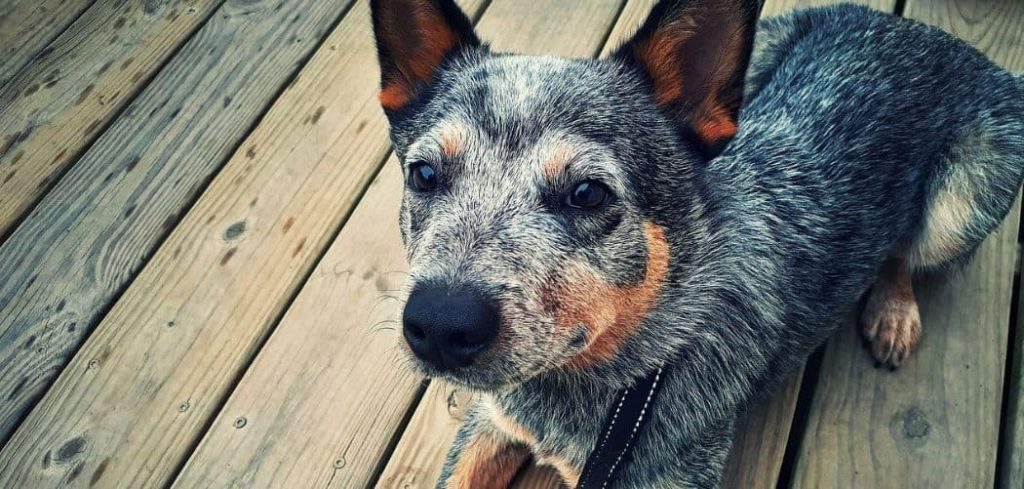
Depending on the underlying cause, a dog may also experience:
- Loss of appetite
Diarrhea
Lethargy
Abdominal pain
Weakness
Signs of dehydration
Weight loss
Dog Being Sick Brown Liquid: Common Causes
Partially Digested Food
Brown vomit is often simply partially digested food mixed with stomach fluids. This may occur if your dog vomits several hours after eating or if food remains in the stomach longer than normal.
Many dogs recover after a single episode, but repeated vomiting should be investigated.
Read more: Dog vomiting undigested food hours later (Why it happens)
Gastritis
Inflammation of the stomach lining can cause repeated vomiting that may contain partially digested food or brown-colored stomach contents.
Gastritis may develop because of dietary indiscretion, infections, medications, toxins, or sudden diet changes. Dogs often lose their appetite and may also develop diarrhea.
Stomach Ulcers
Ulcers can develop within the stomach lining due to medications, chronic illness, severe inflammation, or certain tumors.
Bleeding from an ulcer may produce vomit that appears dark brown or resembles coffee grounds because the blood has been partially digested.
Dogs with stomach ulcers may also have black, tarry stools, weakness, pale gums, abdominal pain, or reduced appetite.
Intestinal Obstruction
A blockage caused by a swallowed toy, sock, bone, or other foreign object can cause repeated vomiting that eventually becomes brown if intestinal contents begin moving backward into the stomach.
Additional signs include abdominal pain, bloating, lethargy, loss of appetite, and little or no stool production. An intestinal obstruction is a medical emergency.
Read more: Dog suddenly vomiting white foam (What it means)
Pancreatitis
Pancreatitis causes inflammation of the pancreas and commonly results in repeated vomiting.
Brown liquid may be present if stomach contents have been partially digested before vomiting occurs.
Affected dogs frequently become lethargic, refuse food, and develop abdominal pain. Moderate to severe cases usually require hospitalization.
Liver Disease
Liver disease can interfere with normal digestion and cause persistent nausea and vomiting.
Dogs may also develop diarrhea, weight loss, increased thirst, reduced appetite, lethargy, or jaundice. Veterinary testing is needed to identify the underlying liver condition.
Kidney Disease
As kidney disease progresses, waste products build up in the bloodstream and trigger nausea. Dogs may vomit stomach contents that appear brown if food has been partially digested.
Other signs commonly include increased thirst, increased urination, bad breath, weight loss, and poor appetite.
Dietary Indiscretion
Eating spoiled food, garbage, soil, or other unusual materials can irritate the digestive tract and lead to vomiting that contains brown liquid or partially digested material.
If vomiting continues or your dog appears unwell, veterinary evaluation is recommended.
Read more: Dog Being Sick with No Other Symptoms (What it means)
Dog Being Sick Brown Liquid: What to Do
If your dog vomits brown liquid once but otherwise seems bright, monitor them closely over the next 24 hours. Keep fresh water available and watch for repeated vomiting or any changes in appetite, energy level, or bowel movements.
Pay attention to whether the vomit contains food, has a coffee-ground appearance, or has a foul odor.
Also note whether your dog may have swallowed a foreign object or eaten something unusual, as this information can help your veterinarian.
If your dog continues vomiting brown liquid or cannot keep food or water down, arrange a veterinary examination as soon as possible.
Do not give human anti-nausea medications or pain relievers unless specifically instructed by your veterinarian.
When to Call or Visit the Vet
Brown vomit should always be taken seriously if it is repeated or accompanied by other symptoms.
Schedule an appointment if you notice:
Vomiting brown liquid more than once
Reduced appetite
Mild diarrhea
Weight loss
Mild lethargy
Vomiting after meals
Recurring digestive problems
Increased thirst or urination
Seek emergency veterinary attention immediately if your dog develops:
Vomit that looks like coffee grounds
Blood in the vomit
Repeated vomiting with inability to keep water down
Severe abdominal pain
Collapse or extreme weakness
Signs of dehydration
Suspected intestinal obstruction
Pale gums or black, tarry stools
Dog Being Sick Brown Liquid: Treatment
Veterinary treatment for a dog vomiting brown liquid begins with an examination and assessment of hydration, abdominal discomfort, and overall condition. The veterinarian may recommend blood tests and abdominal imaging to determine the underlying problem.
Treatment may include anti-nausea medication, intravenous or subcutaneous fluids, stomach-protectant medication, pain relief, and a prescription gastrointestinal diet.
If diagnostic testing identifies a condition requiring surgical or intensive treatment, the veterinarian will provide the appropriate intervention.
Recovery and Monitoring
Recovery depends on the underlying cause. Mild gastritis may resolve within a few days, while stomach ulcers, pancreatitis, kidney disease, liver disease, or intestinal obstruction require more intensive treatment and ongoing monitoring.
Monitor your dog’s appetite, water intake, body weight, bowel movements, and whether vomiting improves after treatment begins. Administer all medications exactly as prescribed and attend follow-up appointments recommended by your veterinarian.
Contact your veterinarian if vomiting becomes more frequent, your dog develops blood in the vomit or black stools, refuses food, becomes increasingly lethargic, or shows signs of dehydration.
Key Takeaway
A dog being sick with brown liquid commonly results from partially digested food, gastritis, stomach ulcers, intestinal obstruction, pancreatitis, liver disease, kidney disease, or dietary indiscretion.
While brown vomit may simply contain digested food, it can also indicate digested blood or a serious intestinal problem that requires urgent veterinary care.
Early veterinary evaluation can identify the underlying cause and prevent complications.
If your dog repeatedly vomits brown liquid, produces vomit that resembles coffee grounds, develops severe abdominal pain, collapses, cannot keep water down, or shows signs of dehydration, seek emergency veterinary care immediately.


