
If your dog seems nervous, unsettled, or unusually withdrawn—and isn’t eating—it could be a sign of anxiety. While occasional stress is normal in dogs, chronic or intense anxiety can have a real impact on their physical health, including appetite loss.
When left unchecked, this cycle can lead to nutritional deficiencies, weight loss, and more serious behavioral issues.
We outline why anxiety can cause your dog to stop eating, explore common triggers, offer tips to help at home, and show you when it’s time to involve your veterinarian.
Table of Contents
Dog Anxiety and Not Eating: Why It Happens
A dog experiencing anxiety and not eating may be overwhelmed by emotional stress, fear, changes in routine, separation, noise sensitivity, or traumatic memories. Anxiety triggers a fight-or-flight response that suppresses appetite, alters digestion, and changes normal behavior.
This mind-body link can lead to sudden refusal to eat even their favorite food.
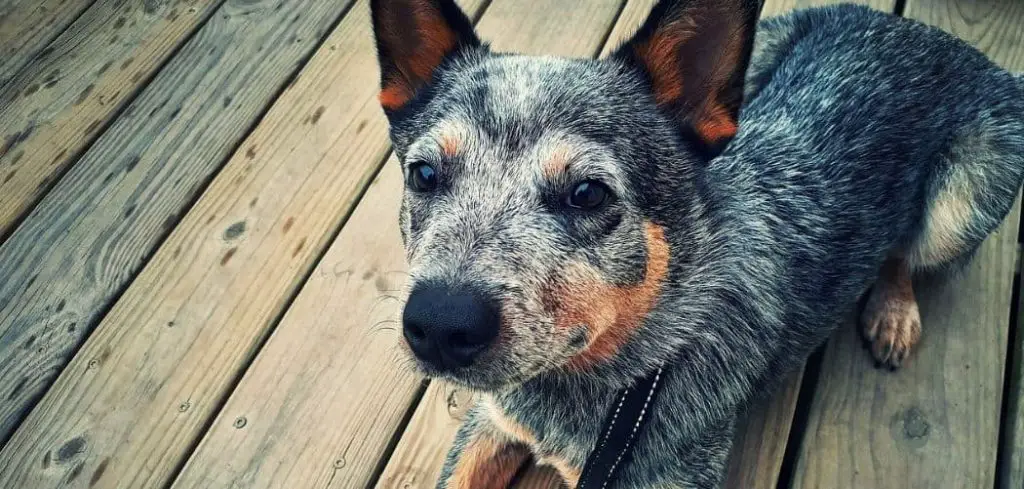
Dog Anxiety and Not Eating: Common Causes
1. Separation Anxiety
One of the most common types of canine anxiety, separation anxiety affects dogs who become distressed when left alone.
These dogs may whine, bark, destroy furniture, pace, or refuse food when their owner is gone.
Some won’t eat until their person returns—even if food is left out. Over time, the stress can lead to skipped meals and digestive issues.
2. Environmental or Routine Changes
Dogs are creatures of habit, and changes—like moving homes, a new baby or pet, a change in their feeding location, or even daylight saving time—can throw them off.
Some dogs may withdraw, sleep more, or stop eating altogether in response to environmental stressors.
Even small disruptions can be a big deal to sensitive dogs.
Related: Dog vomiting and not eating (Causes and when to worry)
3. Loud Noises or Fear Triggers
Storms, fireworks, vacuum cleaners, or loud household noises can cause extreme fear in dogs.
Many will hide, tremble, pant, or refuse to eat during and after the event.
This behavior is often more intense in certain breeds like Border Collies or German Shepherds, who are more reactive to their surroundings.
4. Travel Anxiety
Car rides, vet visits, and unfamiliar environments can bring on travel-related anxiety.
Dogs may pant, drool, or tremble—and may refuse food during and after travel.
Even dogs that enjoy adventures can become stressed in new or overstimulating places.
5. Trauma or Past Abuse
Rescue dogs or those with a history of mistreatment may associate food, bowls, or certain environments with negative experiences.
This can lead to anxiety-driven appetite suppression. Sudden noises or gestures can trigger nervous behavior or food avoidance, even if the dog is safe now.
6. Social Anxiety or Conflict with Other Pets
Some dogs feel intimidated by other animals in the home, especially around food.
They may avoid eating when another dog is near, even if there’s no obvious aggression.
Others may show “submissive” behavior and simply walk away from their meals to avoid conflict.
Dog Anxiety and Not Eating and Vomiting
Anxiety can cause a dog to lose its appetite and occasionally vomit, especially during stressful events such as travel, fireworks, boarding, moving, or separation from its owner.
Stress activates hormones that can upset the stomach, leading to nausea, drooling, decreased appetite, and vomiting.
However, anxiety should only be considered the cause after other medical problems have been ruled out, as vomiting and refusal to eat can also indicate infections, pancreatitis, intestinal blockage, poisoning, or other serious illnesses.
If vomiting is repeated, contains blood, or is accompanied by diarrhea, lethargy, or abdominal pain, your dog should be examined by a veterinarian immediately.
Dog Anxiety and Not Eating or Drinking Water
A dog experiencing severe anxiety may temporarily refuse both food and water, particularly during frightening or unfamiliar situations.
While a short period of reduced appetite may occur with stress, refusing to drink water can quickly lead to dehydration and is more concerning than refusing food alone.
Encourage your dog to rest in a quiet, familiar environment and offer fresh water frequently without forcing them to drink.
If your dog refuses water for several hours, continues to act anxious after the stressful event has passed, or develops vomiting, weakness, or other signs of illness, seek veterinary care to rule out an underlying medical condition.
Old Dog Anxiety and Not Eating
An older dog that appears anxious and stops eating may be experiencing more than simple stress.
Senior dogs commonly develop conditions such as canine cognitive dysfunction (dog dementia), chronic pain, vision or hearing loss, or underlying illnesses that can cause both anxiety and loss of appetite.
Environmental changes, separation from family members, or loud noises may also trigger anxiety in older dogs.
Because appetite loss in a senior dog can indicate a significant health problem, it is important to have your dog examined by a veterinarian if the behavior persists for more than a day or is accompanied by confusion, weight loss, vomiting, lethargy, or other concerning symptoms.
Treatment depends on the underlying cause and may include managing pain, treating medical conditions, reducing stress, or using anti-anxiety medications when appropriate.
What to Do If Your Dog Has Anxiety and Isn’t Eating
If you suspect your dog’s appetite loss is related to anxiety, here are some steps you can take at home to reduce stress and encourage eating:
Create a calm eating environment: Feed your dog in a quiet, low-traffic area with no interruptions.
Stick to a consistent routine: Serve meals at the same times daily to build trust and predictability.
Use calming aids: Try calming pheromone sprays, thunder shirts, or lavender-scented items to ease anxiety.
Hand-feed small bites: For very nervous dogs, hand-feeding can provide comfort and encouragement.
Warm up the food slightly: This can enhance the smell and make it more tempting.
Avoid scolding or pressuring: Never punish your dog for not eating—it will only heighten their anxiety.
Mild anxiety may resolve on its own with time and reassurance, but persistent symptoms need further support.
When to Call or Visit Your Vet
Contact your veterinarian if:
Your dog hasn’t eaten for more than 24 hours.
Anxiety symptoms are interfering with sleep, exercise, or digestion.
There’s significant weight loss, vomiting, or lethargy.
Your dog shows signs of depression or aggression.
You’re unsure if it’s anxiety or a medical issue.
Your vet may recommend a full health check to rule out underlying causes.
They might also suggest behavioral therapy, anti-anxiety medications, supplements, or working with a certified dog behaviorist for long-term support.
Read more: Dog Tired and Not Eating (What it means)
Key Takeaway
Dog anxiety and not eating often go hand in hand, especially when emotional stress disrupts your dog’s daily life.
Whether it’s separation anxiety, noise phobia, or a reaction to change, it’s important to approach the situation with patience and compassion.
While some dogs may bounce back quickly, others may need help breaking the cycle of fear and food refusal.
Watch closely, offer a safe and consistent routine, and don’t hesitate to get professional support when needed.
Addressing anxiety early can not only restore your dog’s appetite but also improve their overall quality of life.


