
A senior dog that suddenly stops eating and starts sleeping much more than usual can be deeply worrying, especially when the change feels abrupt.
These signs often mean your dog’s body is struggling with age-related illness, pain, or internal imbalance.
In this guide, we explain the reasons why a senior dog may suddenly not eat and not sleep a lot, what you can do and when to seek veterinary care.
Senior Dog Suddenly Not Eating And Sleeping A Lot
A senior dog suddenly not eating and sleeping a lot is usually dealing with pain, organ disease, infection, or age-related decline that drains energy and suppresses appetite.
Conditions such as arthritis, kidney or liver problems, heart disease, and hormonal imbalances become more common as dogs age.
Nausea, weakness, and discomfort make food less appealing and rest more necessary. Because senior dogs have less ability to bounce back, these changes deserve close attention.
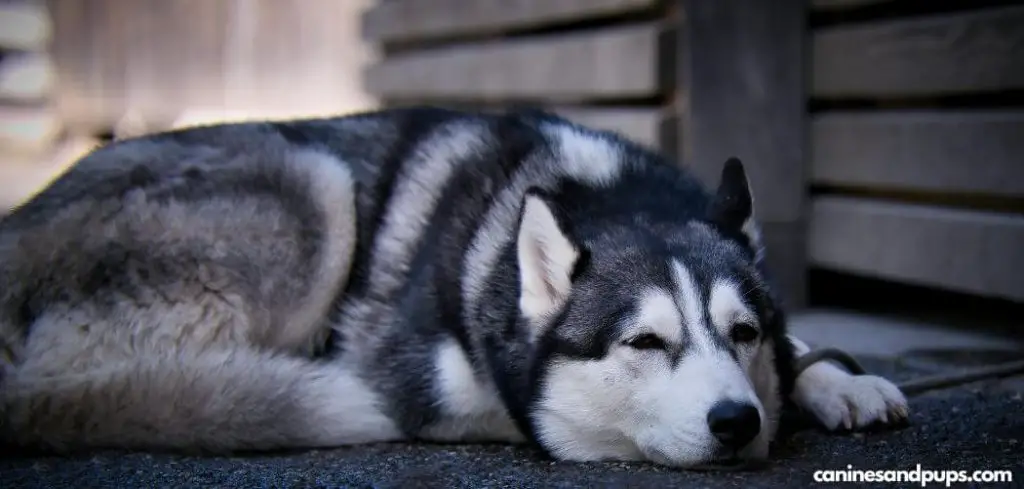
Senior Dog Suddenly Not Eating And Sleeping A Lot: Common Causes
Kidney Disease
Kidney disease is very common in senior dogs and often causes a gradual or sudden loss of appetite and increased fatigue. When the kidneys fail to filter waste from the blood, toxins build up.
You may notice increased drinking and urination, bad breath, weight loss, or vomiting. Your dog may sleep more and seem less interested in their surroundings.
Toxin buildup makes dogs feel nauseated and weak, which leads to eating less and resting more.
Kidney disease is a serious reason a senior dog suddenly not eating and sleeping a lot should be evaluated by a veterinarian.
Related: Old Dog Not Eating (Why it happens)
Liver Disease
The liver plays a key role in digestion, detoxification, and energy production. When it is not working properly, the whole body is affected.
Signs include vomiting, diarrhea, yellowing of the eyes or gums, and loss of appetite. Your dog may appear sluggish and withdrawn.
Without a healthy liver, nutrients are not processed correctly, leading to weakness and fatigue.
Liver disease is another important cause of a senior dog suddenly not eating and sleeping a lot.
Arthritis or Chronic Pain
Joint disease and chronic pain are very common in older dogs. Even mild pain can make moving and standing uncomfortable.
You may notice stiffness, difficulty getting up, limping, or reluctance to go for walks. Dogs in pain often lie down more to avoid movement.
Pain also reduces appetite because the body is under stress and discomfort makes eating less appealing.
This is a frequent reason a senior dog suddenly not eating and sleeping a lot may seem to slow down.
Heart Disease
Heart problems reduce the amount of oxygen and nutrients delivered to the body. This makes dogs tire easily and feel weak.
Signs include coughing, labored breathing, exercise intolerance, and fainting spells. Appetite often decreases as the body struggles to keep up.
Poor circulation makes muscles fatigue quickly and digestion slow down, which leads to more sleeping and less eating.
Heart disease is a serious cause of a senior dog suddenly not eating and sleeping a lot.
Cancer
Cancer is more common in older dogs and can cause subtle or sudden changes in appetite and energy.
You may notice weight loss, lumps, vomiting, or unexplained pain. Dogs with cancer often become tired and withdrawn.
Tumors consume energy and release substances that make dogs feel ill and nauseated.
Cancer is a heartbreaking but important reason a senior dog suddenly not eating and sleeping a lot should be checked.
Infection
Senior dogs are more vulnerable to infections because their immune systems are weaker. Even mild infections can make them very tired.
Signs may include fever, coughing, discharge, vomiting, or diarrhea. Your dog may seem to sleep most of the day.
The immune response uses a lot of energy and suppresses appetite while the body fights infection.
This is another common cause of a senior dog suddenly not eating and sleeping a lot.
Related: Old Dog Constant Diarrhea (What It Means)
Senior Dog Suddenly Not Eating And Sleeping A Lot: What to Do
When your senior dog is suddenly not eating and sleeping a lot, make sure they have a warm, quiet place to rest. Comfort and reduced stress help the body cope.
Offer fresh water frequently and encourage gentle drinking, as dehydration can make weakness worse.
Try offering small portions of soft, aromatic foods to stimulate appetite, but do not force your dog to eat.
Watch for changes in bathroom habits, breathing, or pain so you can give accurate information to your veterinarian.
When to Call or Visit Your Vet
If your senior dog has not eaten for more than 24 hours, you should contact your veterinarian.
Seek veterinary care if lethargy is severe or accompanied by vomiting, diarrhea, coughing, or difficulty breathing.
A senior dog suddenly not eating and sleeping a lot along with weight loss, pale gums, or collapse should be seen right away.
If symptoms worsen or do not improve, professional care is essential.
Related: Old Dog Seizures (Causes and what to do)
Key Takeaway
A senior dog suddenly not eating and sleeping a lot is a strong sign that age-related illness, pain, or internal disease may be affecting their quality of life. These changes should never be dismissed as “just getting old.”
By paying attention, offering comfort, and involving your veterinarian early, you give your senior dog the best chance for relief and continued well-being.