
When an old dog won’t stop pacing, it can be exhausting to watch and deeply worrying. Your senior dog may walk back and forth through the house, circle rooms endlessly, pace at night instead of sleeping, or seem unable to settle even when they’re clearly tired.
Understanding why your old dog won’t stop pacing is the first step toward restoring calm and improving quality of life.
What Does Pacing Look Like in Old Dogs?
Pacing in older dogs often looks different from normal movement or excitement. You may notice your dog walking the same path repeatedly, moving from room to room without purpose, circling before lying down and then immediately getting back up, or pacing mostly at night while the rest of the house is quiet.
Some dogs pace slowly and continuously, while others move more urgently, accompanied by panting, whining, or restlessness.
In many cases, pacing seems compulsive rather than intentional, as if the dog cannot physically or mentally settle.
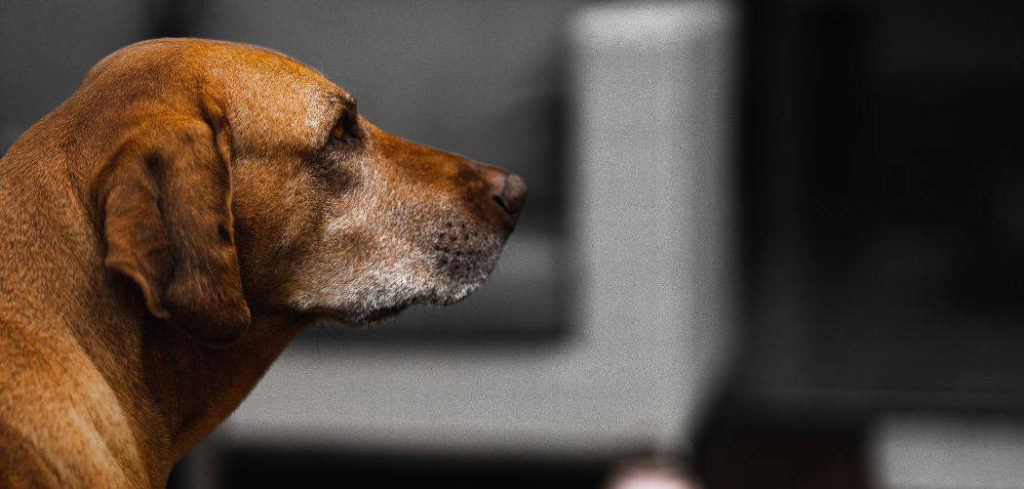
Old Dog Who Won’t Stop Pacing: Common Causes
Chronic Pain
Pain is one of the most common reasons senior dogs pace. Arthritis, spinal disease, joint degeneration, dental pain, and internal discomfort can make lying down uncomfortable or even painful.
When an old dog tries to rest, pressure builds on sore joints or inflamed tissues. After a short time, the discomfort becomes unbearable, forcing the dog to get up and move again.
This creates a cycle where the dog paces not because walking feels good, but because every position feels bad.
Pain-related pacing is often worse at night or after long periods of rest, when stiffness peaks. These dogs may pace, lie down briefly, get up again, and repeat this pattern for hours.
Read more: Old Dog Circling and Panting (What it could mean)
Canine Cognitive Dysfunction (Dog Dementia)
Cognitive decline is one of the most common causes of pacing in older dogs, especially nighttime pacing. As the brain ages, dogs can lose their sense of orientation, memory, and normal sleep–wake cycles.
This condition, often compared to dementia in humans, causes confusion and anxiety that dogs struggle to process.
Dogs with cognitive dysfunction may pace because they feel lost or unsure of where they are or what they’re supposed to be doing.
They may walk aimlessly, stare into corners, or pace along walls and hallways. Nighttime pacing is especially common because darkness worsens disorientation and familiar visual cues disappear.
Anxiety
Anxiety increases with age in many dogs, even those who were calm and confident earlier in life. Sensory loss, changes in routine, separation from familiar people, or general insecurity can all trigger restlessness.
Anxious senior dogs pace as a coping mechanism. Movement provides temporary relief from nervous energy, fear, or unease.
These dogs often pace when left alone, when the house is quiet, or when they sense something has changed. Pacing may stop briefly when reassured, only to resume once the anxiety returns.
Vision and Hearing Loss
As dogs lose vision or hearing, their environment becomes harder to interpret. Shadows, reflections, and unfamiliar sounds can cause disorientation or fear.
Pacing may occur as the dog tries to orient themselves or find a place that feels safe.
Dogs with sensory decline often pace more in low-light conditions or unfamiliar spaces.
They may seem unsure of where to lie down or may repeatedly move between rooms searching for comfort or familiarity.
Neurological Conditions
Diseases affecting the brain or nervous system can disrupt normal movement patterns and emotional regulation.
Neurological conditions such as strokes, vestibular disease, brain tumors, or nerve degeneration can cause pacing that appears compulsive or purposeless.
These dogs may pace while appearing mentally altered, disconnected, or unaware of their surroundings.
Pacing caused by neurological disease is often accompanied by other subtle signs, such as balance problems, head tilt, staring spells, or changes in responsiveness.
Internal Medical Illness
Systemic diseases like kidney disease, liver disease, or infections can cause nausea, weakness, and general malaise.
Older dogs often express this discomfort through restlessness rather than obvious pain behaviors.
A dog who feels nauseated, bloated, or unwell may pace because they can’t get comfortable.
This pacing is often worse at night or when the stomach is empty, and it may come with other signs such as reduced appetite, increased thirst, or changes in urination.
Unmet Physical Needs
Senior dogs may have difficulty signaling needs such as needing to urinate, feeling constipated, being thirsty, or feeling hungry at unusual times.
Arthritis or weakness may make it harder to go to the door, change position, or otherwise communicate.
In these cases, pacing is a request for help. The dog feels uncomfortable but doesn’t know how to resolve the issue independently, so they move restlessly instead.
Read more: Old Dog Pacing at Night (Why it happens)
Old Dog Won’t Stop Pacing: What to Do
If your old dog won’t stop pacing, start by observing when and how often it happens. Take note of patterns—whether it’s worse at night, after meals, or during certain situations—as this can help identify the underlying cause.
Create a calm and predictable environment. Keep your dog’s routine consistent, including feeding, walks, and bedtime, to reduce confusion and anxiety. Soft lighting at night can also help dogs with vision issues feel more secure.
Make your dog physically comfortable. Provide a supportive, orthopedic bed and ensure easy access to water, food, and resting areas to minimize discomfort and unnecessary movement.
Offer gentle mental stimulation. Simple activities, familiar toys, or calm interaction can help reduce anxiety and keep your dog engaged without overwhelming them.
If pain is suspected, avoid giving human medications and instead limit strenuous activity while you arrange a veterinary check. Comfort and safety should always come first.
When to Call or Visit Your Vet
If pacing starts suddenly or becomes constant, it’s important to seek veterinary advice immediately. Sudden behavioral changes often indicate an underlying medical issue that needs attention.
Call your vet immediately if pacing is accompanied by symptoms like panting, drooling, vomiting, a swollen abdomen, or signs of distress. These could point to emergencies such as bloat or severe pain.
You should also be concerned if your dog seems disoriented, forgets familiar people or places, or shows signs of cognitive decline. Early intervention can make a significant difference in managing these conditions.
If pacing interferes with sleep, eating, or daily comfort, it’s time for a thorough evaluation.
Old Dog Won’t Stop Pacing: Treatment
Veterinary treatment depends on the underlying cause of the pacing. Your vet may begin with a physical exam, blood tests, or imaging to identify issues such as arthritis, organ disease, or neurological conditions.
For cognitive dysfunction, medications and specialized diets may help improve brain function and reduce confusion. In cases of pain, anti-inflammatory medications or joint support therapies can significantly improve comfort.
If anxiety is the cause, your vet may recommend behavioral strategies, calming supplements, or prescription medications. Sensory decline may be managed through environmental adjustments and supportive care.
In more serious cases like gastrointestinal emergencies or organ disease, immediate medical intervention is critical. Treatment may include hospitalization, IV fluids, or targeted therapies to stabilize your dog’s condition.
The goal is always to address the root cause while improving your dog’s comfort and quality of life.
Key Takeaway
An old dog that won’t stop pacing is trying to tell you something isn’t right, whether it’s confusion, pain, anxiety, or a medical condition. While some causes are manageable, others can be serious and require prompt veterinary care.
Pay attention to changes in behavior, act early, and focus on keeping your dog comfortable and secure. With the right support and timely care, you can help your dog feel calmer, safer, and more at ease in their senior years.