
It can feel surprising—and even a little uncomfortable—to look at your aging dog and feel like they’ve changed so much that they seem “ugly.” What’s really happening, though, is a natural transformation that comes with age, health changes, and time.
Table of Contents
Ugly Old Dog: What It Means
When an old dog starts to look “ugly,” it’s usually due to natural aging changes like weight loss, skin issues, dental disease, or reduced grooming ability rather than anything abnormal or sudden.
As dogs grow older, their bodies change in ways that can affect their coat, posture, facial structure, and overall appearance. These changes may seem dramatic, especially if they happen gradually over time and you’re just starting to notice them.
An old dog appearing “ugly” is often a reflection of underlying physical changes, not a loss of beauty—just a shift in how their body shows age and health.
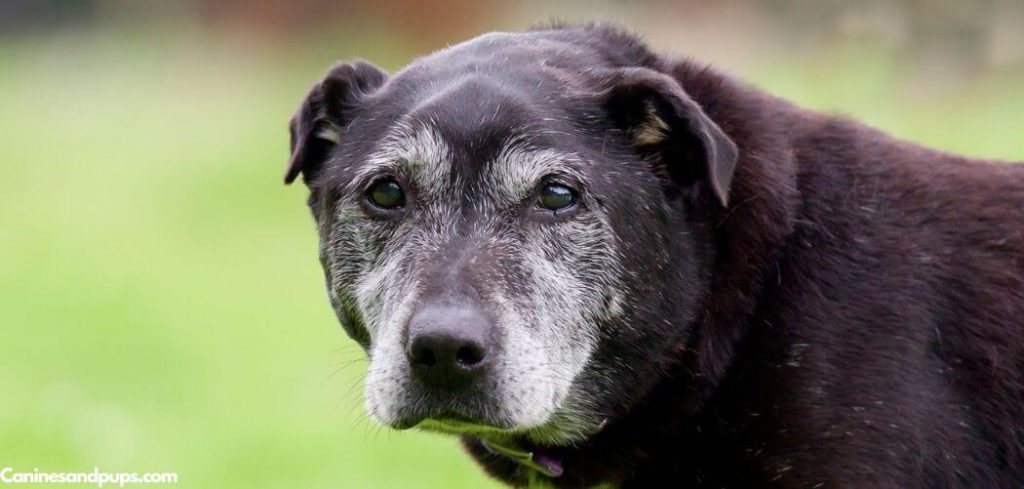
Old Dog Ugly: Signs
If your old dog looks noticeably different, you might see:
- Thinning or patchy coat
- Grey or white fur spreading across the face and body
- Weight loss or a bony appearance
- Skin lumps, bumps, or warts
- Drooping eyes or cloudy appearance
- Bad breath or missing teeth
- Changes in posture (hunched or stiff stance)
- Reduced grooming or messy coat
Reasons Your Old Dog’s Appearance Changes
Natural Aging Changes
As dogs age, their bodies go through gradual but noticeable changes that can affect how they look overall.
Muscle mass naturally decreases, which can make your dog appear thinner, bonier, or less “filled out” than before. At the same time, fat distribution may shift, sometimes creating a slightly saggy or uneven appearance.
The coat often becomes thinner, duller, or patchy due to slower hair growth and changes in skin health.
You may also notice more grey or white fur, especially around the face, which can dramatically change your dog’s expression. These changes are completely normal and happen to almost all dogs as they age
Gray Hair and Whitening Fur
One of the earliest and most visible signs of aging in dogs is graying fur, especially around the muzzle, eyes, and chest. This happens as pigment-producing cells (melanocytes) slow down with age, just as in humans.
Stress, genetics, and even anxiety can accelerate graying. Certain breeds, like Labrador Retrievers and Schnauzers, tend to gray earlier than others.
While this whitening might make your dog look older or “less cute,” it’s purely cosmetic and doesn’t affect health. Some owners even find it adds character — a badge of wisdom earned through years of companionship.
Read more: Old Dog Gray Hair (Changes in Senior Dogs)
Weight Loss and Muscle Atrophy
Senior dogs often experience muscle loss, especially along their spine and hindquarters. Their metabolism slows down, they move less, and their ability to process protein declines.
This can make them appear bony or frail, with visible ribs or a sagging posture. Arthritis or joint pain may further discourage exercise, worsening the effect.
Dental Problems and Tooth Loss
One of the biggest contributors to the “old dog ugly” appearance is dental decay. Years of plaque buildup, gum disease, and tooth wear can lead to yellowing, missing, or crooked teeth — and sometimes even visible drooling or tongue protrusion.
Dogs with poor dental health might develop bad breath, difficulty eating, and infections that can spread through the bloodstream. This not only changes how they look but also how they feel.
Cloudy Eyes or Cataracts
If your dog’s once-bright eyes look cloudy or bluish, they might be developing nuclear sclerosis (a normal aging change) or cataracts (a more serious condition that can impair vision).
Cloudy eyes can make dogs look older and, in some cases, sadder. However, not all cloudiness means blindness.
Skin Lumps, Warts, and Moles
Aging skin becomes thinner and less elastic, making lumps, warts, and benign growths more common. While most of these are harmless fatty tumors (lipomas), they can alter your dog’s appearance — especially if they appear on the face, legs, or chest.
Read more: Old Dog Warts (Should you worry?)
Posture Changes
As joints wear down and cartilage thins, senior dogs often develop arthritis. This can cause stiffness, limping, and a hunched or unsteady posture.
Pain and discomfort may prevent them from grooming themselves properly, leading to a messier coat. You might also notice changes in how they sit, walk, or lie down — all of which can subtly alter their appearance.
Arthritis doesn’t make your dog ugly; it just means they need a little extra help.
Coat Dullness and Hair Loss
A glossy coat is often a sign of good health. When your dog’s fur becomes dull, dry, or patchy, it can make them look unwell or “old.”
This can result from poor diet, thyroid disease, hormonal imbalance, or simple wear and tear from age. Older dogs produce less natural skin oil, which keeps their fur shiny and moisturized.
Older dogs also often groom themselves less effectively due to stiffness, joint pain, or reduced flexibility.
This can lead to a coat that looks messy, oily, or matted, especially in areas that are harder for your dog to reach. Dirt and debris may accumulate more easily, and shedding may not be as evenly distributed.
Over time, this lack of grooming can make your dog appear less clean or polished, even if the underlying issue is simply discomfort or reduced mobility.
Facial Changes and Expression Loss
Over time, muscles around the mouth and eyes weaken, making your dog’s face appear droopy or less expressive. Their lips may sag slightly, and wrinkles may deepen.
This can make them look tired or sad — leading some owners to misinterpret it as a sign of unhappiness. But most senior dogs are just as loving and emotionally present as ever. Their faces may change, but their hearts remain the same.
Chronic Health Conditions
Chronic illnesses like heart disease, kidney failure, or hypothyroidism can affect your dog’s physical appearance. Swelling, weight loss, dull coat, or discoloration around the eyes and nose may develop over time.
These visible changes are not cosmetic — they’re health indicators. Managing chronic conditions through medication and diet can improve not just how your dog looks, but also how they feel.
When to Call or Visit Your Vet
If your dog’s appearance changes suddenly or dramatically, it’s worth getting a professional opinion.
Rapid weight loss, significant hair loss, or new lumps should always be evaluated.
Skin growths that change size, bleed, or become irritated need veterinary attention to rule out more serious conditions.
If your dog also shows signs like lethargy, loss of appetite, or behavioral changes, this may indicate an underlying health issue.
Regular senior check-ups are especially important, as they help catch problems early—even those that only show up as subtle appearance changes at first.
Veterinary Care
Veterinary care involves assessment of a dog’s overall health, including skin, coat, weight, and dental condition.
If underlying issues are identified, treatment may include dietary adjustments, medications, or dental procedures.
Skin growths may be monitored or removed if necessary, depending on their type and behavior.
For dogs with chronic conditions, ongoing management plans can help improve both health and appearance over time.
The goal is not just to change how your dog looks, but to ensure they are comfortable, healthy, and thriving.
What to Do If Your Dog Is Experiencing Appearance Changes
If your old dog looks different, start by focusing on comfort and basic care. Regular grooming—whether brushing, bathing, or trimming—can make a big difference in how your dog looks and feels.
Provide a balanced, high-quality diet to support skin, coat, and overall health. Nutrition plays a major role in maintaining a healthy appearance, especially in senior dogs.
Keep your dog active within their limits. Gentle exercise helps maintain muscle tone and improves circulation, which benefits both health and appearance.
Pay attention to dental care. Even simple steps like dental chews or vet-recommended cleanings can improve both comfort and facial appearance.
Most importantly, look beyond appearance and focus on your dog’s quality of life. Changes in looks don’t always mean something is wrong—but they can be a sign to check in on their overall health.
Key Takeaway
An old dog looking “ugly” is usually just a reflection of natural aging and the changes that come with it.
What matters most is your dog’s comfort, health, and happiness—not how they look compared to their younger years.
By focusing on care, regular vet visits, and attention to subtle changes, you can help your dog age gracefully and stay comfortable.
And often, what looks like “ugly” at first becomes something much more meaningful—a sign of a life well-lived and deeply loved.


