
Seeing your old dog’s tongue sticking out even when their mouth is closed can feel strange or concerning, especially if it’s a new behavior.
In many cases, it’s harmless, but sometimes it signals dental, neurological, or age-related changes that deserve attention.
Table of Contents
Old Dog Tongue Sticking Out but Mouth Closed: Why It Happens
When an old dog’s tongue sticks out while the mouth is closed, it is usually due to dental changes, muscle relaxation, or nerve-related issues that affect how the tongue is held in place.
Missing teeth, especially in the front of the mouth, can leave nothing to support the tongue, causing it to slip outward.
In other cases, aging muscles or mild neurological decline can reduce control over the tongue, making it hang out even when your dog is relaxed or resting.
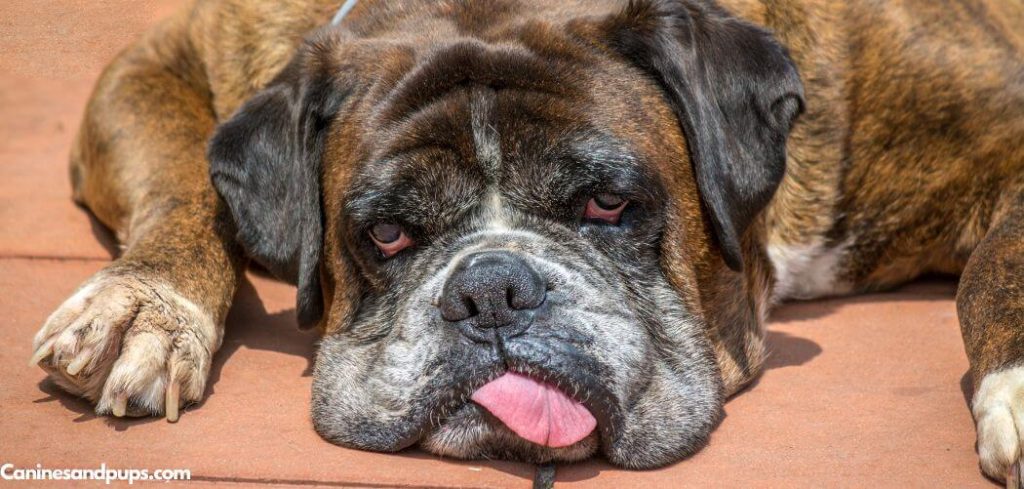
Old Dog Tongue Sticking Out but Mouth Closed: Symptoms
Along with the tongue sticking out, you may notice other subtle signs:
Dry or cracked tongue tip
Drooling or saliva buildup
Missing or loose teeth
Bad breath
Difficulty picking up food
Slight facial drooping
Changes in eating habits
Tongue staying out even during sleep
Old Dog Tongue Sticking Out but Mouth Closed: Common Causes
Tooth Loss
One of the most common reasons for this behavior is missing teeth, especially the front incisors or canines.
Teeth help “hold” the tongue in place, and when they’re gone, the tongue may naturally slip out, particularly when your dog is relaxed.
Advanced dental disease can also change the structure of the gums and jaw, making it harder for your dog to fully contain their tongue.
Aging Muscle Relaxation
As dogs age, their muscles—including those controlling the tongue and jaw—can lose tone.
This mild relaxation may cause the tongue to protrude slightly, especially when your dog is resting or sleeping.
This is often harmless and simply part of the natural aging process, similar to how posture changes over time.
Neurological Changes
In some cases, nerve function may decline with age, affecting how well your dog can control their tongue.
This could be due to mild cognitive changes or nerve-related issues that interfere with muscle coordination.
If the tongue suddenly starts hanging out or is accompanied by other neurological signs, it’s more concerning and should be evaluated.
Read more: Old Dog Neurological Problems (Signs to watch out for)
Jaw Alignment Changes
Changes in jaw alignment, whether from aging, previous injury, or chronic dental issues, can affect how the mouth closes.
Even subtle shifts can create gaps where the tongue slips out, especially if combined with tooth loss or gum recession.
Tongue Enlargement
In rare cases, the tongue itself may be slightly enlarged due to inflammation, underlying disease, or fluid retention.
An enlarged tongue may not fit comfortably inside the mouth, causing it to protrude even when the mouth is closed.
Old Dog Tongue Sticking Out but Mouth Closed: What to Do
If your old dog’s tongue is sticking out but they seem otherwise comfortable, start by gently checking their mouth for missing teeth, gum issues, or visible irritation.
Keep the tongue moist if it’s exposed frequently. You can offer fresh water regularly and monitor for dryness or cracking, especially in warm environments.
Switch to softer food if your dog seems to have trouble eating or picking up kibble. This can reduce frustration and prevent accidental injury to the tongue.
Maintain good dental hygiene moving forward. Even if some teeth are already missing, keeping the remaining teeth clean helps prevent further changes.
Observe your dog’s overall behavior. If they are eating, drinking, and acting normally, the issue is often mild—but any changes should be noted and tracked.
When to Call or Visit Your Vet
If the tongue sticking out is sudden or worsening, it’s important to get your dog checked.
Signs like facial drooping, difficulty eating, or trouble keeping food in the mouth may indicate nerve or structural problems.
Swelling of the tongue, discoloration (such as pale, blue, or very red), or signs of pain should be evaluated immediately.
If your dog is drooling excessively, refusing food, or seems lethargic, this could point to infection or a more serious underlying condition.
Even in mild cases, a routine dental and oral exam is a good idea to rule out hidden problems.
Old Dog Tongue Sticking Out but Mouth Closed: Treatment
Veterinary treatment involves a full oral examination of a dog to check for missing teeth, gum disease, or structural abnormalities.
If dental disease is present, treatment may include professional cleaning, extractions, or medications to address infection and inflammation.
If a neurological cause is suspected, your vet may recommend further testing such as blood work or imaging to evaluate nerve function.
In cases involving tongue injury or dryness, supportive care such as hydration, protective treatments, or dietary adjustments may be advised.
Most importantly, treatment will focus on addressing the underlying cause while keeping your dog comfortable and able to eat normally.
Key Takeaway
An old dog tongue sticking out but mouth closed is often harmless and linked to aging or tooth loss—but it shouldn’t be ignored completely.
Small changes in your dog’s mouth can reveal bigger underlying issues, especially with dental health or nerve function.
If your dog is otherwise happy and eating well, it may simply be a normal part of aging. But when in doubt, a quick vet check can give you peace of mind and help keep your dog comfortable for years to come.


