
When an older dog begins struggling to stand, walk, or support themselves on their back legs, it can be frightening.
This guide explains the most common causes of weak back legs in old dogs, what you can do at home, and when it’s best to involve your veterinarian.
Table of Contents
Old Dog Weak Back Legs: Why It Happens
Weak back legs in old dogs are most commonly caused by age-related arthritis, spinal degeneration, nerve compression, muscle wasting, and chronic medical conditions that interfere with mobility and strength.
As dogs age, wear and tear on joints and discs reduces stability, while declining nerve function slows muscle response.
Reduced activity further weakens supporting muscles, creating a cycle of worsening mobility. In some cases, sudden weakness may signal serious neurological or circulatory disease.
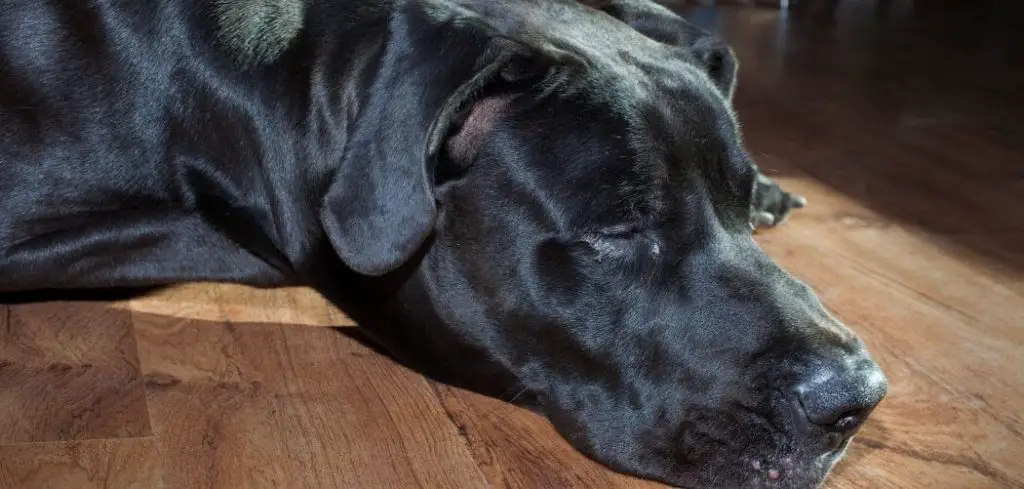
Old Dog Weak Back Legs: signs
Signs of weak back legs in older dogs often develop gradually but may also appear suddenly.
Common signs include difficulty standing up, wobbling or swaying when walking, dragging or scuffing the back paws, and trouble climbing stairs or jumping. Some dogs show knuckling (walking on the tops of their paws), crossing of the hind legs, or frequent slipping on smooth floors.
Muscle loss in the rear legs, reduced endurance on walks, reluctance to move, and occasional collapse of the hindquarters are also typical signs.
Old Dog Weak Back Legs: Common Causes
Osteoarthritis and Degenerative Joint Disease
Osteoarthritis is the leading cause of hind leg weakness in senior dogs. Over time, cartilage that cushions the hip, knee, and spinal joints wears down, causing pain, inflammation, and reduced movement.
As arthritis progresses, dogs avoid putting full weight on their back legs. They may struggle to rise, walk stiffly, slip on floors, or tire easily. Muscle loss develops as activity decreases, further weakening the legs.
This condition is serious because untreated arthritis leads to chronic pain, reduced independence, and accelerated muscle wasting.
Read more: Old Dog Falling Over (What it could mean)
Intervertebral Disc Disease and Spinal Compression
Intervertebral disc disease occurs when the cushioning discs between spinal vertebrae bulge or rupture, placing pressure on the spinal cord. Degenerative changes in older dogs make this more likely.
Dogs with spinal compression may show wobbliness, dragging toes, knuckling of paws, difficulty climbing stairs, or sudden collapse. Pain in the back may accompany weakness.
This condition is serious because severe compression can lead to permanent paralysis if not treated promptly.
Degenerative Myelopathy
Degenerative myelopathy is a progressive disease affecting the spinal cord, most commonly seen in senior dogs. It causes gradual loss of nerve signaling to the back legs.
Early signs include mild weakness, scuffing nails, and difficulty balancing. Over months, dogs lose coordination and eventually become unable to walk.
Degenerative myelopathy is serious because it is irreversible and steadily worsens, although supportive care can slow progression.
Muscle Wasting and Sarcopenia
Age-related muscle loss, known as sarcopenia, affects many older dogs. Reduced physical activity, hormonal changes, and chronic illness contribute to shrinking muscle mass.
As muscles weaken, dogs struggle to support their weight. They may shake when standing, collapse after short walks, or avoid stairs.
This condition is serious because muscle loss reduces joint stability and increases the risk of falls and injury.
Hip Dysplasia and Joint Instability
Many dogs develop worsening hip dysplasia with age. The hip joint becomes loose and malformed, causing pain and abnormal movement patterns.
Dogs with hip dysplasia may sway when walking, bunny-hop when running, or have difficulty rising. Weakness often worsens after activity.
Left untreated, joint instability accelerates arthritis and mobility decline.
Systemic Illness and Circulatory Problems
Chronic diseases such as kidney failure, heart disease, diabetes, and anemia reduce oxygen and nutrient delivery to muscles and nerves.
Dogs with systemic illness may appear generally weak, tire quickly, and struggle to support their hindquarters. Weight loss and appetite changes often accompany weakness.
These conditions are serious because they affect multiple organ systems and require medical management.
Related: Old Dog Collapsed and Pooped (Here’s why)
What to Do If Your Old Dog Has Weak Back Legs
If your old dog has weak back legs, begin by limiting strenuous activity while maintaining gentle movement. Short, frequent walks help preserve muscle without causing strain.
Provide supportive flooring using rugs, mats, or non-slip runners to prevent slipping. Stable footing reduces falls and builds confidence.
Use orthopedic bedding to cushion joints and reduce nighttime stiffness. Warm, padded beds help ease discomfort.
Consider mobility aids such as harnesses or slings to assist your dog when standing or walking. These tools reduce strain and improve safety.
Feed a balanced senior diet rich in protein and joint-supporting nutrients, as recommended by your veterinarian. Proper nutrition supports muscle maintenance.
Never give pain medications without veterinary guidance. Many human drugs are dangerous for dogs and can worsen kidney or liver disease.
When to Call or Visit Your Veterinarian
Contact your veterinarian immediately if weakness appears suddenly or worsens rapidly. Sudden onset may indicate spinal injury, stroke, or blood clots.
Seek urgent care if your dog cannot stand, loses bladder control, cries in pain, or shows paralysis.
Schedule an exam if weakness persists longer than a few days, even if mild. Early intervention improves outcomes.
Call your vet if weakness is accompanied by weight loss, vomiting, coughing, or behavioral changes.
Dogs with known arthritis, disc disease, or degenerative myelopathy should be monitored regularly.
Read more: Old Dog Unable to Get Up (Mobility emergency signs)
Old Dog Weak Back Legs: Treatment
Treatment for weak back legs in older dogs focuses on addressing the underlying cause, improving mobility, and maintaining quality of life.
A veterinarian may prescribe pain relief and anti-inflammatory medications for arthritis or spinal discomfort, along with joint supplements such as glucosamine, chondroitin, or omega-3 fatty acids.
If nerve or spinal issues are involved, treatment may include strict rest, medications to reduce nerve inflammation, or physical rehabilitation.
Supportive therapies like physical therapy, hydrotherapy, massage, and controlled exercise help strengthen muscles and improve balance.
Many senior dogs also benefit from mobility aids (slings, harnesses, ramps, non-slip flooring) and weight management to reduce strain on the hind legs.
In severe or sudden cases, further diagnostics and advanced treatments—including surgery—may be necessary, so veterinary guidance is essential.
Key Takeaway
Weak back legs in old dogs are most often caused by arthritis, spinal disease, muscle loss, neurological disorders, or chronic illness. While some decline is expected with age, persistent or worsening weakness deserves professional attention.
With proper veterinary care, physical support, and lifestyle adjustments, many senior dogs can remain comfortable and mobile.
Paying close attention to early signs gives your dog the best chance at maintaining independence and quality of life.