
When an old dog begins wandering at night instead of sleeping peacefully, it can be deeply concerning for pet owners.
This behavior often signals physical discomfort, cognitive decline, anxiety, or underlying illness that deserves careful attention.
We explain the common causes of nighttime wandering in old dogs, what you can do and when to involve your veterinarian.
Old Dog Wanders at Night: Why It Happens
When an old dog wanders at night, it is usually caused by cognitive decline, pain, anxiety, sleep disturbances, organ disease, or sensory loss that disrupts normal rest patterns.
Aging affects how dogs regulate sleep cycles, process environmental cues, and cope with physical discomfort.
As medical conditions progress, nighttime may become confusing or uncomfortable, leading to pacing, restlessness, and repeated roaming.
In many cases, this behavior reflects both physical and neurological changes occurring together.
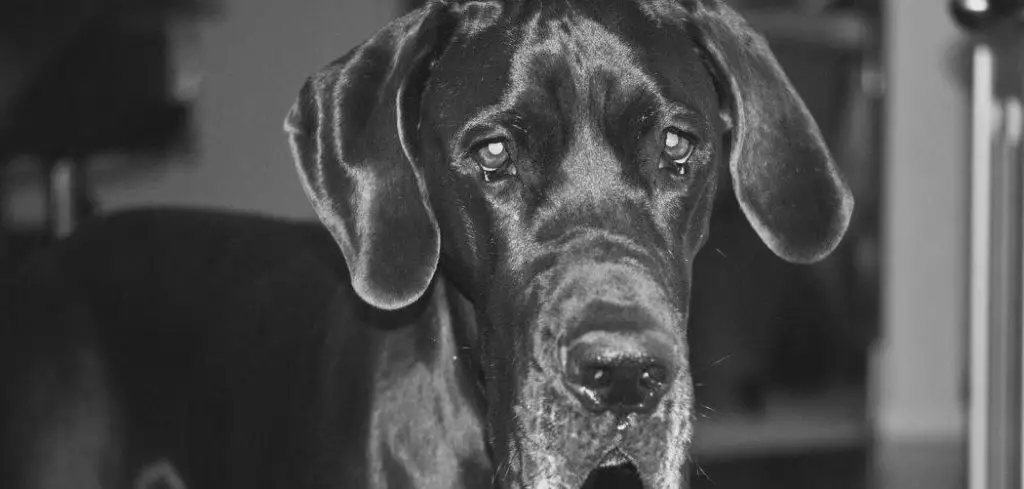
Old Dog Wanders at Night: Common Causes
Canine Cognitive Dysfunction (Dog Dementia)
Canine Cognitive Dysfunction is one of the most common reasons senior dogs begin wandering at night. This condition affects memory, awareness, and the brain’s ability to regulate daily rhythms.
Affected dogs often become disoriented after dark. They may forget where they are, fail to recognize familiar rooms, or lose track of their owners. This confusion creates anxiety that leads to pacing and roaming.
Sleep-wake cycles become disrupted, causing dogs to remain awake at night and restless during normal sleeping hours. Over time, symptoms usually worsen without medical support.
Read more: Old Dog Panting at Night (Hidden Health Triggers)
Chronic Pain and Arthritis
Joint degeneration, spinal disease, and muscle weakness are extremely common in aging dogs. Pain often becomes worse at night when joints stiffen after long periods of rest.
Discomfort makes it difficult for dogs to stay in one position. They may repeatedly stand up, walk around, lie down, and change locations trying to find relief.
Hard floors, stairs, and confined spaces may increase pain, causing dogs to roam in search of softer or warmer spots.
Untreated pain significantly disrupts sleep quality and contributes to nighttime restlessness.
Heart, Lung, and Circulatory Disease
Heart disease and respiratory disorders can interfere with restful sleep in older dogs. Poor circulation and reduced oxygen delivery worsen when dogs lie down for long periods.
Dogs may feel short of breath while resting, prompting them to stand, pace, or change positions frequently. Some prefer to remain upright to breathe more easily.
Fluid buildup in the lungs or abdomen can also cause discomfort, especially at night.
Signs often include coughing, panting, exercise intolerance, and fatigue.
Kidney, Liver, and Metabolic Disease
Chronic organ disease affects toxin removal and fluid balance in senior dogs. As these toxins build up, they can cause nausea, confusion, and restlessness.
Kidney disease leads to increased urination and thirst, causing dogs to wake repeatedly to drink or eliminate.
Liver disease affects brain chemistry, sometimes leading to mild neurological symptoms that resemble dementia.
These metabolic changes interfere with deep, restorative sleep.
Anxiety
Many senior dogs develop anxiety as their senses decline. Vision loss, hearing loss, and reduced mobility make nighttime feel unsafe.
Darkness removes visual cues that dogs rely on for orientation. This increases fear and uncertainty, leading to wandering.
Separation anxiety may worsen with age, causing dogs to seek reassurance during quiet nighttime hours.
Stress hormones remain elevated, preventing relaxation.
Sensory Decline and Disorientation
Aging gradually weakens eyesight, hearing, and balance. These losses become more noticeable in low-light conditions.
Dogs may bump into furniture, misjudge distances, or feel unstable. This confusion triggers repeated movement.
Without clear sensory feedback, dogs struggle to settle and remain calm.
This condition often overlaps with cognitive decline.
Read more: Old dog waking up at night (What it means)
What to Do If Your Old Dog Wanders at Night
Create a calm, predictable bedtime routine. Feeding, walking, and resting at consistent times helps regulate internal rhythms.
Provide orthopedic bedding in a quiet, dimly lit area that feels secure. Nightlights can reduce disorientation.
Ensure your dog receives appropriate pain management if arthritis or spinal disease is present. Never give human medications without veterinary approval.
Encourage gentle daytime activity and mental stimulation to promote natural tiredness at night.
Consider calming supplements, prescription medications, or cognitive-support diets if recommended by your veterinarian.
When to Call or Visit Your Veterinarian
Schedule a veterinary visit if nighttime wandering appears suddenly or worsens quickly.
Seek immediate care if wandering is accompanied by collapse, weakness, seizures, breathing difficulty, or extreme confusion.
Contact your vet if your dog stops eating, loses weight, drinks excessively, or urinates frequently.
Urgent evaluation is needed if your dog appears distressed, vocalizes constantly at night, or cannot settle for several hours.
Read more: Old dog seizures at night (Why it happens)
Key Takeaway
When an old dog wanders at night, it is rarely just a harmless habit. In most cases, it reflects physical pain, neurological decline, organ disease, anxiety, or sensory loss.
With early diagnosis, proper treatment, and environmental support, many senior dogs can regain peaceful sleep.
Paying close attention to these changes and working closely with your veterinarian helps protect your dog’s comfort and quality of life in their later years.