
When an old dog suddenly becomes unsteady on their feet, wobbles while walking, or struggles to keep their balance, it can be frightening for any pet owner.
Changes in mobility and coordination are never something to ignore in senior dogs, as they often signal underlying health problems that need careful attention.
Old Dog Unsteady on Feet: Here's Why
When an old dog becomes unsteady on their feet, it is usually linked to neurological changes, joint degeneration, inner ear disorders, muscle weakness, or systemic illnesses that interfere with balance and movement.
As dogs age, their nervous system, muscles, and joints gradually lose strength and coordination.
Conditions affecting the brain, spinal cord, or inner ear can disrupt balance signals, while pain and weakness can alter how a dog walks. These combined changes often result in wobbling, stumbling, or reluctance to move.
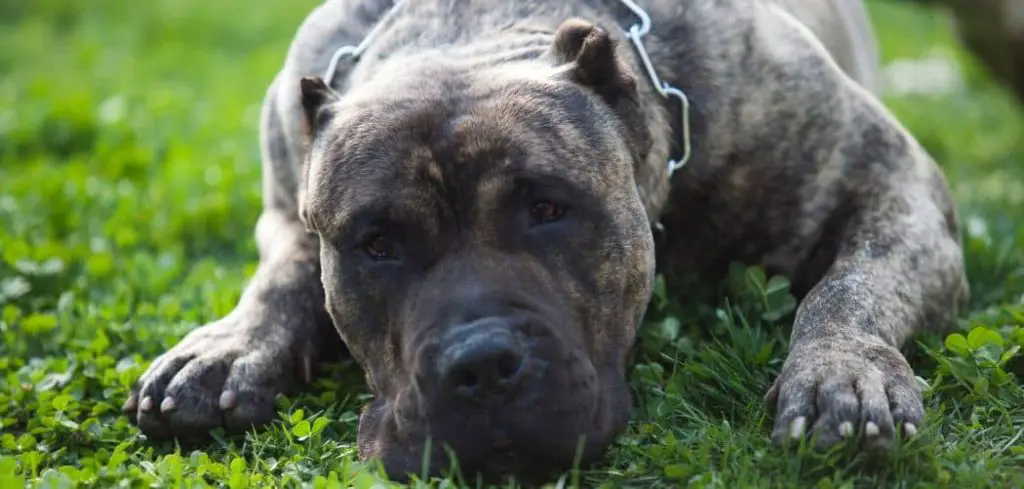
Old Dog Unsteady on Feet: Common Causes
Arthritis and Degenerative Joint Disease
Arthritis is one of the most common reasons senior dogs become unsteady. Over time, cartilage within the joints wears down, leading to inflammation, stiffness, and pain.
When joints become painful, dogs shift their weight abnormally to avoid discomfort. This altered movement pattern reduces stability and makes walking uneven. You may notice difficulty standing up, limping, reluctance to climb stairs, or slower movement.
Untreated arthritis can significantly weaken muscles and worsen balance issues, increasing the risk of falls and injuries.
Read more: Old Dog Falling Over (What it could mean)
Vestibular Disease (Balance System Disorders)
Vestibular disease affects the inner ear and brain areas responsible for balance. It is a frequent cause of sudden wobbling in older dogs.
Dogs with vestibular disease often tilt their head, stagger while walking, circle, fall over, or appear dizzy. Some may also experience nausea or vomiting.
While many cases improve over time, some stem from serious infections, tumors, or strokes, making veterinary evaluation essential.
Neurological Disorders and Brain Changes
Aging dogs are at higher risk for neurological conditions such as brain tumors, cognitive dysfunction, spinal cord compression, or nerve degeneration.
These disorders interfere with signals between the brain and limbs, leading to poor coordination, dragging paws, crossing legs, or weakness on one side of the body.
Additional signs may include behavioral changes, seizures, confusion, or altered vision. Neurological problems often progress without treatment and can greatly affect quality of life.
Muscle Loss and General Weakness
Senior dogs naturally lose muscle mass as they age, especially if activity levels decline or illness develops. This process, known as sarcopenia, reduces strength and stability.
Weak muscles cannot support joints and posture effectively, making it harder for dogs to balance while standing or walking. You may notice trembling legs, slow movement, or difficulty maintaining footing on slippery surfaces.
Muscle loss can worsen rapidly when combined with poor nutrition, chronic disease, or prolonged inactivity.
Inner Ear Infections and Chronic Ear Disease
Chronic ear infections are common in older dogs and can extend into the inner ear, where balance receptors are located.
Inflammation and fluid buildup disrupt the signals that tell the brain where the body is positioned. This causes wobbling, head tilting, and loss of coordination.
Signs often include ear redness, discharge, odor, scratching, and sensitivity around the head. Without treatment, inner ear infections may lead to permanent balance problems.
Systemic Illness and Organ Dysfunction
Diseases affecting the kidneys, liver, heart, or endocrine system can weaken the body and impair circulation and nerve function.
When toxins accumulate in the bloodstream or oxygen delivery decreases, muscles and nerves do not function properly. This can result in weakness, staggering, and fatigue.
Dogs may also show appetite loss, weight changes, increased thirst, or lethargy. Systemic illness requires prompt diagnosis to prevent further deterioration.
Related: Old Dog Back Legs Collapsing (Common Causes)
Old Dog Unsteady on Feet: What to Do
Create a safe home environment by removing slippery rugs, blocking access to stairs, and providing non-slip mats in high-traffic areas. This helps prevent falls and injuries.
Encourage gentle, low-impact exercise such as short walks or supervised swimming to maintain muscle tone without overstraining joints.
Ensure your dog is receiving balanced senior nutrition and appropriate supplements as recommended by your veterinarian. Proper nutrition supports muscle, nerve, and joint health.
Assist your dog with mobility aids such as harnesses or ramps if needed. These tools reduce strain and improve confidence while walking.
Observe changes carefully and keep notes on when wobbling occurs, how severe it is, and whether it is worsening. This information is valuable for your veterinarian.
When to Call or Visit Your Veterinarian
Seek immediate veterinary care if unsteadiness appears suddenly, worsens rapidly, or is accompanied by collapse, seizures, or paralysis.
Contact your vet promptly if your dog shows persistent head tilting, vomiting, eye flicking, or confusion, as these may indicate vestibular or neurological disease.
Urgent attention is needed if your dog struggles to stand, cries in pain, stops eating, or shows signs of severe weakness.
If balance problems continue for more than a few days without improvement, schedule a full examination to identify underlying causes.
Related: Old Dog Collapsed and Pooped (Here’s why)
Old Dog Unsteady on Feet: Treatment
Treatment for an older dog that is unsteady on their feet focuses on identifying whether the cause is neurological, musculoskeletal, metabolic, or vestibular in nature.
A veterinarian will perform a full physical and neurological exam and may order blood tests, urinalysis, blood pressure checks, and imaging such as X-rays or advanced scans to assess for arthritis, spinal disease, inner ear disorders, stroke-like events, toxin exposure, or organ dysfunction.
Treatment may include pain control, anti-inflammatory medications, fluids, anti-nausea drugs (for vestibular disease), and supportive care such as assisted walking or hospitalization.
In chronic cases, physical therapy, mobility support, and home safety modifications may be recommended.
Key Takeaway
Unsteadiness in old dogs is often linked to joint disease, neurological disorders, vestibular problems, muscle weakness, or chronic illness. While some age-related changes are manageable, many balance issues signal treatable medical conditions.
Early diagnosis, supportive care, and ongoing monitoring can greatly improve your senior dog’s comfort and mobility.
If your dog becomes wobbly or unstable, acting quickly gives them the best chance at maintaining a good quality of life.