
Excessive shedding in an older dog often signals that something inside the body or on the skin is no longer functioning the way it should.
In this guide, we explain the common reasons for excessive shedding in an old dog, what you can do and when to seek veterinary care.
Old Dog Shedding Excessively: Why It Happens
An old dog shedding excessively is most often linked to aging-related hormone changes, chronic disease, allergies, or skin infections that weaken the hair follicles and disrupt normal hair growth cycles.
As dogs age, their bodies become less efficient at regulating skin oils, immune responses, and hair renewal, which causes fur to release more easily and regrow more slowly, leading to visible hair loss and heavy shedding.
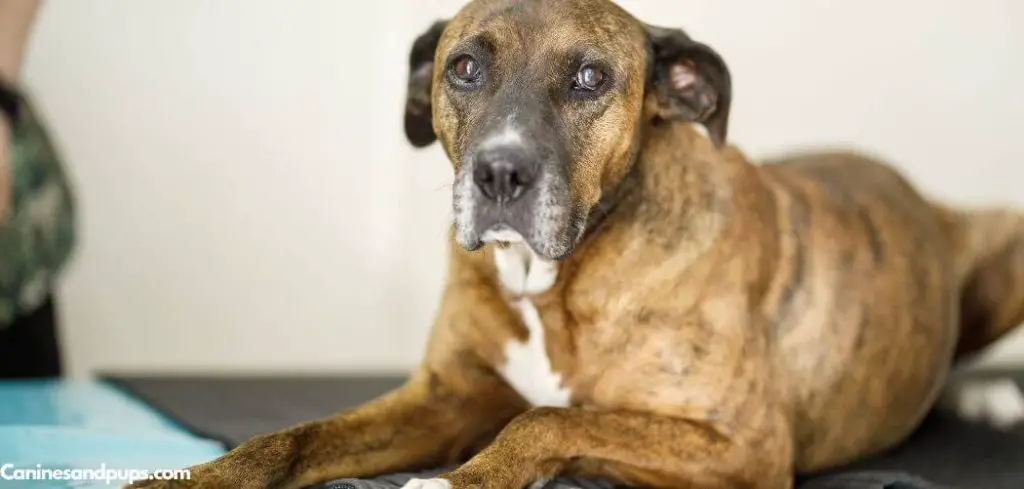
Old Dog Shedding Excessively: Common Causes
Hormonal Imbalance (Thyroid and Adrenal Disorders)
Hormones play a huge role in keeping your dog’s coat healthy, shiny, and full.
When an older dog develops conditions like hypothyroidism or Cushing’s disease, hormone levels shift and hair growth cycles become disrupted.
This causes hair to fall out too quickly or stop growing back properly, which leads to thin fur, bald patches, or constant shedding even when brushing regularly.
You may also notice weight changes, increased thirst, sluggishness, or skin darkening along with the hair loss.
Because hormones affect the entire body, shedding caused by these conditions tends to worsen over time without treatment.
Read more: Old Dog Not Eating (When to worry)
Chronic Skin Infections
As dogs age, their immune systems become weaker and less able to fight bacteria and yeast that naturally live on the skin.
This makes older dogs much more prone to recurring skin infections.
These infections inflame the skin and damage hair follicles, causing fur to loosen and fall out in large amounts.
You may see redness, greasy patches, dandruff, scabs, or a foul smell coming from the coat.
When the skin is constantly irritated, it simply cannot support healthy hair growth, so shedding becomes ongoing and heavy.
Poor Nutrition or Nutrient Malabsorption
An old dog’s body does not absorb nutrients as efficiently as it once did.
Even if your dog is eating a high-quality food, their digestive system may not be processing protein, fats, or vitamins properly.
Hair is made mostly of protein, and when the body doesn’t get enough usable nutrients, it starts prioritizing vital organs over coat health.
This leads to dull fur, brittle hair, and excessive shedding that brushing cannot fix.
You might also notice muscle loss, weight changes, or a drop in energy alongside coat problems.
Allergies and Immune-Related Skin Reactions
Older dogs often develop new allergies or immune sensitivities later in life.
These may be triggered by food, pollen, dust mites, or household products.
When the immune system overreacts, it creates inflammation in the skin that weakens hair follicles and makes fur fall out.
Dogs with allergies often scratch, lick, or rub their skin, which further accelerates hair loss.
The shedding may come with redness, itching, ear infections, or hot spots that seem to keep returning.
Underlying Organ Disease
Chronic illnesses such as kidney disease, liver disease, or cancer place a huge strain on the body.
When vital organs are struggling, the body shifts resources away from things like coat maintenance.
This causes fur to thin out, shed excessively, and grow back slowly or unevenly.
You may also see appetite changes, vomiting, increased thirst, weight loss, or lethargy.
When shedding is driven by internal disease, it often comes on gradually but worsens over time.
Age-Related Skin Thinning and Reduced Oil Production
As dogs grow older, their skin becomes thinner and produces less natural oil. These oils normally protect the hair and keep it anchored in the follicle.
Without enough oil, hair becomes dry, fragile, and more likely to break or fall out.
This results in constant shedding, flaky skin, and a dull coat even when your dog is otherwise acting normal.
Because this is a slow aging change, owners often notice more hair around the house but no obvious sores or itching.
Related: Dog shedding due to stress (Why it happens)
Old Dog Shedding Excessively: What to Do
If your old dog is shedding far more than usual, start by gently brushing them every day.
This removes loose hair, stimulates the skin, and helps distribute natural oils across the coat.
Pay attention to any bald spots, redness, scabs, or strong odors, as these can signal skin infection or inflammation that needs treatment.
Make sure your dog is eating a high-quality, senior-appropriate diet with enough protein and essential fatty acids.
Omega-3 and omega-6 fats help reduce skin inflammation and support healthier hair growth.
Keep bathing to a minimum and use only gentle, dog-safe shampoos, as overbathing strips away the little oil older dogs still produce.
Finally, watch for other changes such as weight shifts, drinking more water, or lower energy, since these often point to internal causes of shedding.
When to Call or Visit Your Vet
If shedding is sudden, extreme, or paired with bald patches, a veterinary exam is important.
Hair loss combined with itching, redness, or skin sores may indicate infection or allergies that require medication.
If your old dog is also losing weight, drinking more, or acting tired, shedding could be a sign of hormone or organ disease.
A dull, thinning coat along with appetite changes or vomiting should never be ignored.
When excessive shedding continues for weeks despite grooming and diet improvements, blood tests and skin evaluations can help identify the true cause.
Read more: Old Dog Constant Diarrhea (Find out what it means)
Key Takeaway
An old dog shedding excessively is not just a cosmetic issue, it is often your dog’s body signaling that something is off.
Hormones, skin health, nutrition, and internal disease all play a role in how well your dog can maintain a healthy coat.
While some increase in shedding is normal with aging, heavy, ongoing hair loss deserves attention.
With proper grooming, nutrition, and timely veterinary care, many older dogs can regain healthier skin and a more comfortable coat, helping them feel better in their golden years.