
It can be unsettling to see your senior dog standing or sitting while gently — or noticeably — rocking back and forth. If your old dog is rocking back and forth, this behavior is not typical and should not be dismissed as “just aging.” In many cases, repetitive body movements in older dogs signal discomfort, neurological changes, or cognitive decline.
While occasional shifting of weight is normal, persistent rocking is usually a sign that something deeper is happening.
In this guide, we outline the most common reasons senior dogs rock back and forth, when the behavior is an emergency, and how to help your aging companion stay comfortable and safe.
Table of Contents
What Does “Rocking Back And Forth” Look Like?
Rocking behavior may involve a dog shifting their body weight rhythmically while standing, sitting, or lying down. Some dogs sway gently from side to side. Others move their upper body forward and backward in a repetitive pattern.
This movement may last only a few seconds or continue for extended periods. In some cases, rocking is accompanied by staring, pacing, or apparent confusion.
Because the behavior is repetitive and often purposeless, it typically reflects either physical instability or neurological disturbance.
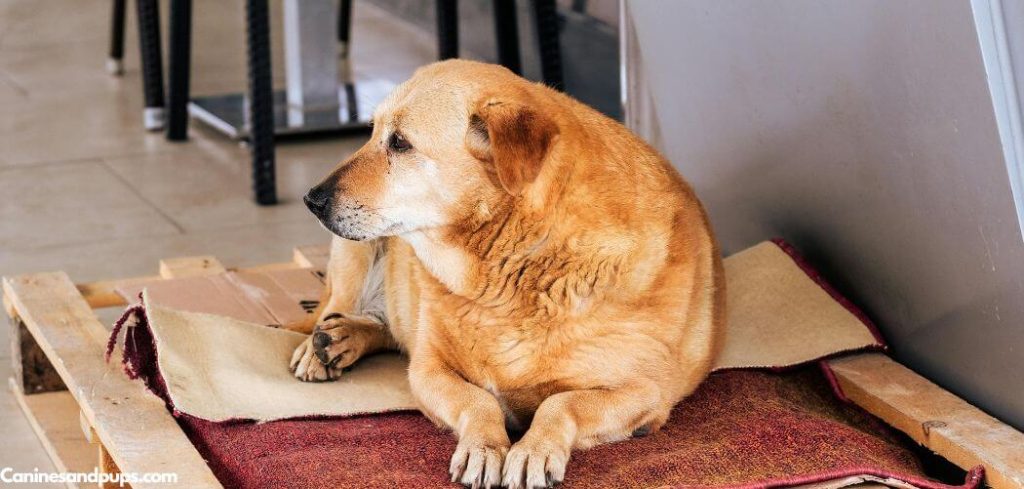
If your old dog is rocking back and forth, you may notice additional signs that help explain the behavior:
- Repetitive swaying or shifting weight side to side
- Difficulty standing still or maintaining balance
- Pacing or restlessness
- Appearing confused or disoriented
- Head tilting or leaning
- Weakness in the legs
- Reluctance to lie down or stay in one position
- Changes in appetite or energy levels
- Whining, barking, or signs of distress
Old Dog Rocking Back And Forth:Why It Happens
An old dog rocking back and forth is usually a sign of discomfort, anxiety, cognitive decline, or neurological dysfunction rather than normal behavior. Repetitive movements like rocking are often a coping response to confusion, pain, or an inability to settle comfortably.
Understanding the context and accompanying symptoms is key to identifying the cause.
Old Dog Rocking Back And Forth: Common Causes
Cognitive Dysfunction Syndrome
Cognitive dysfunction syndrome is one of the most common reasons for unusual repetitive behaviors in senior dogs. Similar to dementia in humans, this condition affects memory, awareness, and orientation.
Dogs with cognitive dysfunction may appear confused in familiar settings. Rocking can occur as a response to disorientation, especially if the dog is unsure of their surroundings.
Nighttime episodes are common, but rocking may also occur during the day. Additional signs include pacing, staring at walls, house-training accidents, and altered sleep cycles.
Although cognitive dysfunction is progressive, early recognition allows for supportive interventions that may slow decline.
Read more: Old Dog Syndrome (Signs, causes and treatment)
Anxiety
Anxiety can manifest physically in older dogs. Rocking may serve as a self-soothing behavior in response to stress or confusion.
Dogs experiencing separation anxiety or environmental stress may display repetitive movements when feeling unsettled.
However, anxiety-related rocking is typically accompanied by panting, pacing, or vocalization.
Chronic Pain
Pain is a frequently overlooked cause of repetitive movement. Arthritis, spinal disease, or hip discomfort may cause dogs to shift weight continuously in search of a comfortable position.
An old dog rocking back and forth while standing may be trying to redistribute pressure from painful joints.
If rocking occurs when rising from rest or is accompanied by stiffness, chronic pain is likely contributing.
Vestibular Disease
The vestibular system controls balance and spatial orientation. When disrupted, dogs may feel dizzy or off-balance.
Senior dogs are particularly prone to idiopathic vestibular disease. Symptoms often include head tilt, loss of balance, and unsteady gait.
Rocking may occur as the dog attempts to stabilize themselves.
Vestibular episodes can appear suddenly and may require veterinary evaluation to rule out underlying causes.
Read more: Old Dog Vestibular Disease (Signs, causes and treatment)
Neurological Disorders
Brain tumors, strokes, or inflammatory brain diseases can cause abnormal repetitive movements.
Neurological rocking may be accompanied by seizures, altered mental awareness, head pressing, or coordination problems.
Because neurological disease can progress quickly, sudden onset of rocking behavior warrants immediate veterinary attention.
Read more: Old Dog Neurological Problems (Signs to watch out for)
Muscle Weakness and Atrophy
Age-related muscle loss can lead to instability. When hind leg muscles weaken, dogs may sway slightly while standing.
This type of rocking is often subtle and occurs primarily during prolonged standing.
Strengthening exercises and supportive care may improve stability.
Metabolic or Systemic Illness
Kidney disease, liver dysfunction, or electrolyte imbalances can affect neurological function.
Toxin buildup in advanced organ disease may cause confusion and unusual movements, including rocking.
Additional signs often include appetite loss, lethargy, vomiting, or increased thirst.
Old Dog Rocking Back And Forth: What to Do
If your old dog is rocking back and forth, start by observing when the behavior occurs. Note whether it happens during rest, after activity, or in specific situations.
Create a safe and comfortable environment where your dog can move without slipping or straining. Soft bedding and non-slip flooring can help improve stability.
Keep your dog’s routine consistent. Predictability can reduce anxiety and confusion, especially if cognitive decline is involved.
Limit activities that may strain your dog physically, but continue gentle movement to maintain muscle strength and circulation.
Offer reassurance if your dog seems anxious, but try to remain calm and avoid reinforcing the behavior unintentionally.
When to Call or Visit Your Vet
If your old dog rocking back and forth begins suddenly, worsens, or is accompanied by other symptoms, you should contact your veterinarian.
Seek immediate care if you notice loss of balance, inability to stand, head tilt, or signs of neurological distress.
If your dog shows signs of pain, such as whining, reluctance to move, or changes in posture, a veterinary evaluation is important.
Behavioral changes like confusion, disorientation, or repetitive movements should also be assessed, as they may indicate cognitive dysfunction or neurological issues.
Old Dog Rocking Back And Forth: Treatment
Treatment for an old dog rocking back and forth depends on identifying the underlying cause.
If cognitive dysfunction is diagnosed, your vet may recommend medications or supplements to support brain function.
Pain-related causes can be managed with appropriate pain relief and supportive care.
Vestibular disease may require supportive treatment and monitoring, depending on severity.
Neurological conditions may involve diagnostic testing and targeted therapies.
If anxiety is a contributing factor, calming strategies or medications may be recommended.
The goal is to improve your dog’s comfort, stability, and overall quality of life.
Key Takeaway
An old dog rocking back and forth is not a normal part of aging. While mild instability may result from muscle weakness, persistent or repetitive rocking often signals cognitive decline, pain, balance disorders, or neurological disease.
The key is prompt evaluation. Early diagnosis allows appropriate treatment and improves comfort.
If your senior dog begins rocking unexpectedly or shows additional concerning signs, schedule a veterinary appointment as soon as possible.
With proper care and support, many underlying causes can be managed, helping your aging companion remain safe and comfortable throughout their golden years.


