
As dogs grow older, it is common for owners to notice physical and behavioral changes that can sometimes become worrying.
Slower movement, changes in appetite, confusion, accidents in the house, and reduced energy are all common old dog problems that may affect a senior dog’s quality of life.
Table of Contents
What Are Common Old Dog Problems?
Senior dogs experience natural aging changes just like humans do. As the body ages, joints become stiffer, organs may function less efficiently, and the senses can weaken. Some changes are mild and manageable, while others may signal underlying medical conditions that require treatment.
Old dog problems can affect mobility, digestion, breathing, sleep, vision, hearing, behavior, and mental function. Many senior dogs develop more than one issue at the same time, which can make symptoms seem more severe.
Although aging itself is not a disease, older dogs often need extra support, monitoring, and veterinary care to remain comfortable and healthy.
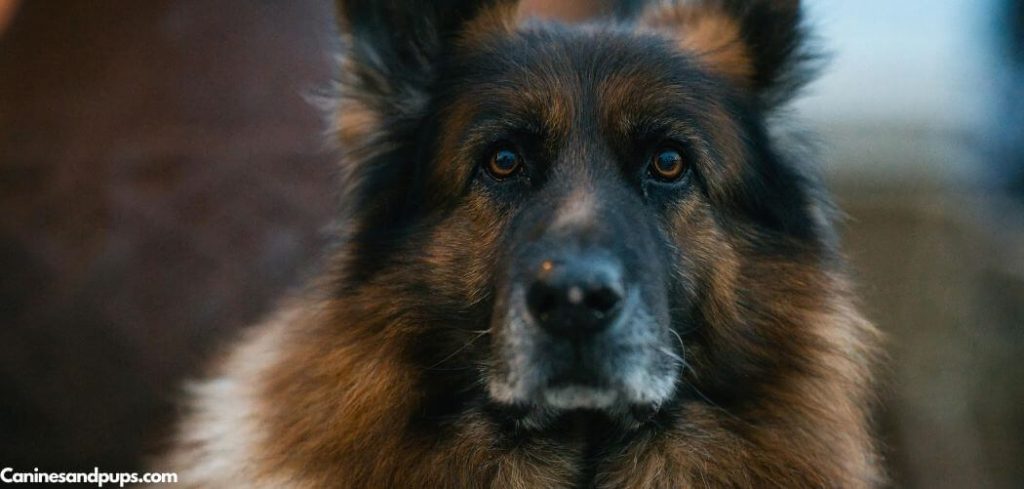
Why Old Dog Problems Happen
Aging affects nearly every part of a dog’s body. Joints lose cushioning, muscles weaken, organs work less efficiently, and the immune system becomes less effective. These changes increase the risk of chronic illnesses and physical decline.
Older dogs may also develop multiple conditions simultaneously, such as arthritis combined with kidney disease or cognitive dysfunction. Because symptoms often overlap, veterinary evaluation is important when new changes appear.
Lifestyle, genetics, breed size, diet, weight, and previous health history all influence how dogs age and what problems they may develop.
Symptoms Seen in Older Dogs
The signs of aging vary depending on the dog’s health, breed, and size. Common symptoms include:
Slower movement
Difficulty standing or climbing stairs
Increased sleeping
Weight loss or weight gain
Hearing or vision loss
Confusion or disorientation
Increased thirst or urination
Accidents in the house
Panting or pacing
Reduced appetite
Bad breath
Lumps or bumps
Weakness in the back legs
Changes in behavior or personality
Some senior dogs become more anxious or clingy, while others become quieter and less interactive.
Is It Normal for Old Dogs to Slow Down?
Some slowing down is normal with age, but significant changes should not simply be dismissed as “old age.” Many symptoms that seem age-related may actually result from treatable medical conditions.
Pain, weakness, confusion, appetite loss, excessive thirst, and breathing changes should always be evaluated by a veterinarian, especially if symptoms worsen suddenly.
Related: Old Dog Extremely Lethargic (Causes and treatment)
Common Old Dog Problems
Arthritis and Joint Pain
Arthritis is one of the most common problems in senior dogs. Worn cartilage and joint inflammation make movement painful and difficult. Dogs with arthritis may struggle to stand, hesitate before jumping, limp, or move more slowly.
Pain often worsens after exercise or during cold weather. Some dogs also become irritable or withdrawn because of chronic discomfort.
Cognitive Dysfunction (Dog Dementia)
Many older dogs develop cognitive dysfunction, sometimes called dog dementia. Symptoms may include confusion, nighttime pacing, staring at walls, accidents indoors, and changes in sleep patterns.
Dogs with dementia may seem lost in familiar places or forget routines they previously knew well. The condition often progresses gradually over time.
Related: Old Dog Syndrome (Signs, causes and treatment)
Kidney Disease
Kidney disease commonly affects aging dogs and can cause increased thirst, frequent urination, weight loss, vomiting, and lethargy.
Symptoms usually develop slowly and may not become obvious until significant kidney damage has occurred.
Early diagnosis and treatment can often improve comfort and slow progression.
Heart Disease
Heart disease becomes more common with age, especially in small breeds. Dogs may develop coughing, reduced stamina, breathing difficulty, weakness, or collapse in severe cases.
Fluid buildup caused by heart disease can make breathing uncomfortable and reduce overall quality of life.
Vision and Hearing Loss
Senior dogs often experience declining vision and hearing. Cataracts, retinal disease, and age-related hearing loss may make dogs seem confused or less responsive.
Some dogs startle more easily because they cannot hear approaching people or other pets.
Dental Disease
Dental problems are extremely common in older dogs. Tartar buildup, infected gums, loose teeth, and oral pain can affect appetite and overall health.
Dogs with dental disease may drool, chew slowly, have bad breath, or avoid hard food.
Cancer
Cancer risk increases significantly with age. Senior dogs may develop lumps, weight loss, appetite changes, lethargy, or unexplained bleeding, depending on the type of cancer involved.
Some cancers progress slowly, while others become aggressive quickly.
Digestive Problems
Older dogs may experience vomiting, diarrhea, constipation, or increased stomach sensitivity.
Digestive changes can occur due to food intolerance, chronic disease, medication side effects, or reduced organ function.
Anxiety and Sleep Changes
Many senior dogs develop anxiety as they age. Some become restless at night, pace frequently, bark unexpectedly, or struggle to settle down.
Pain, cognitive dysfunction, hearing loss, and vision changes may all contribute to anxiety in older dogs.
Muscle Loss and Weakness
Aging dogs naturally lose muscle mass over time, especially if activity levels decrease.
Weakness in the back legs is particularly common and may make walking, climbing stairs, or standing difficult.
Related: Old Dog Vestibular Disease (Signs, causes and treatment)
What to Do at Home
Supporting a senior dog at home can greatly improve comfort and quality of life.
Provide Comfortable Bedding
Orthopedic beds and warm sleeping areas help reduce pressure on aging joints and improve sleep quality.
Maintain a Healthy Weight
Excess weight increases stress on joints and organs. Keeping senior dogs lean may improve mobility and reduce strain on the heart and kidneys.
Encourage Gentle Exercise
Regular low-impact activity helps maintain muscle strength, circulation, and mental stimulation. Short walks and gentle play are often beneficial.
Make the Home Easier to Navigate
Non-slip rugs, ramps, and easy access to food and water can help dogs with mobility or vision problems move around more safely.
Feed a Senior-Appropriate Diet
Senior diets are formulated to support aging joints, organs, and metabolism. Some dogs may benefit from prescription diets depending on their medical conditions.
Monitor Behavior and Appetite
Keep track of changes in eating, drinking, sleeping, urination, bowel movements, and activity levels.
When to Call or Visit the Vet
Contact your veterinarian if your senior dog experiences:
Sudden weakness or collapse
Difficulty breathing
Refusal to eat
Persistent vomiting or diarrhea
Excessive drinking or urination
Severe pain or limping
Confusion or disorientation
Rapid weight loss
Seizures
Difficulty standing or walking
Bleeding or unexplained lumps
Early treatment often improves comfort and long-term outcomes.
Old Dog Problems: Treatment
Treatment depends on the specific health problem affecting a dog. Bloodwork, X-rays, ultrasound, and urine testing help identify underlying illnesses commonly seen in older dogs.
The veterinarian may prescribe medications for heart disease, anxiety, dementia, pain, infections, or hormonal conditions.
Arthritis medications, joint supplements, physical therapy, and weight management may help improve mobility and reduce discomfort.
Specialized diets may support kidney disease, heart disease, digestive problems, or cognitive decline.
Professional dental cleaning and treatment can improve appetite, comfort, and overall health.
Recovery and Monitoring
Many old dog problems require ongoing management rather than complete cures. Regular veterinary checkups are especially important for senior dogs because conditions can progress gradually.
Monitoring mobility, appetite, weight, hydration, and behavior helps detect worsening symptoms early. Adjusting medications, diet, and home care may improve quality of life significantly.
The goal is often to maintain comfort, mobility, and enjoyment of daily life for as long as possible.
Old Dog Problems: Prevention
Although aging cannot be prevented, healthy habits may reduce the risk of certain senior health problems:
Schedule regular senior wellness exams
Maintain dental health
Keep dogs physically active
Feed a balanced diet
Prevent obesity
Monitor for behavior changes
Treat illnesses early
Provide mental stimulation
Early intervention often leads to better outcomes and improved quality of life in aging dogs.
Key Takeaway
Old dog problems are common as pets age, but many conditions can be managed successfully with proper veterinary care and supportive home routines.
Slowing down, confusion, mobility problems, appetite changes, and weakness should not automatically be dismissed as normal aging.
Paying close attention to changes in your senior dog’s behavior and physical condition can help identify health problems earlier and improve long-term comfort.
If your old dog is showing concerning symptoms, a veterinary evaluation can help determine the cause and the best treatment plan moving forward.


