
An old dog that suddenly becomes extremely lethargic can be very concerning, especially if they barely move, sleep excessively, refuse food, or seem weak and uninterested in normal activities.
Severe lethargy in senior dogs is often a sign that something more serious is affecting their health and should not be ignored.
Table of Contents
What Does Extreme Lethargy Mean in Older Dogs?
Lethargy means a noticeable decrease in energy, alertness, and activity level. While older dogs naturally slow down with age, extreme lethargy goes beyond normal aging. A severely lethargic dog may struggle to get up, avoid walking, sleep almost constantly, or seem mentally dull and disconnected.
Some senior dogs become lethargic gradually over time due to chronic disease, while others decline suddenly because of infections, pain, organ failure, or emergencies.
The severity and duration of symptoms often provide important clues about the underlying cause.
Extreme lethargy is especially concerning when combined with symptoms such as vomiting, breathing difficulty, collapse, refusal to eat, or weakness.
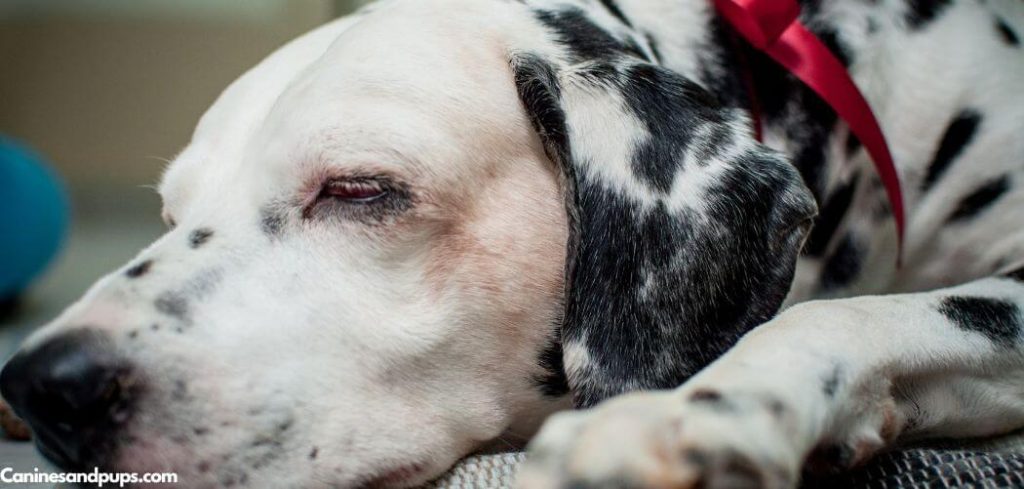
Why Extreme Lethargy Happens in Senior Dogs
Aging dogs are more vulnerable to chronic illnesses, pain, infections, and organ dysfunction. Because older bodies recover more slowly and have less physical reserve, even mild illness can lead to significant weakness and fatigue.
Lethargy itself is not a disease but rather a symptom that something is affecting the dog’s overall health. The cause may range from manageable arthritis pain to serious conditions such as kidney failure, heart disease, cancer, or severe infection.
Sudden extreme lethargy should always be taken seriously, especially in elderly dogs.
Symptoms That May Occur Alongside Extreme Lethargy
Older dogs with severe lethargy may also show:
Sleeping far more than usual
Weakness or collapse
Refusal to eat
Difficulty standing or walking
Heavy panting
Vomiting or diarrhea
Weight loss
Pale gums
Confusion or disorientation
Shaking or trembling
Labored breathing
Increased thirst
Hiding or isolation
Loss of interest in family interaction
Some dogs may simply seem “not themselves” before more obvious symptoms appear.
Common Causes of Extreme Lethargy in Older Dogs
Arthritis and Chronic Pain
Severe arthritis is one of the most common reasons senior dogs become inactive and lethargic. Chronic pain can make standing, walking, and moving uncomfortable, causing dogs to sleep more and avoid activity.
Dogs with untreated pain may seem depressed, irritable, or withdrawn. Some also pant excessively or struggle to settle comfortably.
Kidney Disease
Kidney disease often causes weakness, nausea, dehydration, and poor appetite in older dogs. As toxins build up in the bloodstream, dogs may become increasingly lethargic and mentally dull.
Other symptoms often include increased thirst, frequent urination, vomiting, and weight loss.
Related: Old Dog Kidney Disease Life Expectancy (What to expect)
Heart Disease
Heart disease can reduce oxygen delivery throughout the body, leading to fatigue and exercise intolerance. Dogs with heart problems may tire quickly, cough, breathe heavily, or collapse after mild activity.
Fluid buildup in the lungs can make even small movements exhausting.
Infections
Senior dogs may become extremely lethargic when fighting infections. Urinary tract infections, dental infections, pneumonia, and severe skin infections can all cause weakness and reduced energy.
Older dogs sometimes show lethargy as the first or only sign of illness.
Cancer
Cancer is common in aging dogs and may cause chronic fatigue, appetite loss, weight loss, and weakness.
Some cancers also cause internal bleeding or organ dysfunction that leads to sudden, severe lethargy.
Cognitive Dysfunction
Dogs with dementia may sleep more during the day and seem mentally withdrawn or disoriented.
Cognitive dysfunction can also disrupt sleep cycles, leading to nighttime restlessness and daytime exhaustion.
Dehydration
Dehydration reduces circulation and energy levels, making dogs appear weak and exhausted.
Vomiting, diarrhea, kidney disease, or refusal to drink water can quickly lead to dehydration in senior dogs.
Anemia
Anemia occurs when the body lacks enough healthy red blood cells to carry oxygen. Dogs with anemia may appear pale, weak, tired, and unable to exercise normally.
Severe Gastrointestinal Problems
Vomiting, diarrhea, bloating, or stomach pain can drain energy rapidly. Dogs with digestive illness often refuse food and become weak due to dehydration and discomfort.
Neurological Disease
Brain disease, spinal problems, strokes, or vestibular disease may cause weakness, confusion, and severe lethargy in older dogs.
Related: Old Dog Neurological Problems (Signs to watch out for)
Is Extreme Lethargy an Emergency?
Extreme lethargy can absolutely be an emergency, especially if it appears suddenly or is accompanied by other severe symptoms.
Seek immediate veterinary care if your dog has:
Collapse
Difficulty breathing
Pale or blue gums
Refusal to eat or drink
Persistent vomiting
Bloody diarrhea
Seizures
Severe weakness
Inability to stand
Sudden confusion
Distended abdomen
Even if symptoms seem mild at first, elderly dogs can deteriorate quickly.
What to Do at Home
Keep Your Dog Comfortable
Provide a warm, quiet resting area with soft bedding. Minimize stress and avoid forcing activity if the dog appears weak or painful.
Encourage Hydration
Ensure fresh water is always available. Some dogs may drink more easily from shallow bowls placed nearby.
Monitor Eating and Drinking
Track how much your dog eats and drinks. A complete refusal to eat for more than a day is concerning in senior dogs.
Watch Breathing Closely
Monitor for rapid breathing, heavy panting, coughing, or labored breathing, which may indicate heart or lung problems.
Limit Strenuous Activity
Avoid excessive exercise until the cause of lethargy is identified.
Observe for Additional Symptoms
Keep note of vomiting, diarrhea, limping, confusion, accidents indoors, or other behavior changes to share with your veterinarian.
When to Call or Visit the Vet
Contact your veterinarian promptly if your old dog experiences:
Severe lethargy lasting more than 24 hours
Refusal to eat
Difficulty walking
Sudden weakness
Vomiting or diarrhea
Rapid breathing
Weight loss
Collapse
Confusion
Excessive sleeping
Signs of pain
Pale gums
Senior dogs often hide illness well, so even subtle changes may indicate serious disease.
Old Dog Extremely Lethargic: Treatment
Treatment depends entirely on the underlying cause of lethargy. Veterinarians often perform blood tests, urine testing, X-rays, or ultrasounds to identify organ disease, infections, anemia, or cancer.
Dehydrated dogs may need intravenous or subcutaneous fluids to restore hydration and circulation.
Treating arthritis or other painful conditions may dramatically improve energy and comfort.
Dogs may require antibiotics, heart medications, anti-nausea drugs, appetite stimulants, or other treatments depending on diagnosis.
Dogs with poor appetite may need dietary changes, prescription foods, or assisted feeding.
Recovery and Monitoring
Recovery depends on the underlying condition, the dog’s age, and how quickly treatment begins. Some causes of lethargy improve rapidly with treatment, while chronic illnesses may require ongoing management.
Senior dogs should be monitored closely for changes in appetite, mobility, breathing, and behavior. Follow-up veterinary visits are often important to track progression and adjust treatment plans.
Quality of life should remain the main focus for aging dogs with chronic disease.
Old Dog Extremely Lethargic: Prevention
Although not all causes of lethargy can be prevented, these habits may support better health in senior dogs:
Schedule regular veterinary checkups
Maintain a healthy body weight
Feed a balanced senior diet
Keep dogs physically active
Treat dental disease early
Monitor changes in behavior
Provide mental stimulation
Address mobility problems promptly
Routine wellness testing may detect illness before severe symptoms develop.
Key Takeaway
An old dog that is extremely lethargic may be experiencing anything from chronic pain to serious organ disease or infection. While some slowing down is expected with age, severe weakness, excessive sleeping, refusal to eat, or sudden inactivity should never be ignored.
Early veterinary care often improves comfort and treatment outcomes, especially in senior dogs.
If your old dog seems unusually tired, weak, or uninterested in daily life, a veterinary evaluation can help identify the cause and determine the best plan for improving quality of life.


