
It can be frustrating and heartbreaking when a senior dog who has been house-trained for years suddenly starts having poop accidents indoors.
If your old dog is having poop accidents, it’s important to understand that this behavior is rarely intentional. In most cases, it signals an underlying physical or cognitive issue rather than disobedience.
In this comprehensive guide, we’ll explore the most common reasons behind old dog poop accidents, how to determine whether it’s medical or behavioral, and what steps you can take to support your senior companion.
Table of Contents
Old Dog Poop Accidents: Why It Happens
Poop accidents in an old dog are usually caused by digestive issues, loss of bowel control, mobility problems, or age-related cognitive decline.
When a dog gets older, their body systems don’t function as efficiently, which can make it harder to control bowel movements or respond to the urge in time.
In many cases, accidents happen because your dog physically can’t hold it, can’t get outside fast enough, or doesn’t recognize the need to go.
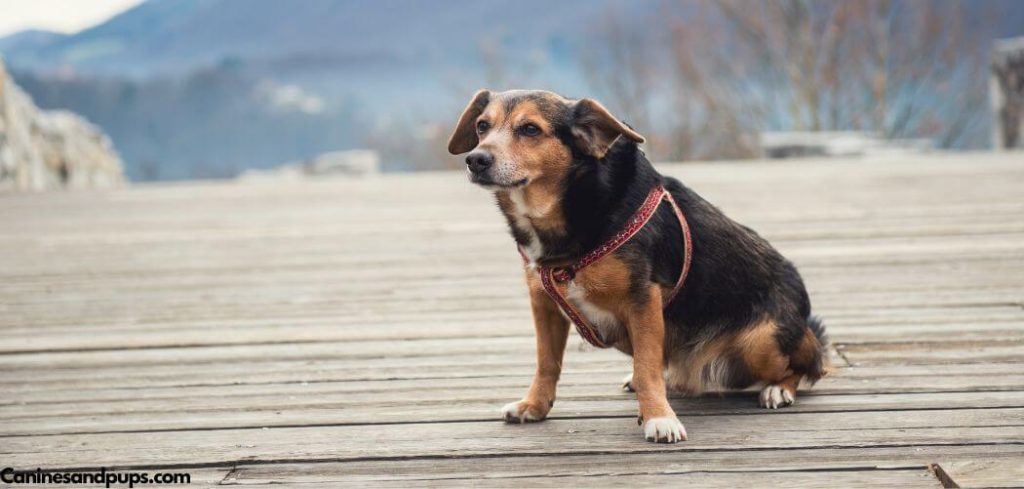
As dogs age, their bodies undergo significant changes. Muscles lose tone, nerves may not signal as efficiently, digestion slows or becomes irregular, and chronic diseases become more common.
Bowel control depends on proper coordination between the intestines, rectal muscles, anal sphincter strength, and neurological signals. When any part of that system weakens, accidents can occur — sometimes without the dog realizing it.
Unlike a young dog who might have an accident due to poor training, an older dog typically experiences poop accidents because something in their body is not functioning as it once did.
Old Dog Poop Accidents: Signs
If your old dog is having poop accidents, you may notice:
- Accidents occurring indoors, even after being house-trained
- Pooping during sleep or while resting
- Increased frequency of bowel movements
- Loose stool or diarrhea
- Straining or difficulty passing stool
- Lack of awareness after an accident
- Signs of confusion or disorientation
- Difficulty walking or getting outside
Old Dog Poop Accidents: Common Causes
Age-Related Muscle Weakness
One of the most common reasons for old dog poop accidents is weakening of the anal sphincter muscles. As dogs age, muscle tone naturally declines. The muscles responsible for holding stool in place may not contract as tightly as they once did.
This can lead to small amounts of stool leaking out while your dog is sleeping, walking, or resting. In some cases, dogs are unaware that it has happened.
The stool may be well-formed, which helps distinguish muscle weakness from diarrhea-related accidents.
Because this change happens gradually, pet owners may first notice small smears or isolated incidents before accidents become more frequent.
Read more: Old Dog Incontinence (What it could mean)
Gastrointestinal Disease
Chronic digestive conditions are a major contributor to old dog poop accidents. Disorders such as inflammatory bowel disease, chronic colitis, or malabsorption syndromes can cause urgency and frequent bowel movements.
When the colon becomes inflamed, it loses its ability to regulate stool consistency and timing effectively. Your dog may feel a sudden, intense need to defecate and may not reach the door in time.
Unlike muscle weakness, gastrointestinal disease often results in loose stool, mucus, or occasional blood.
You may also notice changes in appetite, weight loss, or increased gas. Persistent digestive upset requires veterinary evaluation to prevent dehydration and nutrient deficiencies.
Cognitive Dysfunction Syndrome
Cognitive dysfunction in senior dogs is similar to dementia in humans. As brain function declines, dogs may forget established house-training habits.
An old dog with cognitive decline may appear confused about where to eliminate. They might pace, wander aimlessly, or defecate in inappropriate places without signaling.
In some cases, the issue is not muscle control but rather an inability to remember routines or interpret bodily signals correctly.
Cognitive dysfunction often presents with additional symptoms such as nighttime restlessness, altered sleep patterns, or decreased responsiveness.
Movement Problems And Arthritis
Arthritis and joint pain are extremely common in aging dogs. If your dog struggles to stand up quickly, walk to the door, or navigate stairs, they may not be able to reach their usual bathroom area in time.
Even if bowel control remains intact, pain and stiffness can delay movement. This delay may result in accidents indoors.
You might notice hesitation before getting up, stiffness after resting, or difficulty climbing steps. Addressing mobility pain often reduces accident frequency significantly.
Parasites
Although parasites are more common in younger dogs, seniors can still develop intestinal parasites. Whipworms, hookworms, and other parasites irritate the intestinal lining and can cause diarrhea or urgency.
Older dogs with weakened immune systems may be more susceptible to parasitic infections.
Stool testing is necessary to confirm the presence of parasites, as they are not always visible in the feces.
Dietary Changes
Sudden changes in diet can disrupt gut bacteria and stool consistency. Even switching to a higher-fat or richer food may cause loose stools or urgency.
In some cases, aging dogs develop food sensitivities that they previously tolerated well. Chronic irritation can lead to unpredictable bowel movements.
If accidents began after a food change, a dietary evaluation should be considered.
Chronic Organ Disease
Kidney disease, liver disease, or pancreatic disorders can indirectly affect bowel control. Toxin buildup or digestive enzyme deficiencies may alter stool consistency or frequency.
Senior dogs with chronic disease often exhibit additional symptoms such as increased thirst, weight loss, lethargy, or appetite changes.
Because organ disease progresses gradually, bowel accidents may be one of the earliest noticeable signs.
Neurological Issues
The nerves that control bowel movements originate in the spinal cord. Degenerative disc disease, spinal arthritis, or nerve damage can interfere with proper signaling.
When nerve communication weakens, a dog may not sense rectal fullness until it is too late. Neurological involvement often presents alongside hind leg weakness or coordination issues.
Read more: Old Dog Persistent Diarrhea (When to worry and what to do)
When Old Dog Poop Accidents Are A Concern
Occasional isolated accidents may not signal serious illness. However, frequent or worsening accidents require evaluation.
Concerning signs include persistent diarrhea, blood in stool, sudden behavior changes, weight loss, vomiting, or signs of pain.
If accidents occur alongside confusion or nighttime restlessness, cognitive decline may be contributing.
Old Dog Poop Accidents: Treatment
Treatment for poop accidents in an old dog depends on the underlying cause.
For digestive issues, your vet may recommend dietary adjustments, probiotics, or medications to firm up stool and improve gut health.
If incontinence is the issue, medications or supplements may help strengthen muscle control or regulate bowel movements.
Cognitive dysfunction can be managed with medications, dietary support, and environmental changes to improve quality of life.
Mobility problems may require pain management, joint supplements, or physical therapy to help your dog move more comfortably.
If an underlying medical condition is identified, targeted treatment will be necessary to address the root cause.
Practical Ways To Manage Accidents At Home
While addressing medical causes is essential, practical adjustments can make life easier. More frequent potty breaks reduce the risk of urgency-related accidents.
Providing easy access to outdoor areas or using ramps instead of stairs can help dogs with mobility issues.
Maintaining a consistent feeding schedule encourages predictable bowel movements.
Key Takeaway
Poop accidents by an old dog are rarely about behavior or stubbornness. More often, they reflect age-related muscle changes, digestive disorders, cognitive decline, or chronic illness.
The most important step is not punishment, but investigation. If your senior dog begins having accidents indoors, schedule a veterinary visit to determine the cause.
With proper diagnosis and supportive care, many underlying issues can be managed effectively, helping your loyal companion remain comfortable and dignified throughout their golden years.


