
Persistent diarrhea in an old dog is more than just a messy inconvenience — it can be a sign of a deeper health issue. While occasional loose stools may happen due to diet changes or mild stress, diarrhea that continues for several days or keeps returning is a red flag, especially in senior dogs.
In this guide, we break down the most common causes of old dog persistent diarrhea, how to recognize serious warning signs, and when it’s time to seek veterinary care.
Table of Contents
Old Dog Persistent Diarrhea: Why It Happens
Persistent diarrhea in an old dog is usually caused by chronic digestive disease, organ dysfunction, infection, or systemic illness rather than a simple dietary issue.
As dogs age, their digestive system becomes more sensitive, their immune response weakens, and their ability to recover from irritation slows down.
This means that what might have been a short-lived issue in a younger dog can become prolonged and more serious in a senior dog.
Ongoing diarrhea also prevents proper nutrient absorption, which can lead to weight loss and worsening overall health if not addressed.
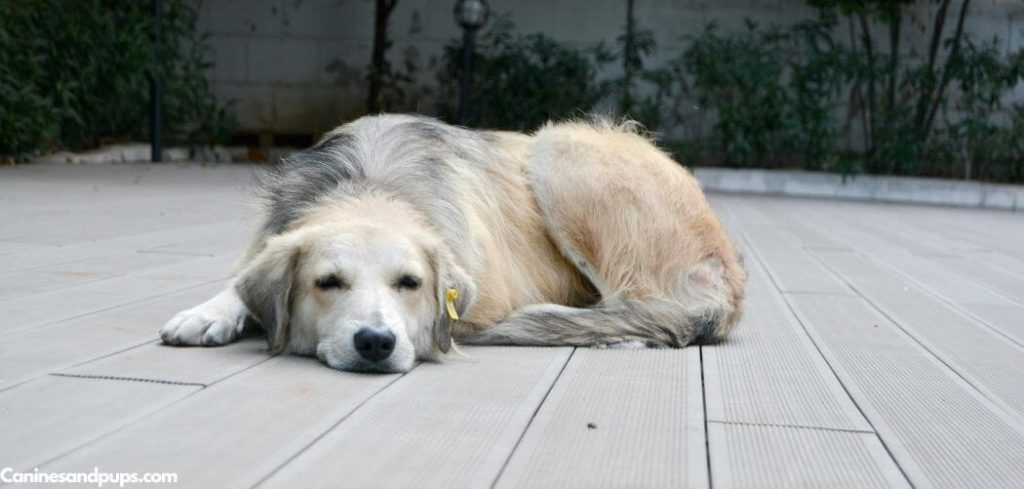
Why Persistent Diarrhea In An Old Dog Is More Concerning
As dogs age, their bodies become less resilient. The digestive tract may not function as efficiently as it once did, the immune system weakens, and chronic diseases become more common.
A young dog might bounce back quickly from a brief stomach upset. A senior dog, however, can deteriorate quickly if diarrhea persists.
Ongoing diarrhea can lead to dehydration, electrolyte imbalances, weight loss, and malnutrition. In older dogs, these complications can escalate rapidly and affect other organs such as the kidneys and heart.
Additionally, persistent diarrhea in a senior dog is more likely to signal a chronic or systemic issue rather than a simple dietary indiscretion. That’s why understanding the possible causes is so important.
Old Dog Persistent Diarrhea: Symptoms
Persistent diarrhea often comes with other signs that indicate how serious the condition may be.
Loose, watery, or frequent stool lasting more than 2–3 days
Mucus or blood in stool
Increased urgency or accidents in the house
Straining or discomfort when defecating
Weight loss over time
Lethargy or weakness
Reduced appetite or picky eating
Dehydration (dry gums, sunken eyes)
Gas, bloating, or abdominal discomfort
Old Dog Persistent Diarrhea: Common Causes
Chronic Gastrointestinal Disease
One of the most common causes of long-term diarrhea in older dogs is chronic inflammation of the digestive tract.
In conditions like inflammatory bowel disease (IBD), the lining of the intestines becomes irritated and unable to properly absorb nutrients. This leads to ongoing diarrhea, often accompanied by weight loss and fluctuating appetite.
The inflammation can wax and wane, meaning symptoms may improve temporarily before returning. Over time, untreated IBD can significantly impact your dog’s overall health and energy levels.
Read more: Old Dog Sickness and Diarrhea (What it could mean)
Food Intolerance
Older dogs can suddenly develop sensitivities to foods they have eaten for years.
The digestive system becomes less adaptable with age, and certain ingredients—such as proteins, fats, or additives—can trigger chronic irritation.
Unlike a one-time upset, food intolerance leads to repeated episodes of diarrhea, often without other obvious illness. Identifying and adjusting the diet is key in these cases.
Pancreatic Insufficiency or Digestive Enzyme Issues
The pancreas plays a crucial role in producing enzymes needed for digestion.
If enzyme production decreases, food is not properly broken down or absorbed, leading to diarrhea and weight loss despite normal or increased appetite.
This condition can be subtle at first but becomes more noticeable as nutrient deficiencies develop.
Chronic Infections
Although parasites are less common in older dogs, they can still occur—especially if your dog has a weakened immune system.
Bacterial infections can also lead to prolonged diarrhea if not properly treated.
In these cases, diarrhea may persist despite normal feeding, and stool may contain mucus or have a strong odor.
Liver Disease
The liver is essential for processing nutrients and removing toxins.
When liver function declines, digestion and metabolism are affected, which can result in chronic diarrhea.
Dogs with liver disease may also show signs such as appetite changes and behavioral changes due to toxin buildup.
Kidney Disease
Kidney disease can indirectly cause diarrhea by affecting overall metabolism and toxin levels in the body.
As waste products build up, they can irritate the digestive system, leading to nausea and loose stool.
This condition often occurs alongside increased thirst, urination, and lethargy.
Intestinal Tumors or cancer
Cancer affecting the digestive tract can cause persistent diarrhea, especially in older dogs.
Tumors can interfere with normal digestion, nutrient absorption, and bowel function.
Symptoms often include weight loss, decreased appetite, and gradual worsening of diarrhea over time.
Medication Side Effects
Certain medications, especially long-term treatments, can irritate the digestive system.
Antibiotics, anti-inflammatory drugs, or other medications may disrupt the balance of gut bacteria, leading to chronic diarrhea.
If symptoms began after starting medication, this should be considered.
Stress
Although less common as a sole cause in older dogs, stress can still contribute to ongoing digestive upset.
Changes in routine, environment, or household dynamics can affect gut function, especially in sensitive dogs.
However, persistent diarrhea usually has a medical component rather than being purely behavioral.
Read more: Old Dog Diarrhea and Blood (Causes and Treatment)
Old Dog Persistent Diarrhea: What to Do
Start by monitoring how long the diarrhea has been occurring and whether it is improving or worsening.
Keep your dog hydrated at all times. Dehydration is one of the biggest risks with ongoing diarrhea.
Feed a simple, easily digestible diet (such as bland food) temporarily to reduce strain on the digestive system.
Avoid giving treats, table scraps, or sudden diet changes.
Observe stool characteristics—color, consistency, presence of blood or mucus—as these details are important for diagnosis.
Do not rely on home remedies for prolonged diarrhea, as the underlying cause often requires medical treatment.
When to Call or Visit Your Vet
Persistent diarrhea in an old dog should always be evaluated by a veterinarian.
Contact your vet if diarrhea lasts more than 48 hours or keeps recurring.
Seek immediate care if there is blood in the stool, severe lethargy, vomiting, or signs of dehydration.
If your dog is losing weight, refusing food, or becoming weaker, urgent evaluation is necessary.
In senior dogs, delays in treatment can lead to rapid decline.
Old Dog Persistent Diarrhea: Treatment
Veterinary treatment focuses on identifying the underlying cause and stabilizing your dog.
Your vet may perform stool tests, blood work, imaging, or specialized gastrointestinal testing.
Treatment may include medications to reduce inflammation, antibiotics for infection, or dietary management with prescription food.
In chronic conditions like IBD or organ disease, long-term management plans are often required.
Fluid therapy may be necessary if dehydration is present, especially in more severe cases.
Key Takeaway
Old dog persistent diarrhea is not a minor issue—it is often a sign of chronic disease or underlying health problems.
Because it affects hydration, nutrition, and overall health, it should never be ignored.
Early diagnosis and proper treatment can significantly improve your dog’s comfort, prevent complications, and support a better quality of life.


