
When an old dog refuses to eat dog food, it can be worrying for owners trying to maintain nutrition and health.
Addressing the problem early is crucial to prevent weight loss, malnutrition, or dehydration.
We outline the common reasons why an old dog may not be eating dog food, what you can do, and when to seek veterinary help.
Old Dog Not Eating Dog Food — Why It Happens
An old dog not eating dog food often points to dental discomfort, gastrointestinal upset, or medical conditions. Common causes can include dental disease, arthritis affecting feeding posture, organ dysfunction, food preference changes, or mild illness.
Even if a dog seems otherwise alert, prolonged refusal to eat can result in nutritional deficiencies and decreased quality of life.
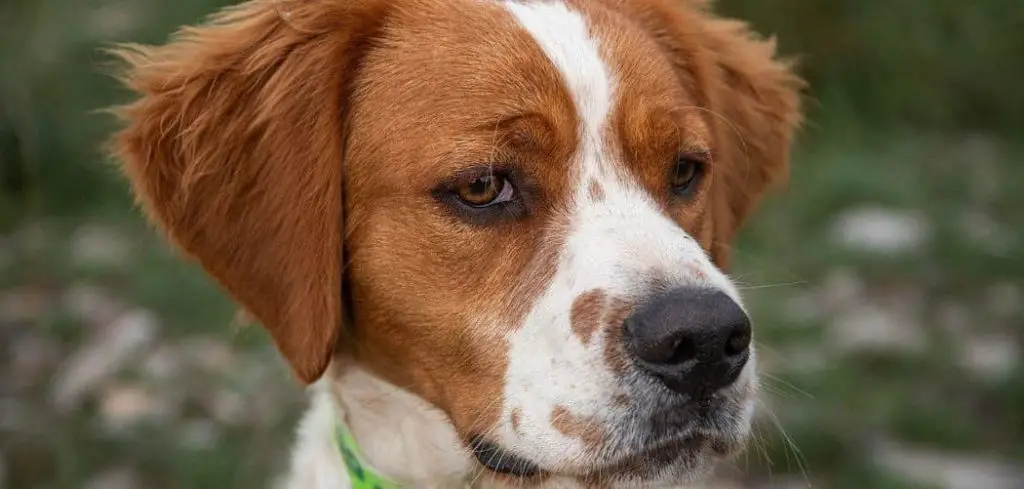
Old Dog Not Eating Dog Food: Common Causes
Dental Disease
Pain from tooth decay, gum disease, or oral infections can make chewing dry kibble difficult.
Dogs may drop food, chew slowly, or avoid meals entirely. Signs include bad breath, drooling, pawing at the mouth, or visible tartar. Veterinary dental care, including cleaning or extractions, can restore comfort and encourage eating.
Read more: Old Dog Not Eating Hard Food (Struggling with kibble? Learn why)
Digestive Upset
Upset stomach or mild gastrointestinal issues may reduce appetite for dog food.
Dogs may vomit, have soft stools, or show bloating. Offering bland, soft foods temporarily can ease discomfort and maintain nutrition while monitoring for persistent issues.
Arthritis or Pain
Pain in the neck, spine, or limbs can make reaching or bending to eat uncomfortable.
Dogs may hesitate to approach the food bowl or avoid kibble that requires effort to chew. Adjusting feeding height or using soft meals can improve intake. Veterinary evaluation for pain management may be required.
Food Preference Changes
Senior dogs may develop taste or smell sensitivities, leading to refusal of their usual food.
Dogs may accept soft, aromatic meals like wet food or homemade options. Observing food preferences and offering palatable alternatives can encourage eating while ensuring nutritional balance.
Organ Dysfunction
Kidney, liver, or pancreatic issues can reduce appetite and tolerance for certain foods.
Dogs may avoid dog food due to nausea or discomfort. Other signs include vomiting, lethargy, or weight loss. Early veterinary assessment helps manage organ disease while maintaining nutrition.
Mild Illness or Stress
Temporary illness, stress, or environmental changes can affect appetite.
Dogs may eat treats or other foods but reject their regular dog food. Maintaining routine, offering soft foods, and monitoring behavior can help identify whether medical attention is needed.
What to Do If Your Old Dog Is Not Eating Dog Food
Offer soft, palatable alternatives such as canned food, boiled chicken, or rice mixed with kibble.
Warm the food slightly to enhance aroma and appeal. Ensure food and water are easily accessible without requiring effort to reach.
Monitor weight, stool, and overall behavior. Document changes to provide your veterinarian with detailed information for diagnosis and treatment.
When to Call or Visit Your Vet
Contact your veterinarian promptly if your dog:
Refuses all meals for more than 24–48 hours
Shows vomiting, diarrhea, or weight loss
Exhibits pain, drooling, or pawing at the mouth
Appears lethargic, weak, or unwell
Veterinary evaluation is critical to diagnose dental disease, gastrointestinal issues, organ dysfunction, or other underlying conditions and to recommend appropriate treatment or dietary adjustments.
Read more: Old Dog Not Eating (Causes and what to do)
Key Takeaway
When an old dog is not eating dog food, it often indicates dental pain, digestive upset, or medical issues.
Home care includes offering soft, aromatic meals, ensuring easy access to food and water, and monitoring behavior and weight.
Persistent refusal of regular food requires veterinary evaluation to maintain nutrition, comfort, and overall health in your senior dog.