
When an old dog stops eating but still seems happy, alert, and playful, it can be confusing and deeply concerning for owners.
Even though your senior dog may look fine on the outside, appetite loss often signals internal changes that deserve attention.
Old Dog Not Eating but Acting Normal: Why It Happens
An old dog not eating but acting normal is usually caused by early-stage illness, dental pain, mild nausea, or age-related organ changes that reduce appetite without immediately affecting energy or behavior.
In the early stages of kidney disease, liver dysfunction, dental infections, or digestive inflammation, dogs often feel just well enough to stay active while food becomes less appealing or uncomfortable to eat.
Because senior dogs naturally hide pain and discomfort, they may continue acting normal even when something inside the body is beginning to go wrong.
This makes appetite changes one of the most important early warning signs in older dogs.
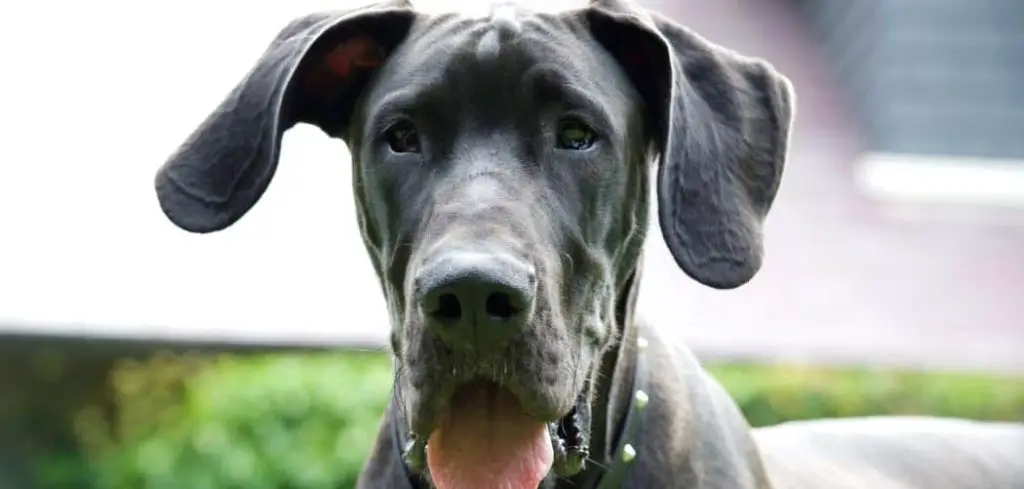
Old Dog Not Eating but Acting Normal: Common Causes
Dental Disease and Subtle Mouth Pain
Dental disease is one of the most common reasons an old dog may stop eating while still acting normal.
Over time, plaque and tartar build up beneath the gums, causing inflammation, infection, and gradual loosening of teeth.
In the early stages, this process may not change your dog’s energy or mood at all. Your dog may still greet you, go for walks, and seem cheerful, but chewing becomes uncomfortable. As a result, food is avoided even though everything else looks fine.
You may notice slower eating, dropping kibble, bad breath, or chewing on only one side. Because the pain increases gradually, many dogs simply adapt by eating less rather than showing obvious distress.
Read more: Old Dog Not Eating (What it means and what to do)
Early Kidney Disease
Kidney disease often begins quietly in old dogs, and appetite loss is frequently the first noticeable symptom.
When the kidneys start to struggle, waste products slowly accumulate in the bloodstream, leading to mild nausea and reduced interest in food.
At this stage, your dog may still act normal, drink water, and move around comfortably. However, food may smell unappealing or trigger queasiness, causing your dog to skip meals.
You may also see subtle changes like increased thirst, more frequent urination, or slight weight loss. Because early kidney disease can progress silently, appetite changes should never be ignored even when behavior seems unchanged.
Mild Gastrointestinal Upset
A sensitive stomach or low-grade inflammation in the digestive tract can make an old dog refuse food while still acting normal. Conditions like gastritis, food intolerance, or early inflammatory bowel disease can create ongoing nausea without severe pain.
Your dog may still want to play, go outside, and interact with you, but eating becomes uncomfortable. Smelling food may trigger queasiness, leading to hesitation or avoidance at mealtime.
You might notice lip licking, swallowing, gurgling sounds, or soft stools. These subtle signs often accompany appetite loss long before more obvious digestive symptoms appear.
Liver Changes in Aging Dogs
The liver has a large reserve capacity, so early liver disease may not cause obvious illness. However, even mild liver dysfunction can affect digestion and appetite.
As toxins begin to circulate in the bloodstream, your dog may feel mildly nauseous or fatigued when eating, even though they still behave normally throughout the day. This can lead to reduced interest in food without dramatic changes in activity.
You may notice darker urine, pale stools, or mild weight loss over time. Because liver disease can worsen quietly, appetite changes are often one of the earliest warning signs.
Low Grade Infections or Inflammation
An old dog may have a mild infection or inflammatory condition that suppresses appetite without affecting overall energy.
The immune system releases chemicals that reduce hunger, even if your dog still feels well enough to move, play, and interact.
This can happen with urinary tract infections, dental infections, or low-level inflammatory diseases. Your dog may act completely normal but consistently leave food in the bowl.
Subtle signs such as drinking more water, mild fever, or slight lethargy may appear later. Appetite loss is often the first clue that something is brewing internally.
Cancer in Early Stages
Some cancers begin very subtly in older dogs and may only cause appetite changes at first. Tumors can release inflammatory substances that affect hunger long before they cause visible illness.
Your dog may still act normal, maintain energy, and show interest in activities, but food becomes less appealing. Over time, weight loss and weakness may follow.
Because early cancer can be difficult to detect, appetite changes in a senior dog should always be taken seriously, even when behavior looks fine.
Related: Old Dog Not Eating for 3 Days (Why this is an emergency)
Old Dog Not Eating but Acting Normal: What to Do
If your old dog is not eating but acting normal, start by offering softer, more aromatic foods that are easier to chew and more tempting to smell. Warming meals slightly can help stimulate appetite.
Make sure fresh water is always available and keep track of how much your dog drinks and urinates, as changes can signal kidney or metabolic issues. Hydration supports nearly every organ system.
Watch your dog closely for subtle signs such as bad breath, drooling, weight loss, or changes in bathroom habits. These small details often provide important clues.
If appetite loss lasts more than a day or two, schedule a veterinary checkup. Early intervention can prevent small problems from becoming serious.
When to Call or Visit Your Vet
Call your veterinarian if your old dog refuses food for more than 24 to 48 hours, even if they seem otherwise normal. Senior dogs should not go long without eating.
Seek immediate care if appetite loss is paired with vomiting, diarrhea, weight loss, increased thirst, or changes in urination. These combinations often indicate internal disease.
Urgent evaluation is also needed if your dog becomes weak, confused, or develops yellowing of the eyes or gums. These are signs of organ dysfunction.
Related: Old Dog Not Eating and Throwing Up (Causes Explained)
Key Takeaway
An old dog not eating but acting normal can be misleading, but it is often the first sign that something inside the body is changing.
Dental disease, early organ dysfunction, digestive upset, infection, and even cancer can all reduce appetite long before other symptoms appear.
Paying attention to eating habits in your senior dog is one of the best ways to catch health problems early.
If your dog’s appetite changes, even when everything else seems fine, a veterinary visit can make all the difference in protecting their health and comfort.